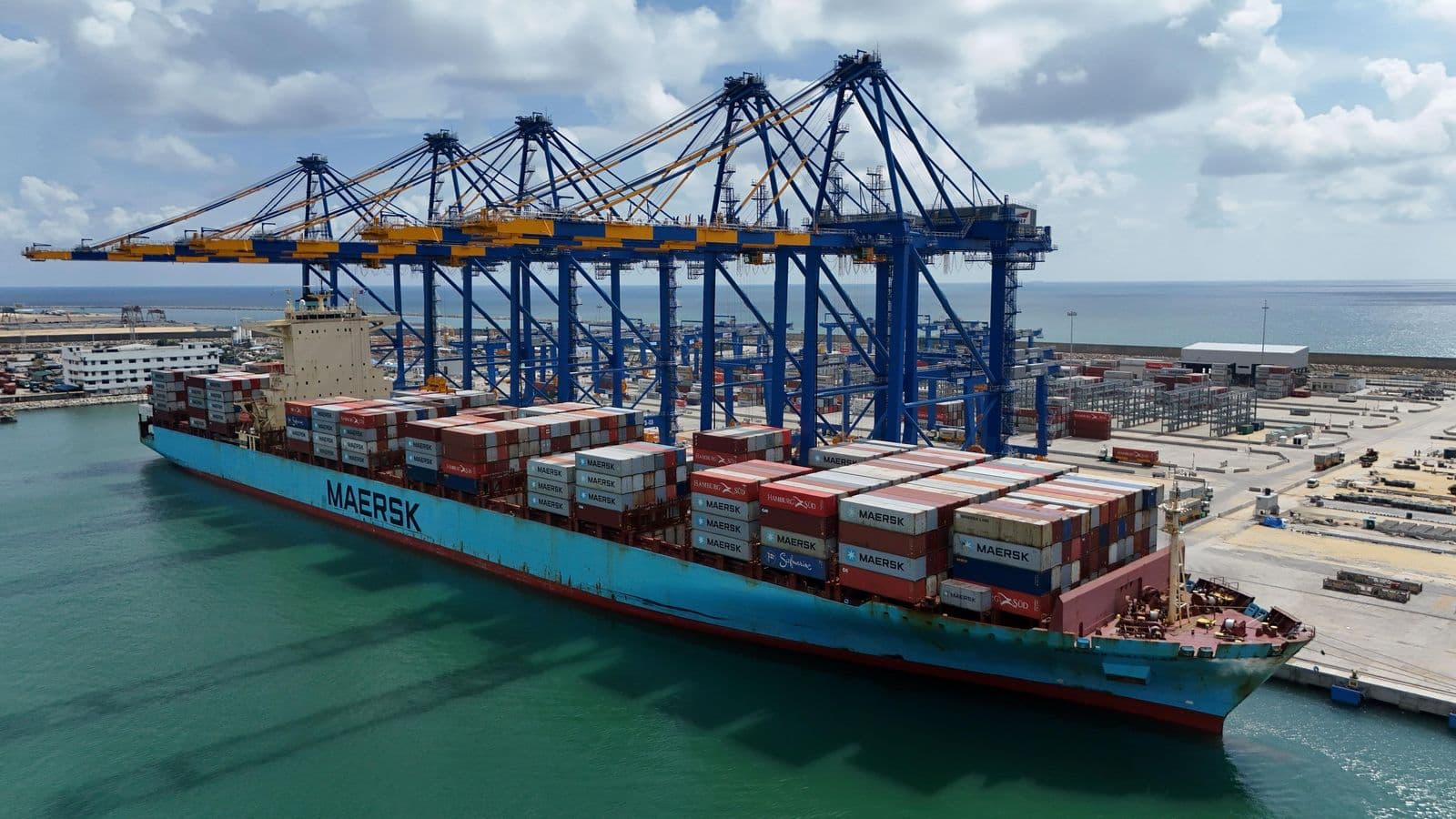
The Port of Colombo in Sri Lanka is currently grappling with considerable container yard congestion, which is severely hampering its operational efficiency. Industry sources indicate that this congestion is leading to significant delays in inter-terminal transfer activities, a crucial component of the port's extensive transshipment operations. The inability to move containers smoothly between terminals is creating bottlenecks and slowing down the entire logistics chain.
For freight forwarders and operations managers, this congestion at Colombo Port translates into potential delays for cargo moving through this key transshipment hub. Shippers may face extended transit times and increased uncertainty regarding their shipment schedules. Forwarders should anticipate possible rollovers, adjust their planning accordingly, and communicate proactively with clients about potential impacts on delivery timelines. This situation could also lead to additional costs related to demurrage or storage if containers are held up longer than expected.