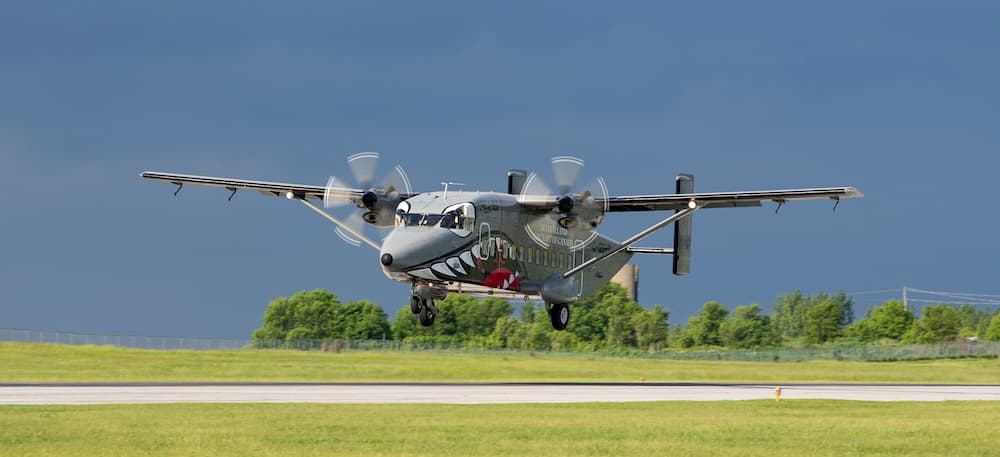
De Havilland Canada is strategically reintroducing the Sherpa aircraft, emphasizing its capabilities as a short take-off and landing (STOL) platform tailored for 'last-mile' cargo delivery. The company is not positioning it to compete with larger tactical transport planes but rather as a solution for operations in austere or short-runway environments. This makes the Sherpa particularly suitable for military deployments, humanitarian aid missions, and logistics in remote areas where conventional transportation networks are often constrained. The aircraft's inherent flexibility in handling diverse operational conditions is a core aspect of its market proposition.
For freight forwarders and operations managers, this development signals potential for enhanced access to challenging regions. The Sherpa's ability to operate from unprepared strips could open new routing possibilities for urgent or specialized cargo destined for remote locations, potentially reducing transit times and reliance on complex multimodal transfers. While not impacting mainstream air cargo rates or capacity directly, it offers a niche solution for project cargo or emergency relief efforts, providing greater operational resilience in difficult terrains.