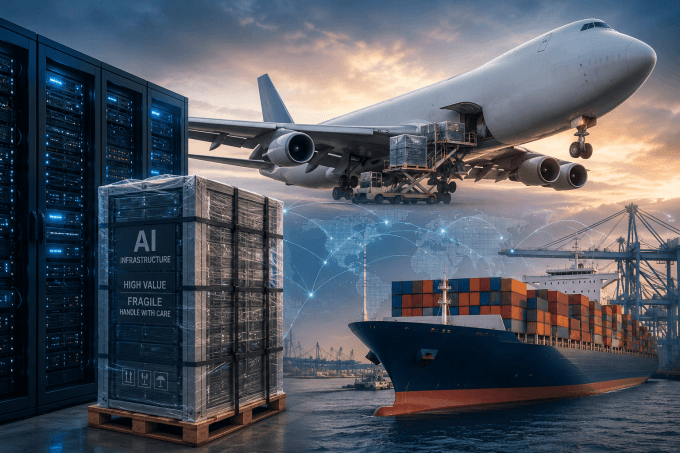
The burgeoning development of artificial intelligence infrastructure is profoundly impacting the logistics sector, establishing itself as a crucial new cargo segment. This trend is leading to significant alterations in freight patterns across diverse geographical areas and transportation methods. Prominent logistics companies, including DHL, Expeditors, and Matson, have all identified this shift as a key factor influencing contemporary supply chain dynamics.
This surge in AI-related infrastructure demand primarily involves the transport of specialized hardware, such as servers, GPUs, and cooling systems, essential for data centers and AI development facilities. These components often require expedited shipping, specialized handling, and secure transport, which can strain existing logistics networks.
For freight forwarders and operations managers, this development means adapting to new demands for high-value, time-sensitive cargo. It may necessitate re-evaluating optimal routing, securing dedicated capacity, and potentially investing in specialized handling equipment or warehousing solutions. The increased volume of such cargo could also lead to modal shifts, with a greater reliance on air freight for speed, or specialized road and rail services for secure, efficient inland distribution. This vertical presents both challenges in capacity management and opportunities for forwarders capable of offering tailored solutions.
Looking ahead, the continuous growth of AI is expected to further solidify its position as a dominant force in logistics, potentially leading to long-term changes in network design and operational strategies for carriers and forwarders alike.