34m ago·Container News
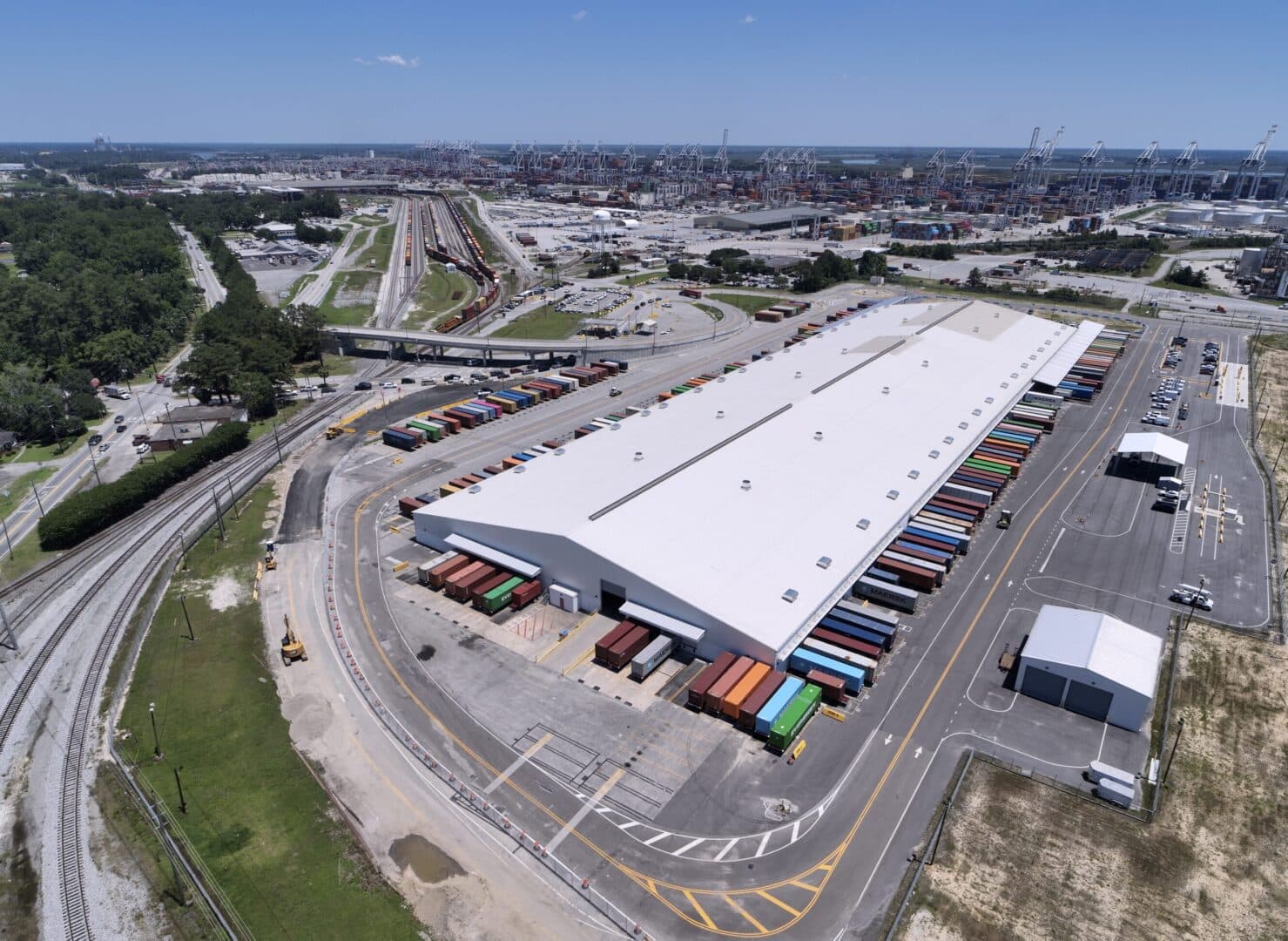
US Customs to Launch Chilled Cargo Inspection Facility at Port of Savannah
A new refrigerated inspection facility at the Port of Savannah will enhance cold chain integrity for perishable imports.
Maritime security risks in key chokepoints and sanctions evasion tactics dominate sea freight concerns, while container lines expand capacity. — No genuinely safe passage exists through the Strait of Hormuz; prioritize enhanced security for transiting vessels. · Russian paramilitary personnel on tankers complicate sanctions compliance and increase maritime security threats. · Maersk has increased its operational capacity to 4.7 million TEU, exceeding its internal cap due to strong demand and rising rates. · Misidentification of oil cargo origins (e.g., Russia vs. Iran) highlights ongoing challenges in supply chain transparency and sanctions enforcement.
A new refrigerated inspection facility at the Port of Savannah will enhance cold chain integrity for perishable imports.
IMO Secretary-General cautions that safe passage in the Strait of Hormuz is non-existent amid rising transits and conflict risks
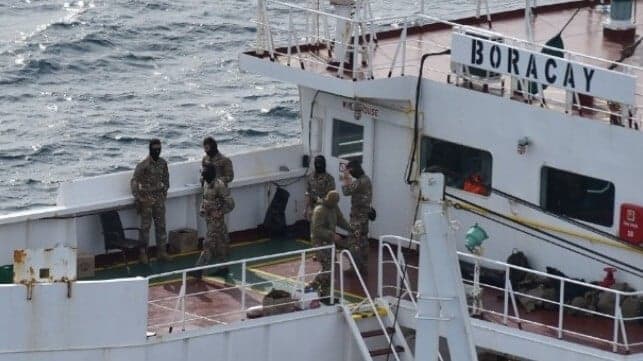
Undercover reporters have confirmed Russian paramilitary personnel on oil tankers, raising maritime security concerns.
IMO Secretary-General Arsenio Dominguez warns shipping industry about insecure transits through the Strait of Hormuz.
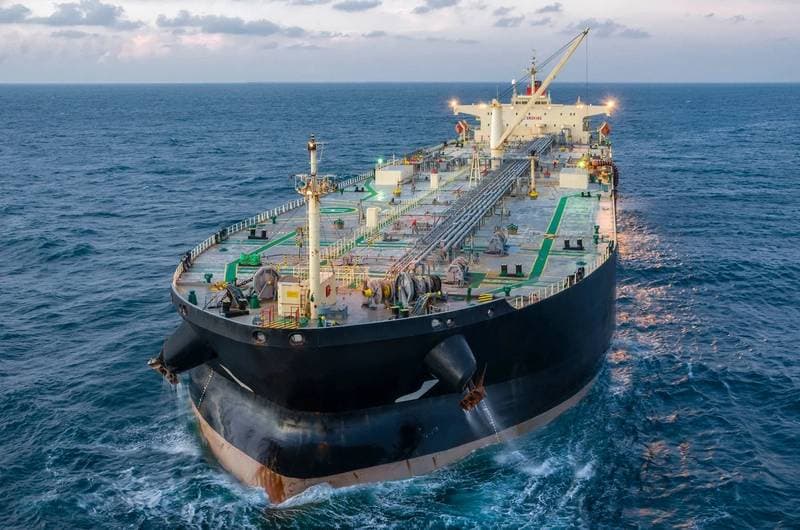
Kpler corrected its data, confirming an oil cargo delivered to the Philippines originated from Russia, not Iran.
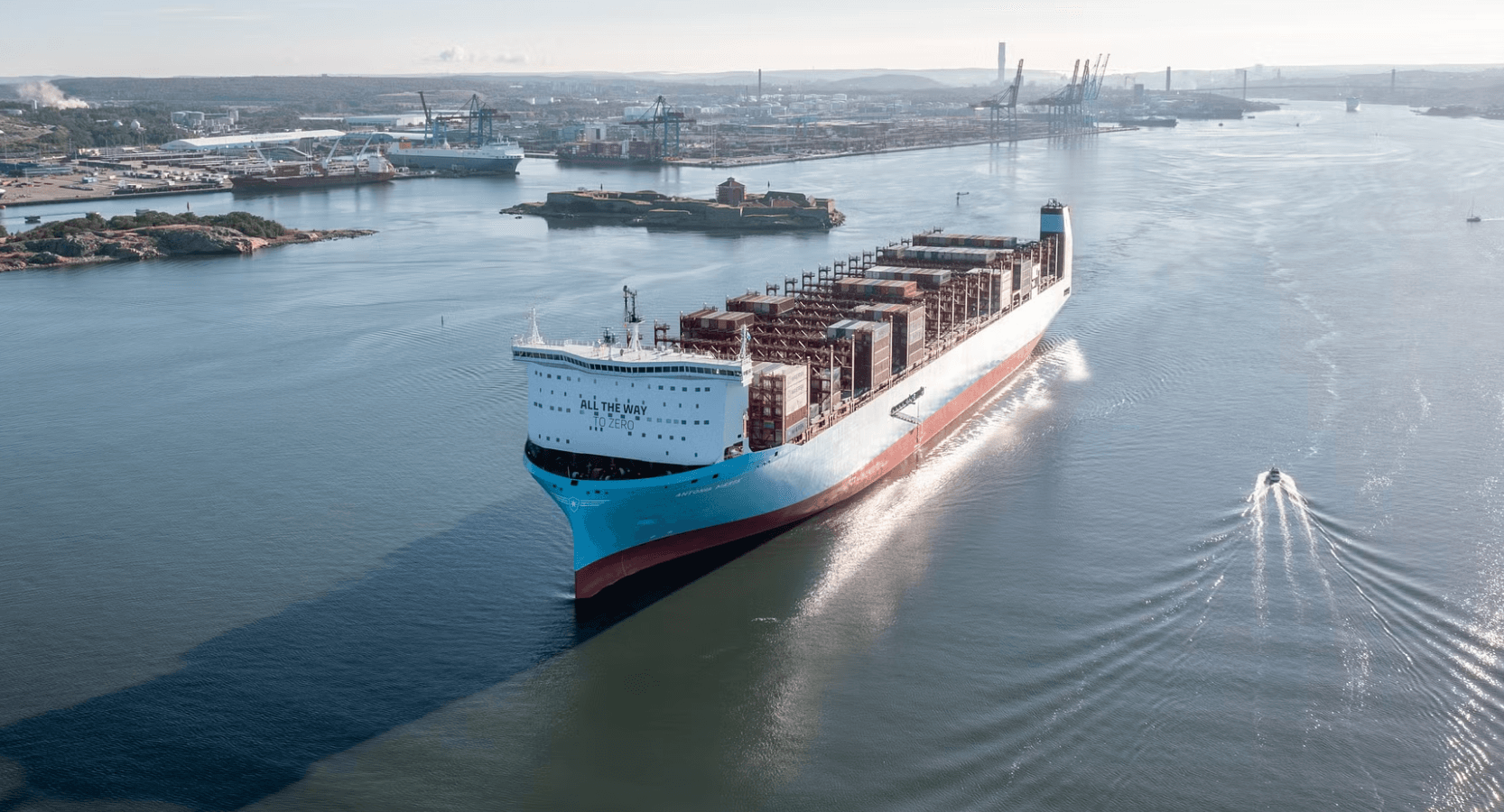
Maersk is exceeding its 4.3 million TEU capacity cap, now operating at 4.7 million TEU due to increased demand and vessel charters
Browse by mode or open the Intelligence Suite for cross-cutting briefs.