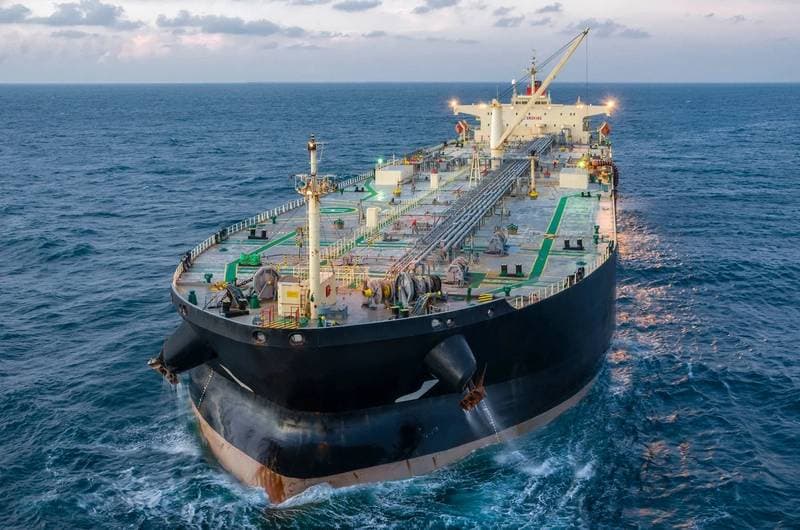
Shiptracking company Kpler has issued a correction regarding the origin of an oil cargo recently delivered to the Philippines. Previously, Kpler's data indicated that the Suezmax tanker *Ocean Start* transported crude oil from Iran. However, the firm now states that the cargo actually originated from Russia.
This correction underscores the challenges in accurately identifying the source of oil shipments, particularly in a global market where geopolitical factors and sanctions can influence trade routes and documentation. Misidentification can occur due to various reasons, including transshipments, blending, or intentional obfuscation.
For freight forwarders and supply chain analysts, such revisions are crucial for maintaining compliance and understanding true trade flows. Incorrect origin data can lead to significant issues, especially when dealing with sanctioned entities or regions. It emphasizes the need for robust verification processes and reliable data sources to avoid potential legal and reputational risks. Operations managers must be vigilant in confirming cargo details, especially for sensitive commodities like oil, to ensure adherence to international regulations and avoid unintended involvement in illicit trade practices.
Kpler's updated information aims to provide a more accurate picture of the global oil trade, reflecting ongoing efforts to enhance transparency in maritime shipping.