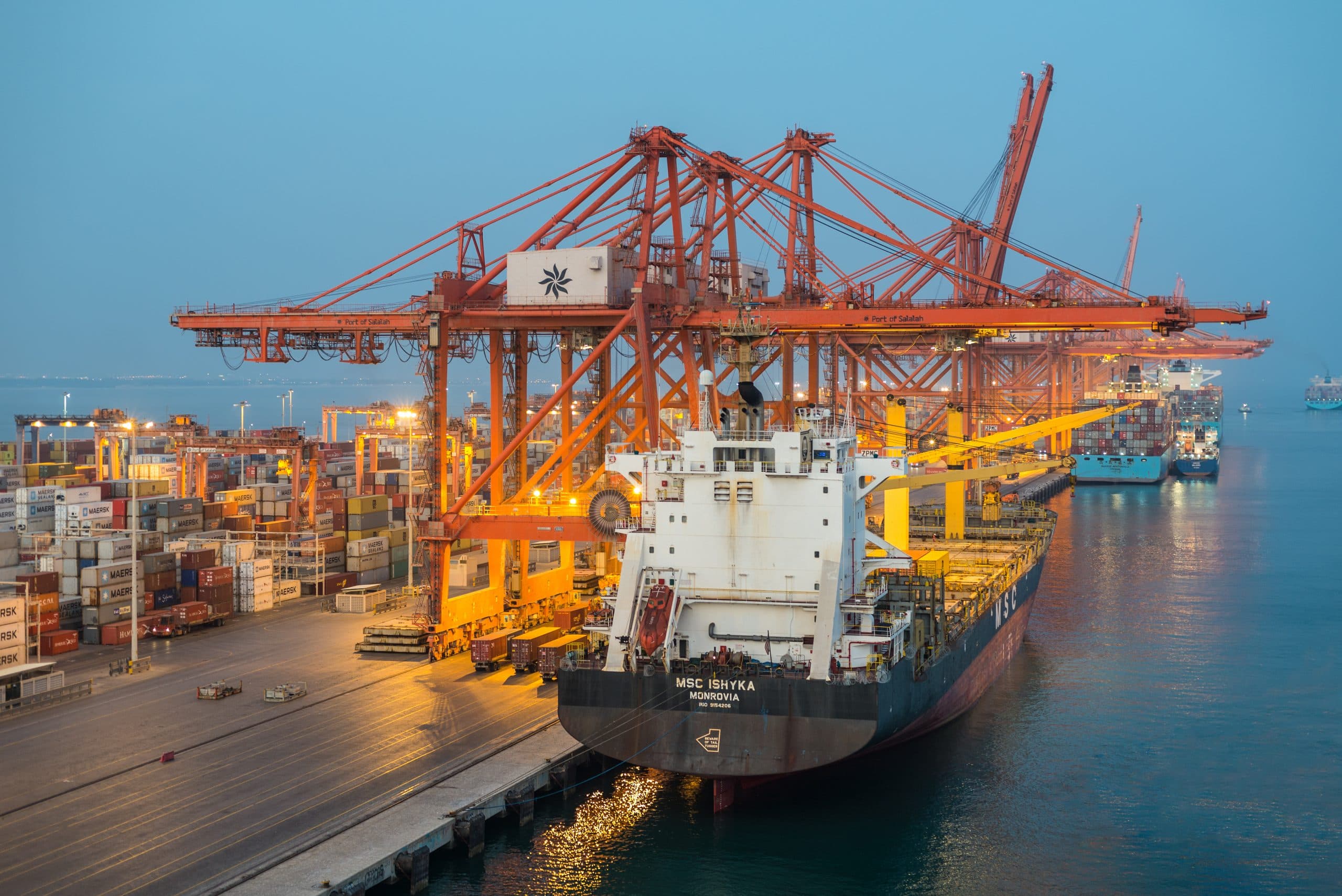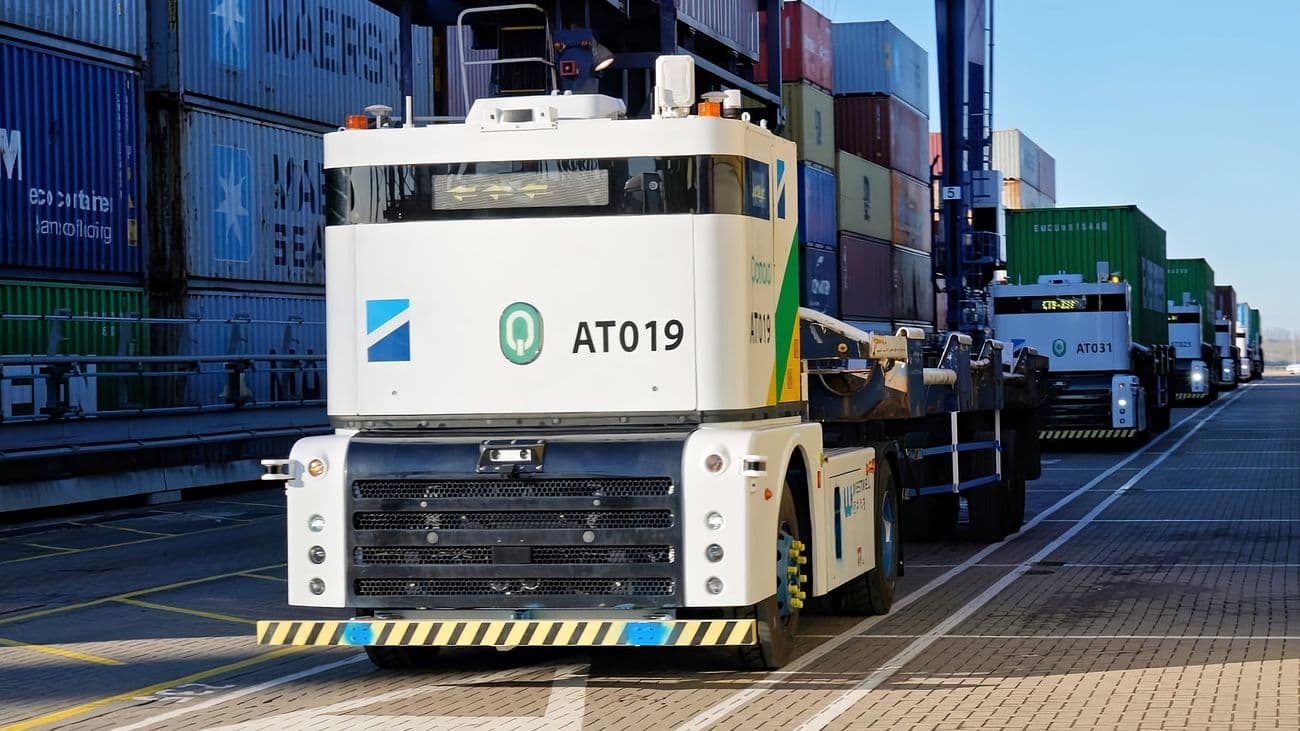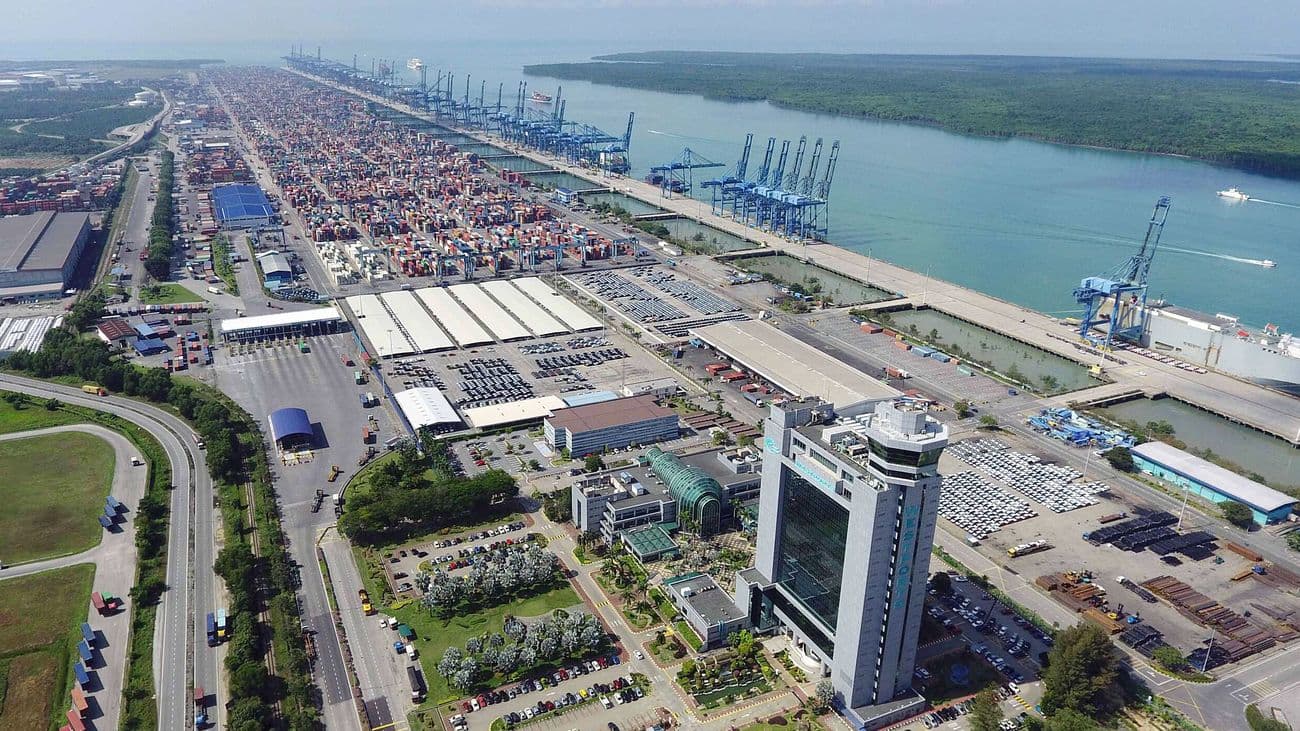
Westports Malaysia is currently navigating a challenging financial landscape, with fuel expenses escalating to become the second-highest operational cost. This increase in expenditure coincides with a notable decrease in container throughput during the second quarter of 2026. The reduction in volume is largely due to a drop in transhipment cargo, particularly that destined for ports in the Middle East.
For freight forwarders and operations managers, this situation at Westports Malaysia could imply several impacts. Reduced transhipment volumes might lead to adjustments in vessel schedules or capacity on certain routes, potentially affecting lead times and routing options for cargo moving through Southeast Asia to the Middle East. Increased operational costs for the port could also eventually translate into higher terminal handling charges or other fees, impacting overall freight costs for shippers and forwarders utilizing Westports.