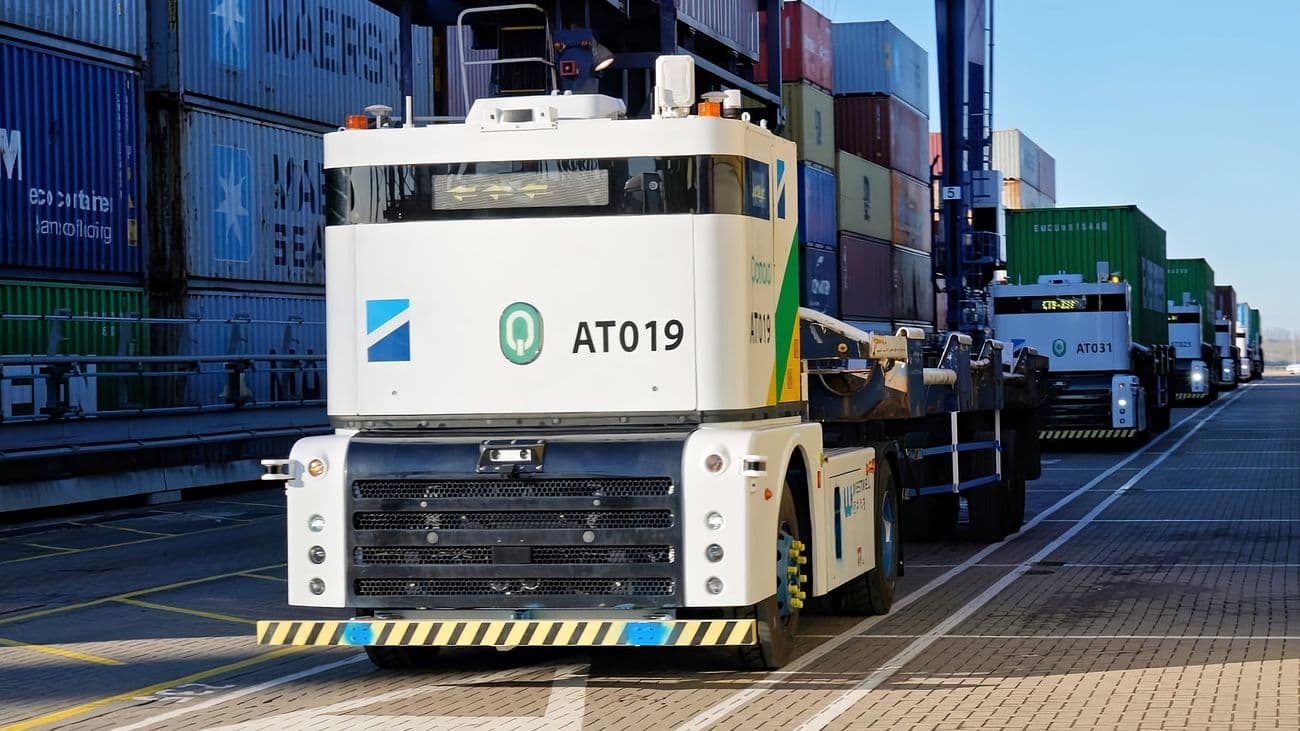
Autonomous Terminal Tractors (ATTs) are progressing past initial pilot programs and are now being implemented for regular operational use within port terminals. This shift signifies a maturation of the technology, moving from experimental stages to practical application in cargo handling.
For technology providers and terminal operators, the transition presents several integration challenges. A primary concern is the seamless incorporation of autonomous systems into existing fleets of vehicles, which may include both human-operated and automated equipment. Furthermore, ensuring that ATTs can operate safely and efficiently alongside other types of traffic, such as trucks, cranes, and personnel, is crucial for maintaining productivity and preventing disruptions.
For freight forwarders and operations managers, the deployment of ATTs could lead to increased terminal efficiency and potentially faster vessel turnarounds, reducing dwell times for containers. This might translate into more reliable schedules and potentially lower demurrage costs. However, initial deployment phases might also introduce new operational complexities or require adjustments in current processes, necessitating close monitoring of terminal performance during this transition.