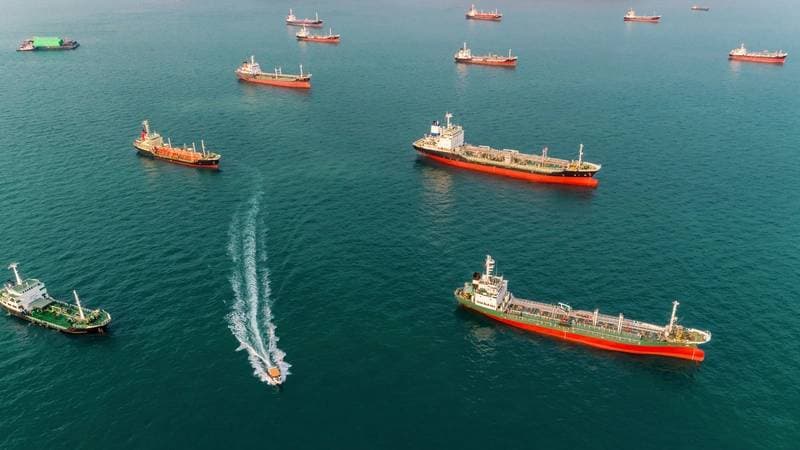
The United States Treasury Department recently announced a new round of sanctions against Iran, specifically targeting entities and vessels engaged in the illicit transport of Iranian crude oil, refined petroleum products, and petrochemicals. This action includes the designation of 17 vessels, along with various individuals and networks, as part of Washington's broader strategy to increase economic pressure on Tehran.
These sanctions aim to disrupt Iran's revenue streams from oil and petrochemical sales, which are crucial for its economy. The US has consistently used such measures to curb Iran's nuclear program and regional activities, viewing these exports as a direct financial enabler.
For freight forwarders and shippers, these sanctions mean increased vigilance is required when dealing with any vessel or entity that might have a connection to Iranian trade. The risk of secondary sanctions for facilitating transactions with designated parties is significant. Compliance departments will need to conduct thorough due diligence to avoid inadvertently engaging with sanctioned vessels or networks. This could lead to rerouting of cargo, delays, and potential financial penalties if not managed carefully. The availability of certain vessels for legitimate trade might also be indirectly affected as owners and operators become more cautious.
While the immediate impact on global freight rates is likely limited to specific niche markets, the broader implications for the 'shadow fleet' used by Iran could lead to higher costs for those willing to undertake such risky voyages, further isolating Iranian exports from mainstream shipping.