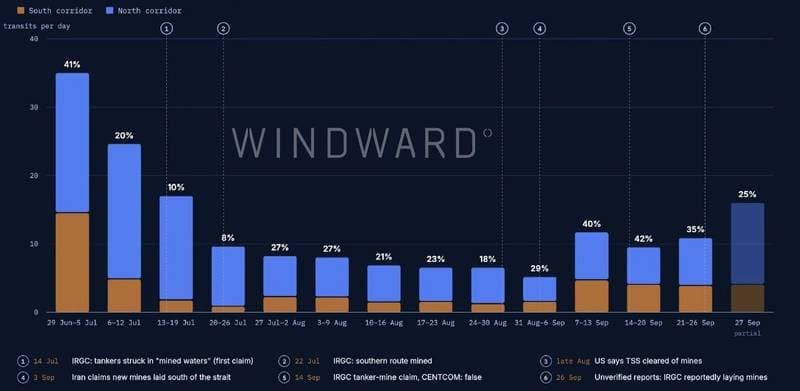
Container shipping lines are increasingly utilizing the Suez Canal, with a notable 59% surge in containership transits from March to September. This increase, from 139 to 221 vessels, signifies a substantial return to the shorter Asia-Europe trade route, moving away from longer diversions.
This trend is supported by maritime data, which indicates a transition from a period of capacity scarcity to one of surplus. As more vessels resume the Suez route, the overall available capacity in the global fleet increases, reducing transit times and improving vessel utilization.
For freight forwarders and shippers, this development has significant implications. The return to the Suez Canal is likely to ease capacity constraints, potentially leading to a downward pressure on ocean freight rates. Forwarders should monitor these rate fluctuations closely and adjust their pricing and routing strategies accordingly to leverage the increased efficiency and potential cost savings. This shift could also improve schedule reliability on key trade lanes.
While the article does not explicitly state future developments, the continued increase in Suez transits suggests a sustained effort by carriers to optimize routes and manage capacity, which will likely continue to influence market rates in the short to medium term.