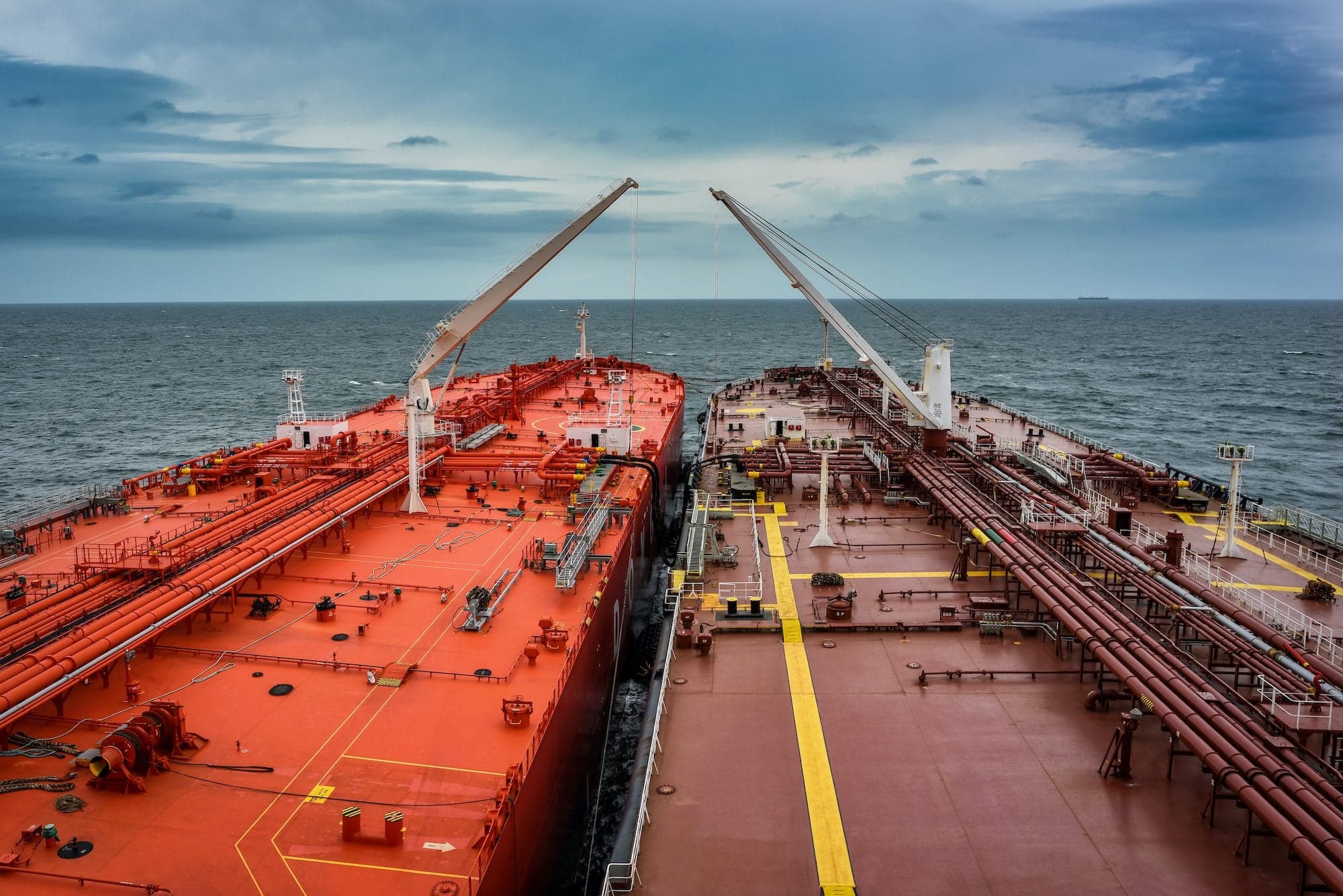
Oil producers in the Persian Gulf are increasingly shifting their critical crude oil transfer operations to areas more distant from the Strait of Hormuz. This relocation is a direct response to the growing congestion of tankers in the waters just outside the Strait, a vital chokepoint for global oil trade.
The move reflects ongoing concerns about regional security and the potential for disruptions in an area historically prone to geopolitical tensions. By moving these operations further offshore, producers aim to reduce exposure to risks associated with the crowded shipping lanes and the proximity to conflict zones.
For freight forwarders and shippers involved in oil and gas logistics, this development could lead to longer transit times for certain crude movements, potentially impacting vessel scheduling and operational costs. While the direct impact on container or general cargo rates is minimal, it underscores the persistent security challenges in key maritime trade arteries, which can indirectly affect overall shipping insurance premiums and routing decisions for all vessel types in the broader region.