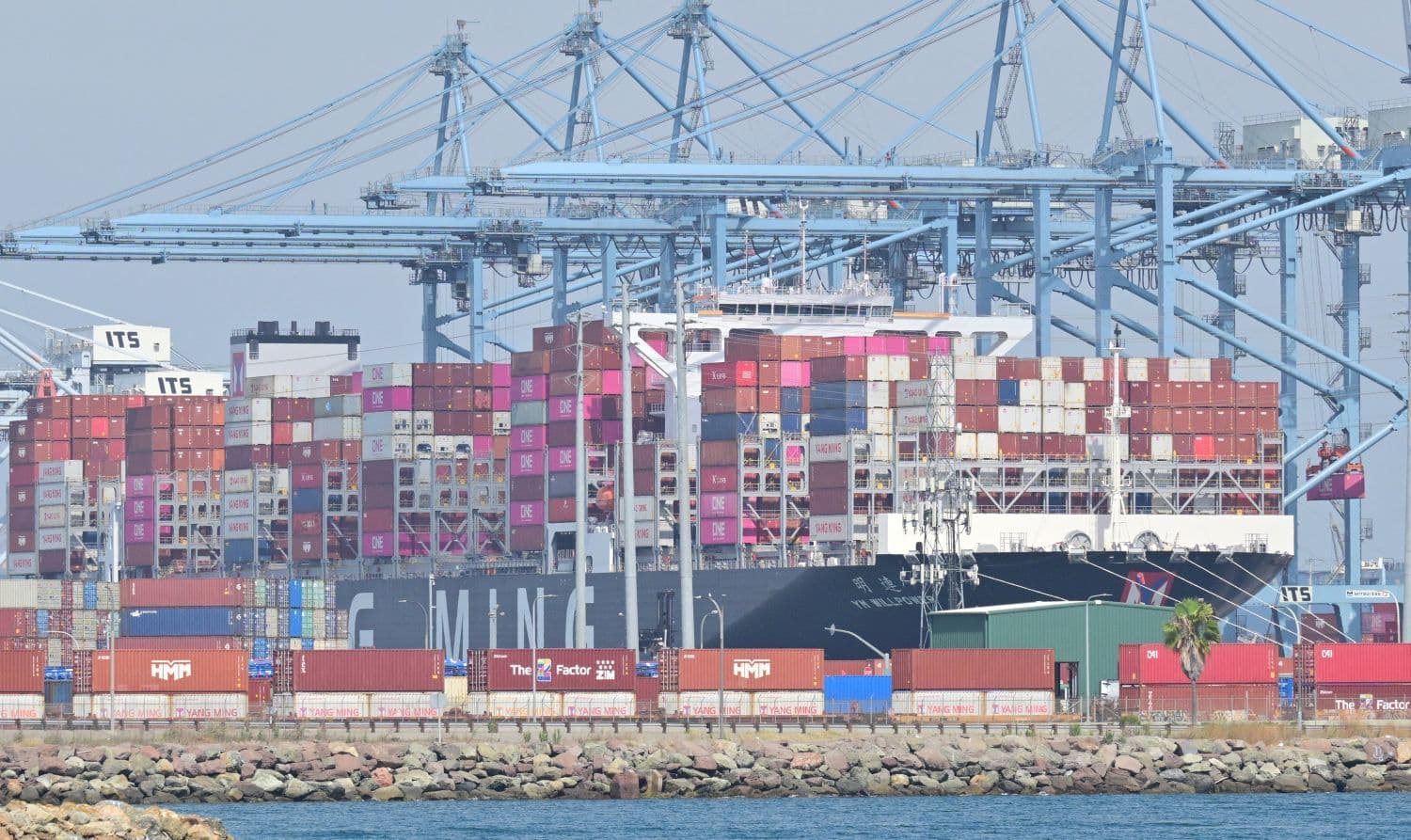
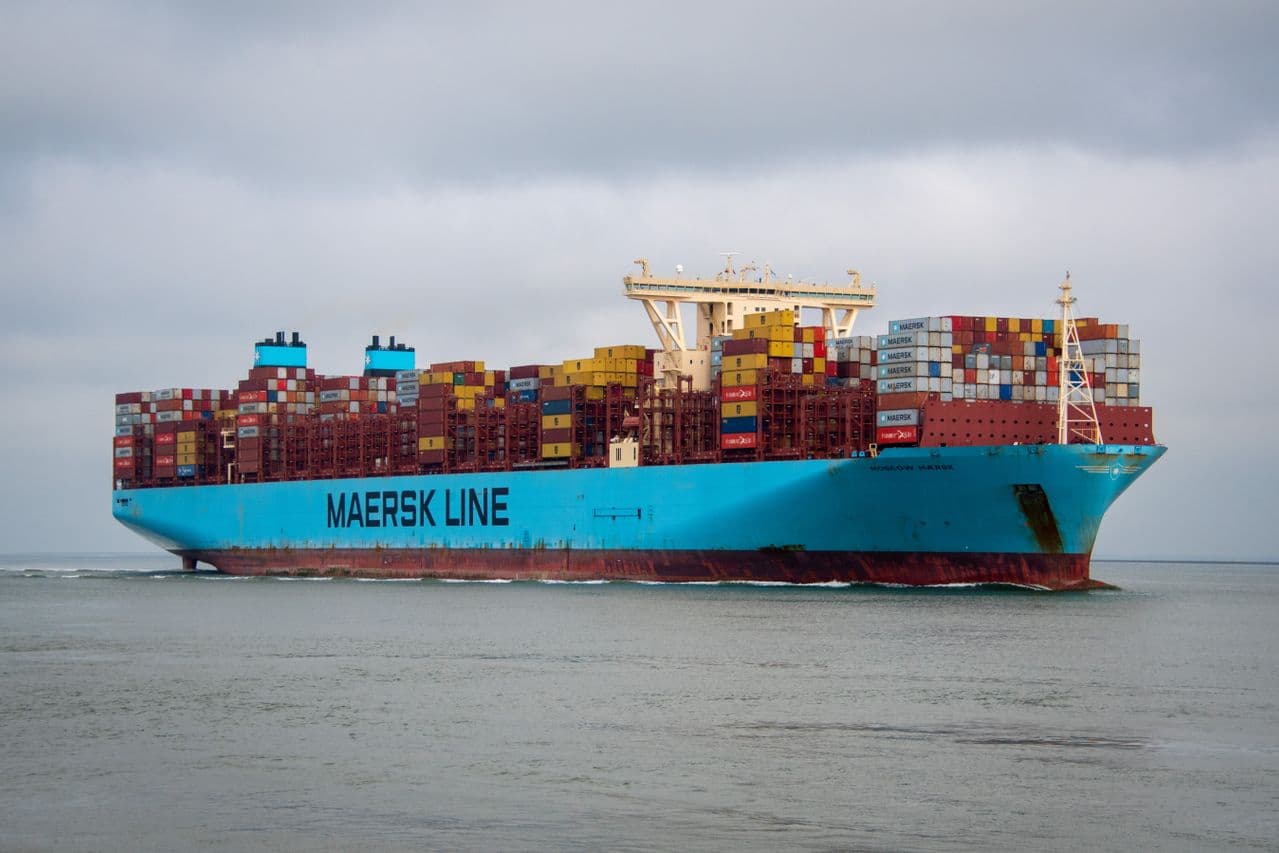
Small and medium-sized businesses (SMBs) are currently navigating a turbulent period marked by numerous supply chain disruptions that go beyond the impact of tariffs. This confluence of shifting variables has made inventory planning exceptionally difficult throughout the year.
For freight forwarders and operations managers, this situation means increased volatility and unpredictability in demand and lead times for their SMB clients. Forwarders should anticipate more urgent requests, potential changes in shipping volumes, and a greater need for flexible logistics solutions. Proactive communication with SMBs regarding market conditions and potential delays will be crucial to managing expectations and maintaining service levels. Capacity and rates may fluctuate more frequently due to these underlying pressures on SMB supply chains.