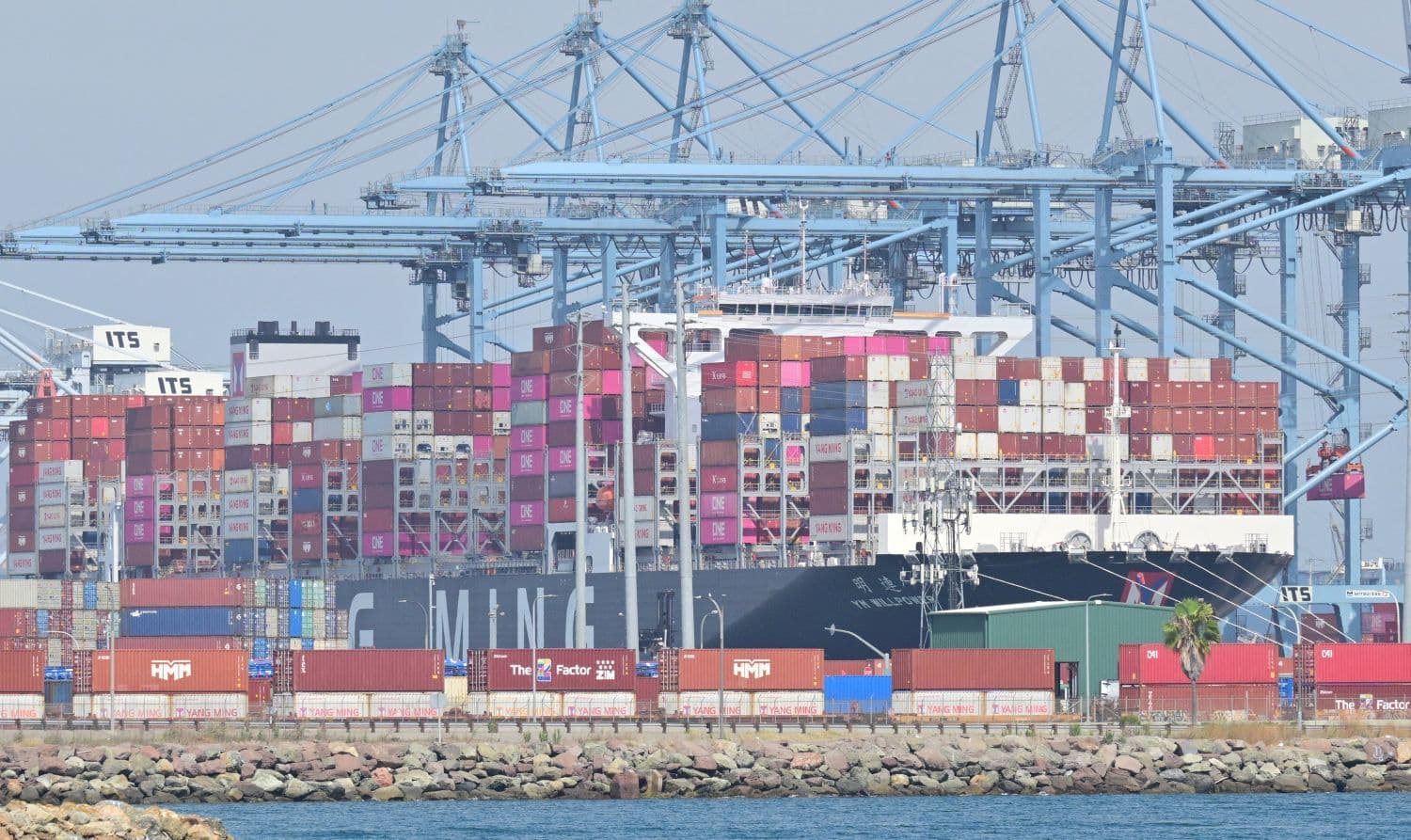
Container line executives report that substantial port congestion across Asia in September significantly diminished effective vessel capacity on the trans-Pacific trade route. This disruption has caused the peak shipping season, which began earlier than anticipated, to extend further into the year, potentially impacting October and beyond.
For freight forwarders and shippers, this development means continued challenges in securing space and managing transit times on trans-Pacific routes. The reduction in functional capacity due to vessel delays at Asian ports implies that carriers have fewer ships available to maintain regular schedules, potentially leading to rolled cargo or increased lead times. This sustained pressure on the supply chain could also influence freight rates, which may remain elevated as demand continues to outstrip available capacity. Operational managers should anticipate ongoing schedule disruptions and plan for potential delays in cargo delivery from Asia to North America.