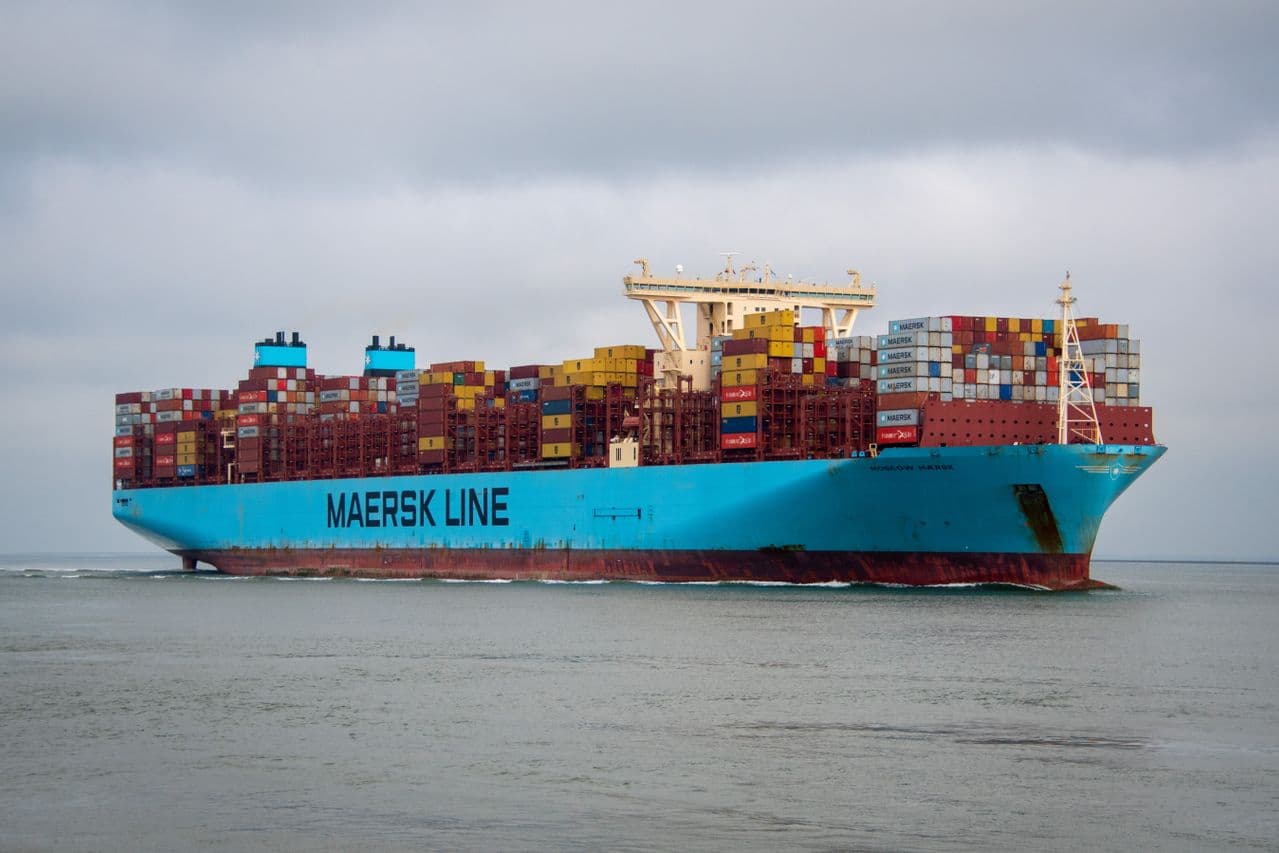
Maersk has recently seen the departure of its second partner on the Asia-East Coast South America (ECSA) trade lane in a three-month period. This change is primarily driven by the Ocean Alliance strengthening its internal partnerships, impacting the broader maritime alliance landscape. The realignment has resulted in a 4% decrease in available capacity on the Asia-ECSA route and modifications to established port calls.
For freight forwarders and shippers, this development signifies a tightening of capacity and potentially fewer alternative shipping options for cargo moving between Asia and the East Coast of South America. The reduced flexibility could lead to increased rates or longer transit times, necessitating careful planning and potentially exploring new carrier relationships or routing strategies. The shift also highlights the ongoing volatility and strategic adjustments within global container shipping alliances, which directly influence service offerings and market dynamics.
This situation underscores a broader trend where major carriers are re-evaluating their alliance structures and trade lane partnerships. Hapag-Lloyd, for instance, is reportedly diversifying its commitments across multiple alliances, indicating a strategic hedging approach in response to the evolving competitive environment. These ongoing realignments suggest that the current alliance map is fluid, and further changes could impact other trade lanes in the future.