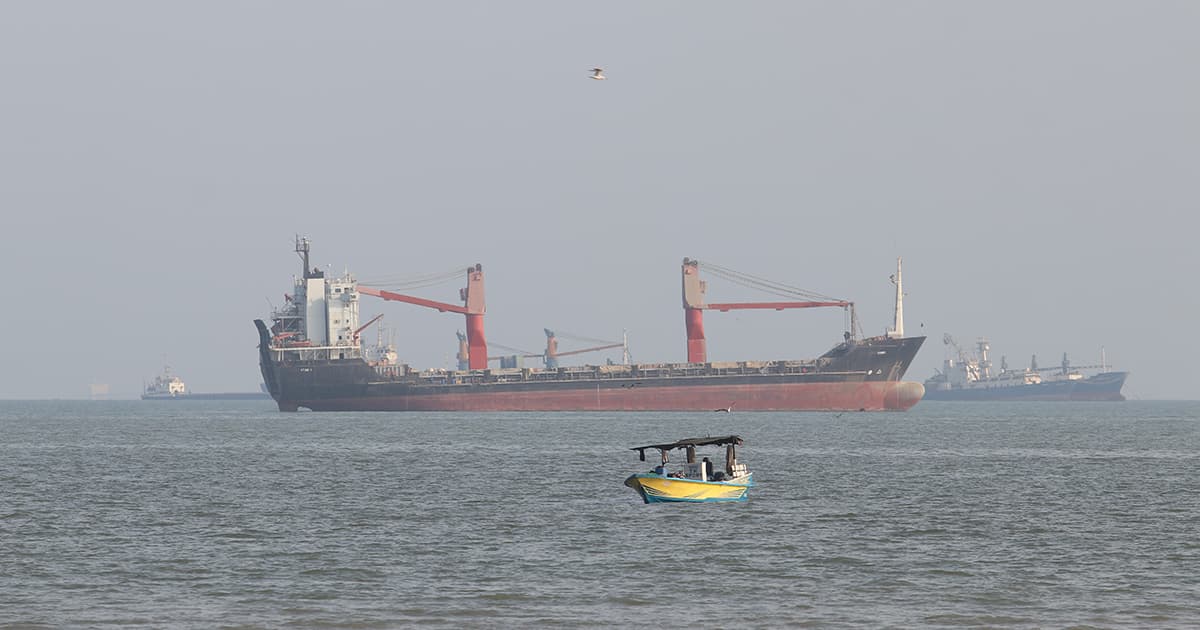
Brent crude oil prices experienced a significant increase, rising by 3.2% to reach $112.27 per barrel. This surge follows reports indicating that seven tankers sustained damage within the critical Strait of Hormuz. The incident has intensified anxieties regarding the stability of the region and its potential effects on the worldwide energy sector.
This latest development contributes to the recent volatility observed in oil prices, which have fluctuated between $97 and $112 per barrel. The ongoing geopolitical tensions in the Middle East, particularly concerning the conflict with Iran, continue to create uncertainty about when the global energy market might return to a more predictable state.
For freight forwarders and logistics professionals, this rise in oil prices directly translates to increased bunker fuel costs for maritime shipping. Higher fuel expenses will likely lead to elevated freight rates, impacting the overall cost of goods transported globally. Shippers should anticipate potential surcharges and factor these into their budgeting and supply chain planning. The instability in the Strait of Hormuz also introduces a heightened risk factor for vessel transit, potentially affecting insurance premiums and route choices, as carriers may seek alternative, longer routes to avoid the area, further impacting transit times and costs.