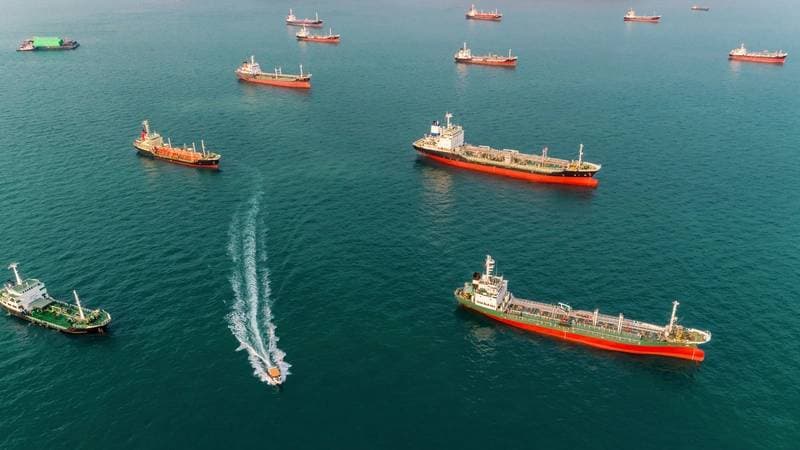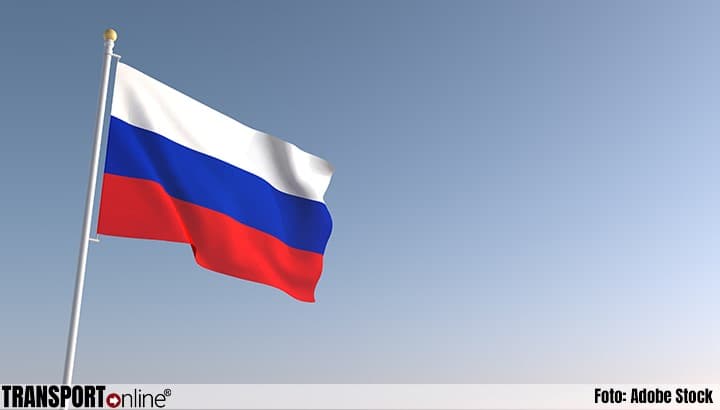
The Dutch cabinet has submitted a legislative proposal to the House of Representatives, aiming to grant authorities increased powers to act against vessels identified as part of the Russian 'shadow fleet'. This initiative specifically targets ships that operate without a legitimate flag or under a deceptive flag. Should the proposed legal amendments be approved, Dutch authorities would gain the ability to detain these vessels within Dutch territorial waters.
This move is intended to bolster maritime security and ensure compliance with international sanctions against Russia. The presence of such vessels raises concerns regarding environmental standards, safety regulations, and the circumvention of economic restrictions.
For freight forwarders and logistics professionals, this development signifies a potential increase in scrutiny for vessels with ambiguous flagging or ownership histories, particularly those linked to Russian interests. While the immediate impact on mainstream commercial shipping is expected to be limited, forwarders should exercise heightened due diligence when selecting carriers or chartering vessels, especially if there's any perceived connection to the 'shadow fleet'. The risk of delays or cargo detention could increase if a vessel is flagged for non-compliance in Dutch waters. This could lead to disruptions in transit times and potential additional costs for rerouting or transshipment.