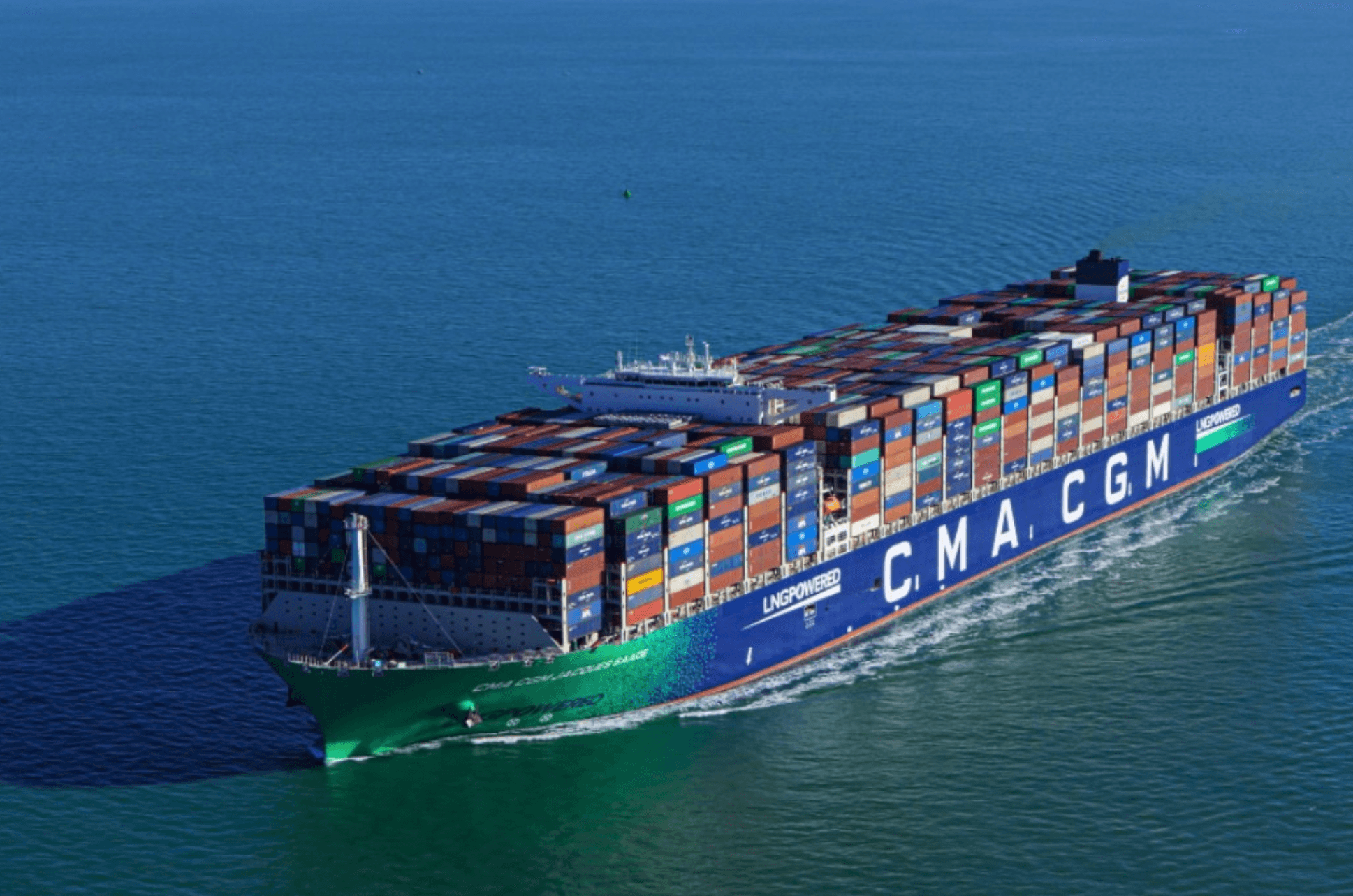
The Port of Colombo, Sri Lanka's primary maritime gateway, is actively pursuing plans to enhance its container handling capacity. This strategic move is a direct response to the growing volatility in global trade flows and the increasing demand for transshipment services in the region. The port aims to solidify its long-standing dominance as a regional hub, particularly as new rival ports in India emerge and vie for market share.
For freight forwarders and operations managers, this expansion signifies potential improvements in service reliability and capacity availability at a critical transshipment point. Increased capacity at Colombo could lead to reduced vessel waiting times and improved schedule integrity, especially for services connecting Asia, Africa, and Europe. This could offer more stable routing options and potentially mitigate some of the operational challenges associated with trade fluctuations and port congestion in other regional hubs.