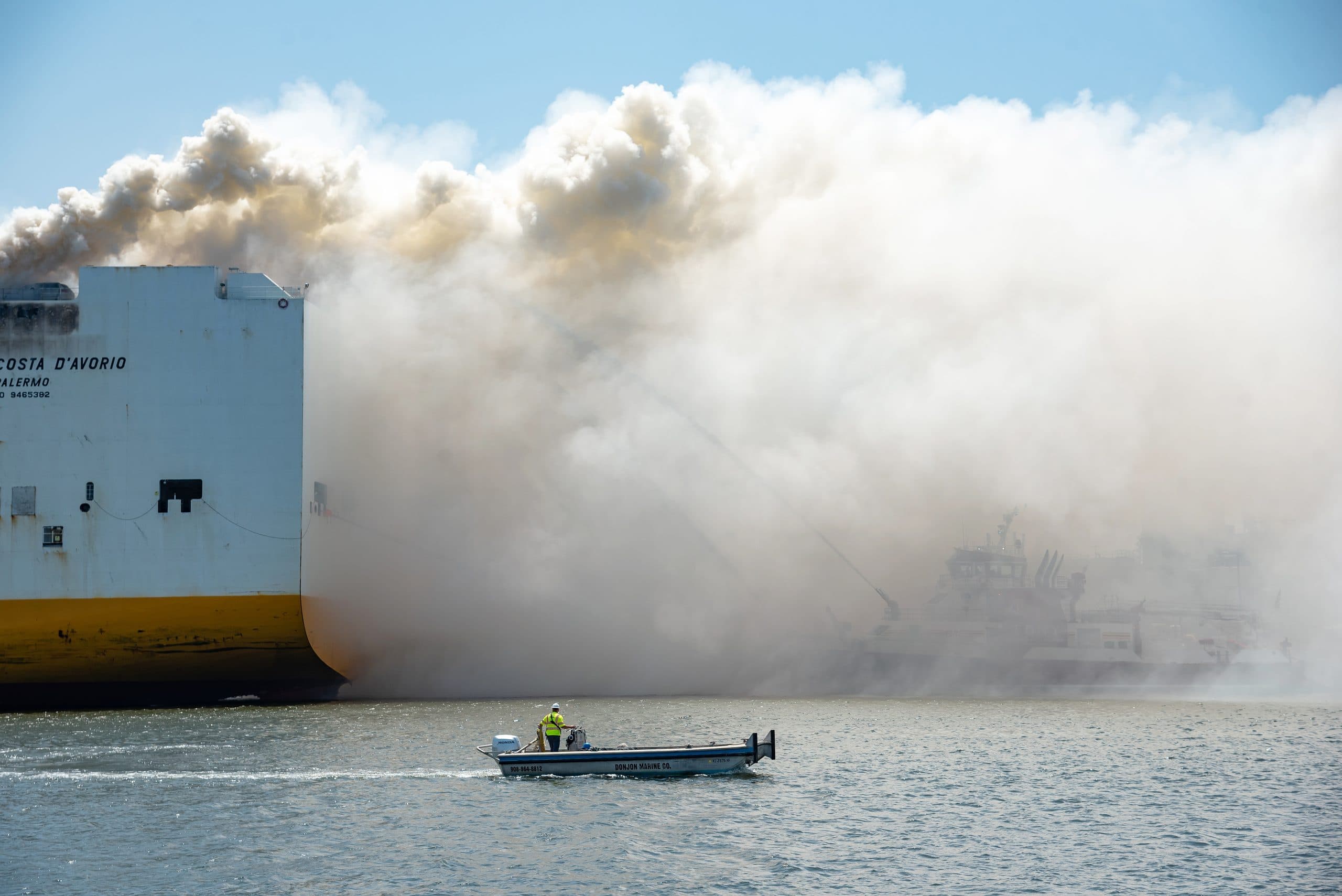
The International Union of Marine Insurance (IUMI) recently convened in Rotterdam, where key discussions centered on several pressing concerns for the global maritime industry. Among the primary topics were the escalating geopolitical risks, particularly those leading to longer sea voyages and more intricate cargo routing decisions. The conference also dedicated significant attention to the unique challenges associated with the transport of electric vehicles (EVs), especially concerning fire hazards.
For freight forwarders and operations managers, these discussions underscore a growing need for robust risk management and adaptable logistics strategies. Increased war risks and extended transit times, often due to diversions from traditional routes like the Red Sea, directly impact schedule reliability and operational costs. Forwarders must factor in potential delays, higher insurance premiums, and the need for alternative routing solutions. The specific risks associated with EV transport, such as battery fires, necessitate specialized handling procedures, enhanced safety protocols, and potentially higher insurance costs for such cargo. This could lead to more stringent requirements from carriers and insurers for EV shipments, affecting capacity and pricing.
Looking ahead, the insights from IUMI suggest that the maritime insurance landscape will continue to evolve in response to these complex global factors. Forwarders should anticipate ongoing adjustments in insurance policies and pricing, particularly for high-risk regions and specialized cargo like EVs. Staying informed about these developments will be crucial for managing client expectations and ensuring compliant, cost-effective operations.