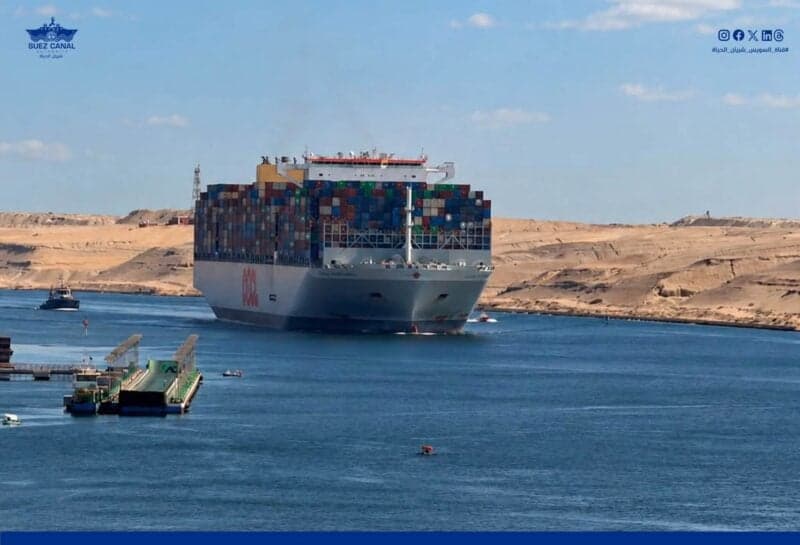
In October, the Premier Alliance plans to resume sending its vessels through the Suez Canal for Asia-Europe sailings. This decision, based on revised shipping schedules, suggests a broader trend among global ocean carriers to revert to the shorter Suez route instead of the longer journey around the Cape of Good Hope.
For several months, many carriers diverted vessels due to security concerns in the Red Sea, leading to increased transit times and fuel consumption. The return to the Suez Canal signifies an assessment by these alliances that the risks have either diminished or become manageable.
For freight forwarders and shippers, this development could lead to reduced transit times on the Asia-Europe trade lane, improving schedule reliability and potentially lowering operational costs associated with longer voyages. It may also alleviate some pressure on vessel capacity, as ships will spend less time at sea. Forwarders should monitor carrier announcements closely for specific service changes and any adjustments to surcharges related to Red Sea transits.