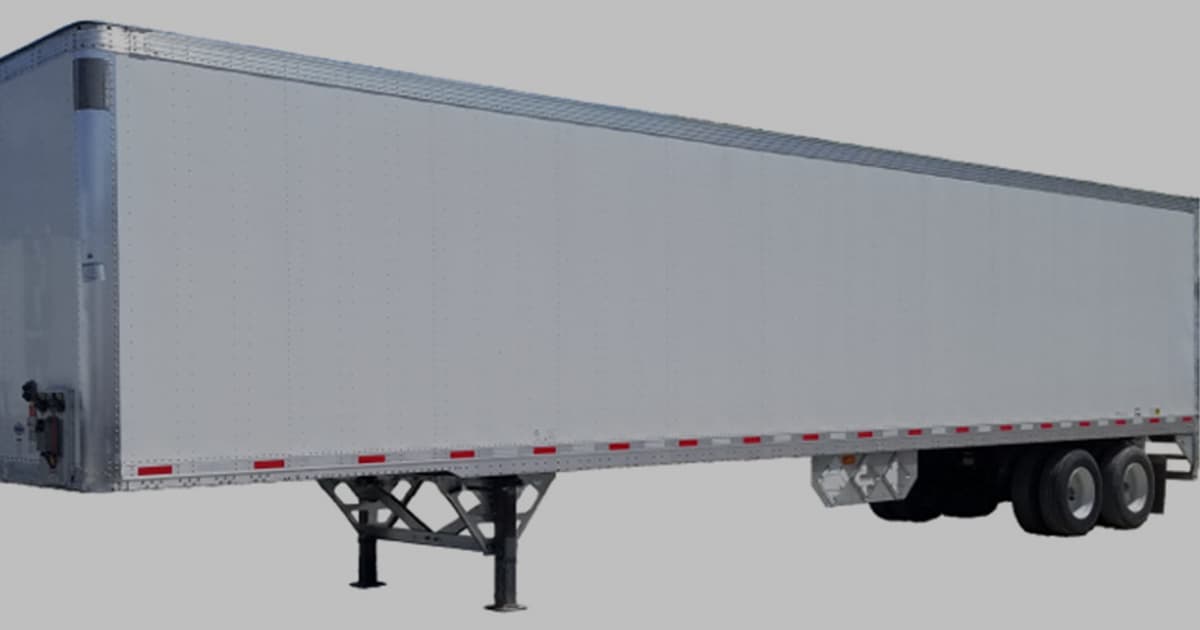
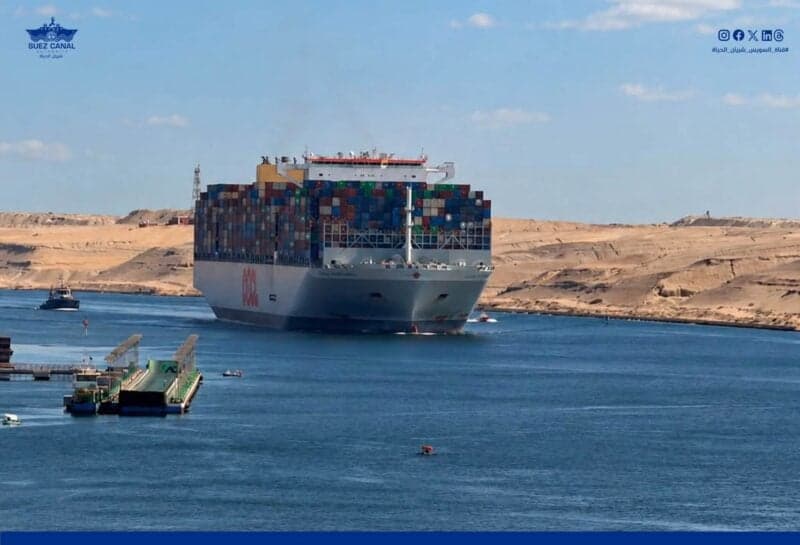
A new worker classification law in New Jersey is generating significant concern within the port drayage sector serving the New York and New Jersey port complex. Industry stakeholders are expressing worries about a potential rise in operating expenses and the possibility of drivers leaving the sector due to the new regulations. Conversely, New Jersey state authorities assert that the legislation does not represent a substantial shift from existing labor classifications.
For freight forwarders and operations managers, this development could translate into several challenges. Increased costs for drayage companies might lead to higher trucking rates for moving containers to and from the port. Furthermore, if the law results in a reduction of available drivers, it could exacerbate existing capacity constraints, leading to longer wait times for container pick-ups and deliveries, and potentially impacting overall supply chain efficiency in the region. Forwarders should monitor drayage rates and capacity closely in the coming months and consider engaging with their drayage partners to understand the specific implications for their operations.