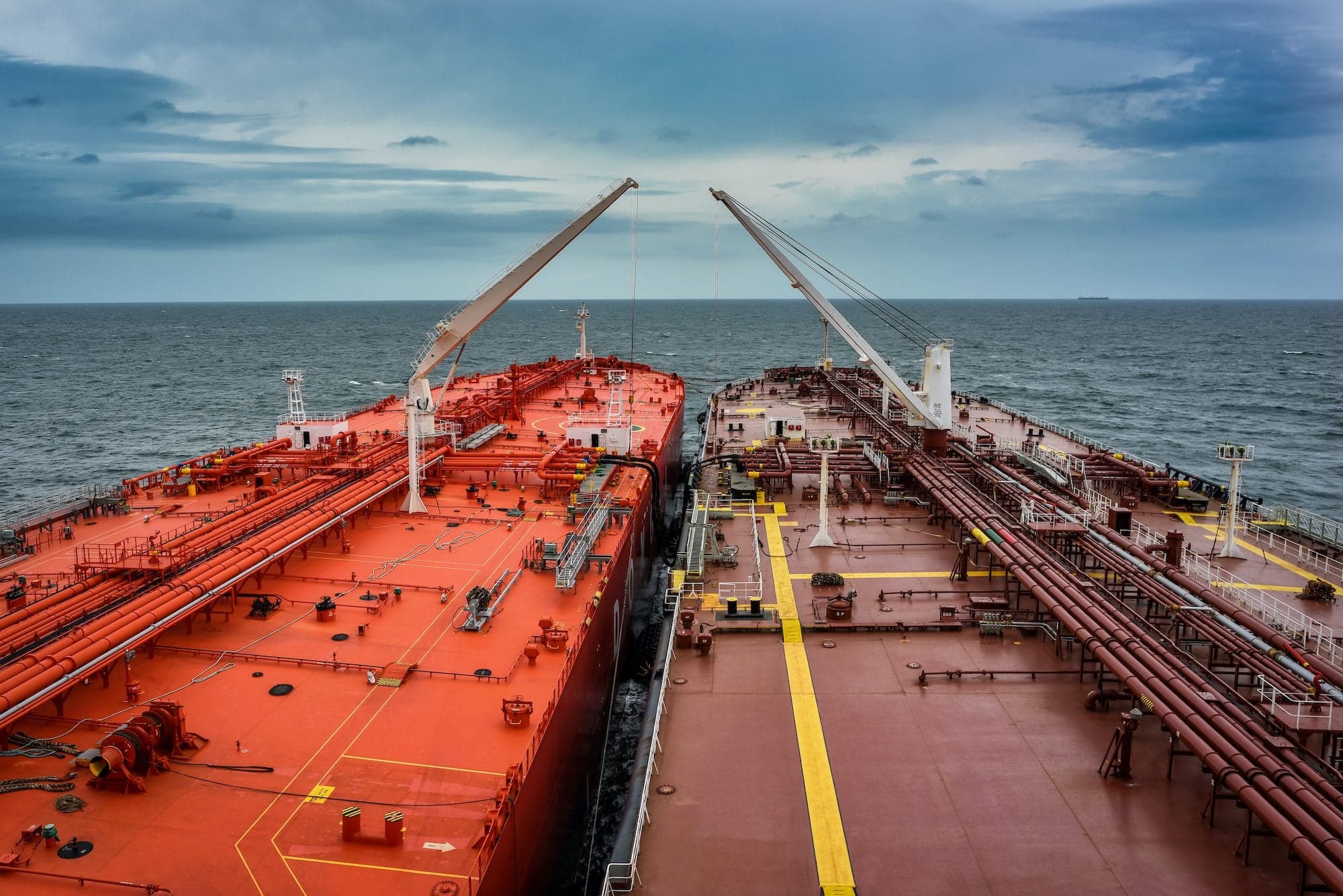
The International Energy Agency (IEA) has indicated it might authorize further releases of emergency oil stocks should global supply chain disruptions escalate. This consideration arises as Europe prepares for a potentially difficult winter, having already spent more than €100 billion on additional energy imports following the onset of the Iran conflict. While not an immediate priority, the IEA's stance suggests a readiness to intervene if market conditions deteriorate.
For freight forwarders and shippers, any release of strategic oil reserves by the IEA could have a direct impact on bunker fuel prices. Increased oil availability on the market typically leads to a stabilization or reduction in crude oil prices, which in turn affects the cost of very low sulphur fuel oil (VLSFO) and other marine fuels. This could offer some relief from fluctuating operational costs, a significant concern given the current geopolitical landscape and its influence on energy markets. Forwarders should monitor these developments closely as they can influence freight rates and contract negotiations.
Should the IEA proceed with further releases, it would aim to mitigate price volatility and ensure energy security, particularly for European nations heavily reliant on imports. This proactive approach underscores the agency's role in stabilizing global energy markets during periods of heightened risk.