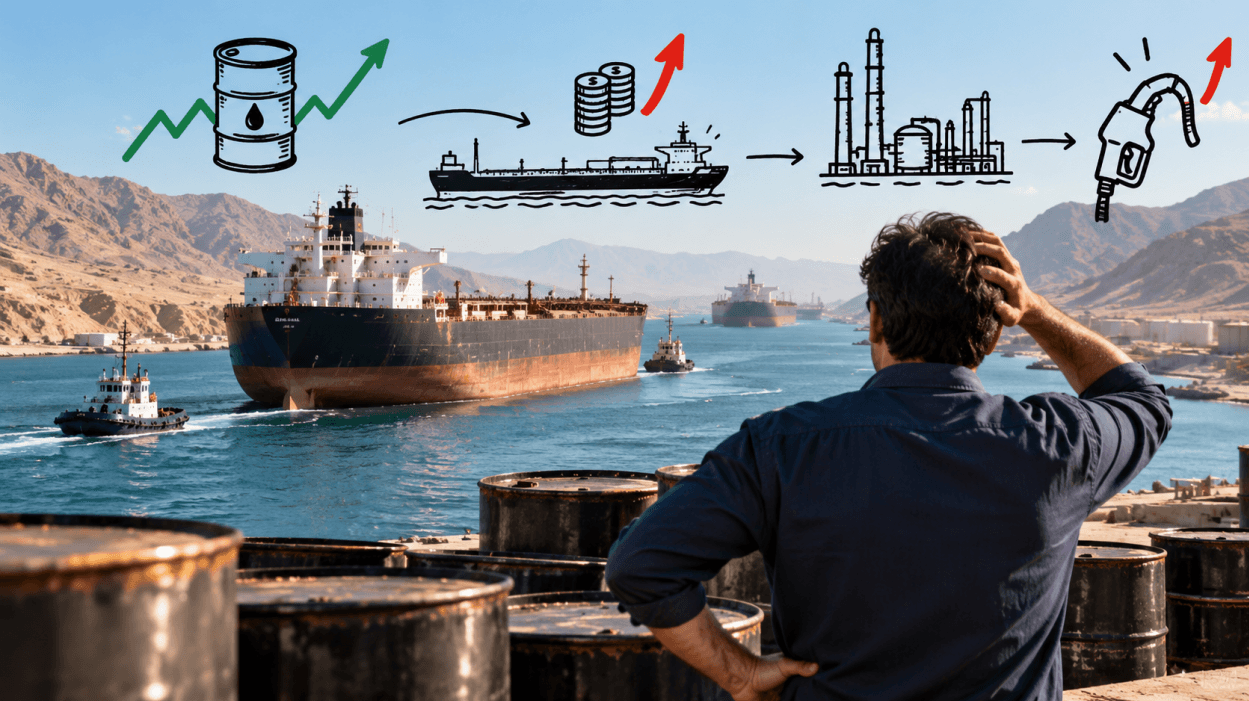
Global oil supplies are showing signs of recovery; however, market prices continue to be stubbornly high. This persistent elevation in prices is attributed to several critical factors, including ongoing disruptions in the Strait of Hormuz, which is a vital chokepoint for oil transit. Additionally, tanker rates have significantly increased, adding to the cost of transport. Rising insurance premiums for vessels operating in volatile regions further compound these expenses, alongside a scarcity of refinery capacity.
These combined pressures are highlighting significant weaknesses within the international oil logistics framework. The interconnectedness of these issues means that even with improved crude oil availability, the costs associated with its movement and processing are keeping end prices high. For freight forwarders and supply chain analysts, this situation translates into higher operational costs for any energy-related cargo, particularly those dependent on marine transport. Shippers can expect continued volatility in bunker prices, impacting overall freight costs and potentially leading to surcharges. Route planning must account for potential delays and increased security measures in sensitive maritime areas, directly affecting lead times and reliability.
Looking ahead, the market will likely continue to grapple with these challenges until refinery capacity expands or geopolitical tensions in key transit regions ease. The long-term implications could include a re-evaluation of supply chain resilience strategies and a greater emphasis on energy security.