Germany is pressing the European Union to swiftly introduce more stringent import restrictions on goods from China. This initiative follows the recent agreement on an annual import quota of 350,000 hybrid cars from China into the EU. Berlin's objective is to establish protective measures that limit the influx of various Chinese products, thereby shielding European industries from what it considers to be market distortions and unfair competition.
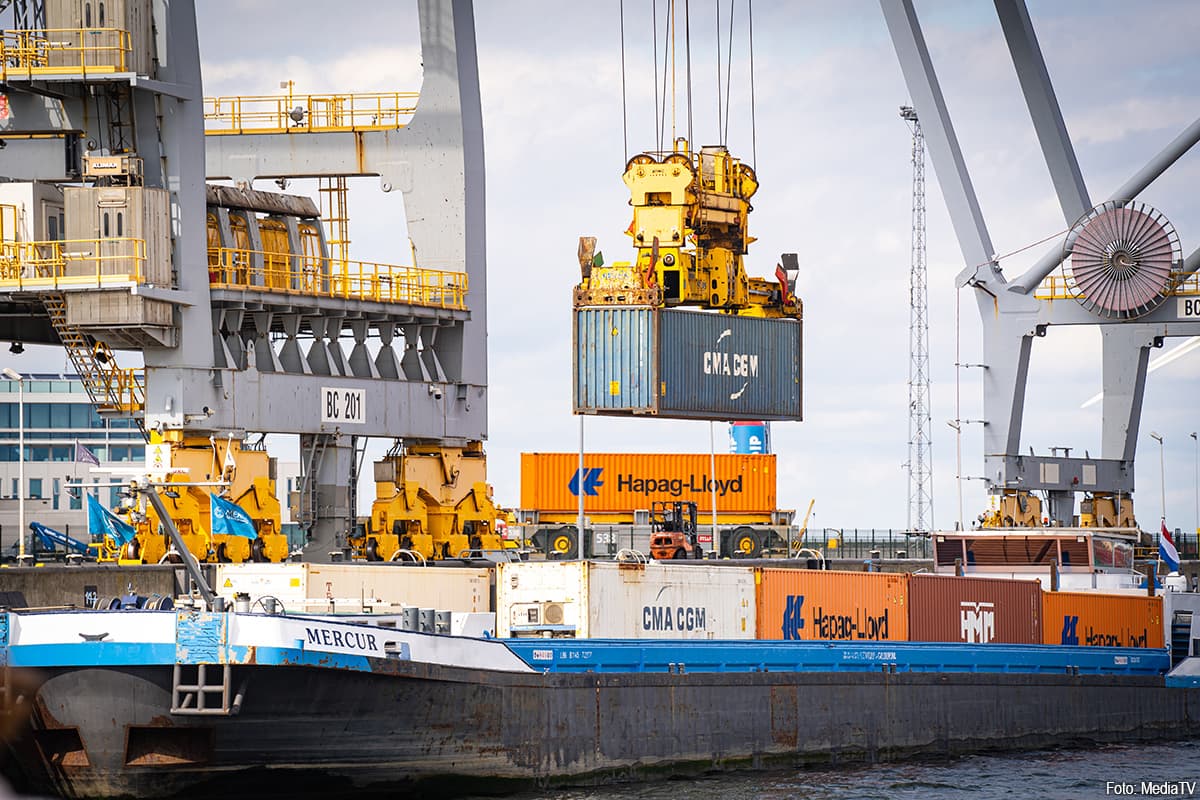
For freight forwarders and logistics professionals, such measures could lead to significant shifts in trade flows and supply chain planning. Increased tariffs or quotas on Chinese goods would likely reduce import volumes from China into the EU, potentially impacting ocean and air freight capacity utilization on these lanes. Forwarders might need to explore alternative sourcing regions for their clients or adapt to more complex customs procedures and higher landed costs for Chinese imports. This could also drive a push towards nearshoring or friendshoring strategies for some manufacturers, further altering established trade routes and requiring new logistics solutions.