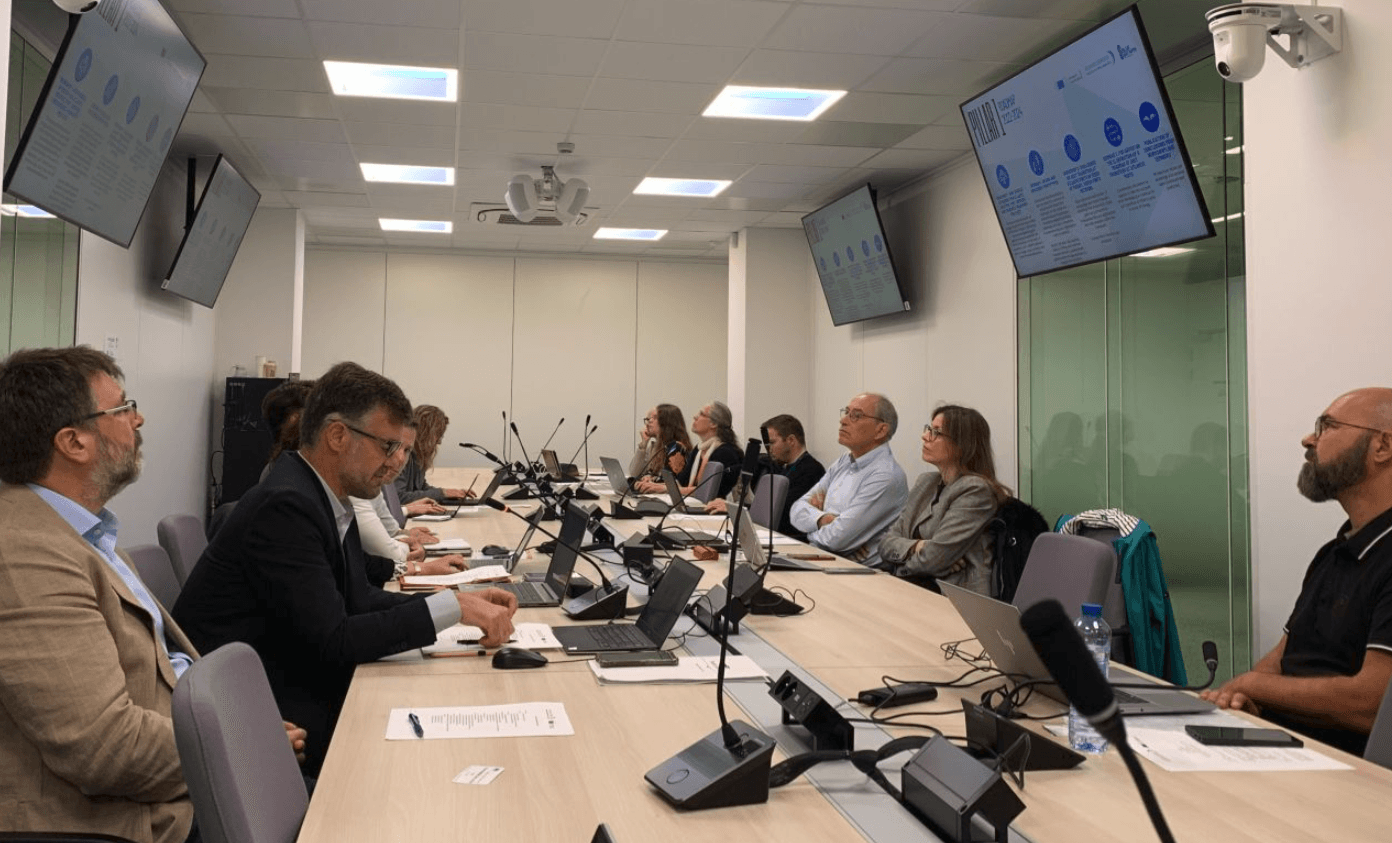
European ports are actively strengthening their climate adaptation strategies and environmental management systems. This development was recently emphasized by the European Sea Ports Organisation (ESPO), with Policy Advisor Belén Landaluce Conesa presenting key findings during discussions related to the Atlantic Action Plan's ports pillar. The focus is on enhancing the EcoPorts network and improving environmental monitoring practices across the continent.
This increased emphasis comes in response to the escalating risks posed by climate change, which can impact port operations through rising sea levels, extreme weather events, and other environmental challenges. By investing in climate adaptation, ports aim to build resilience and ensure continued operational efficiency.
For freight forwarders and supply chain professionals, these initiatives signal a growing commitment to sustainability within European maritime logistics. While direct impacts on rates or capacity are not immediate, the long-term benefits include more resilient port infrastructure, potentially reducing disruptions from climate-related events. Forwarders may also see increased demand for green logistics solutions as ports push for stricter environmental compliance, influencing carrier selection and routing decisions based on sustainability credentials.