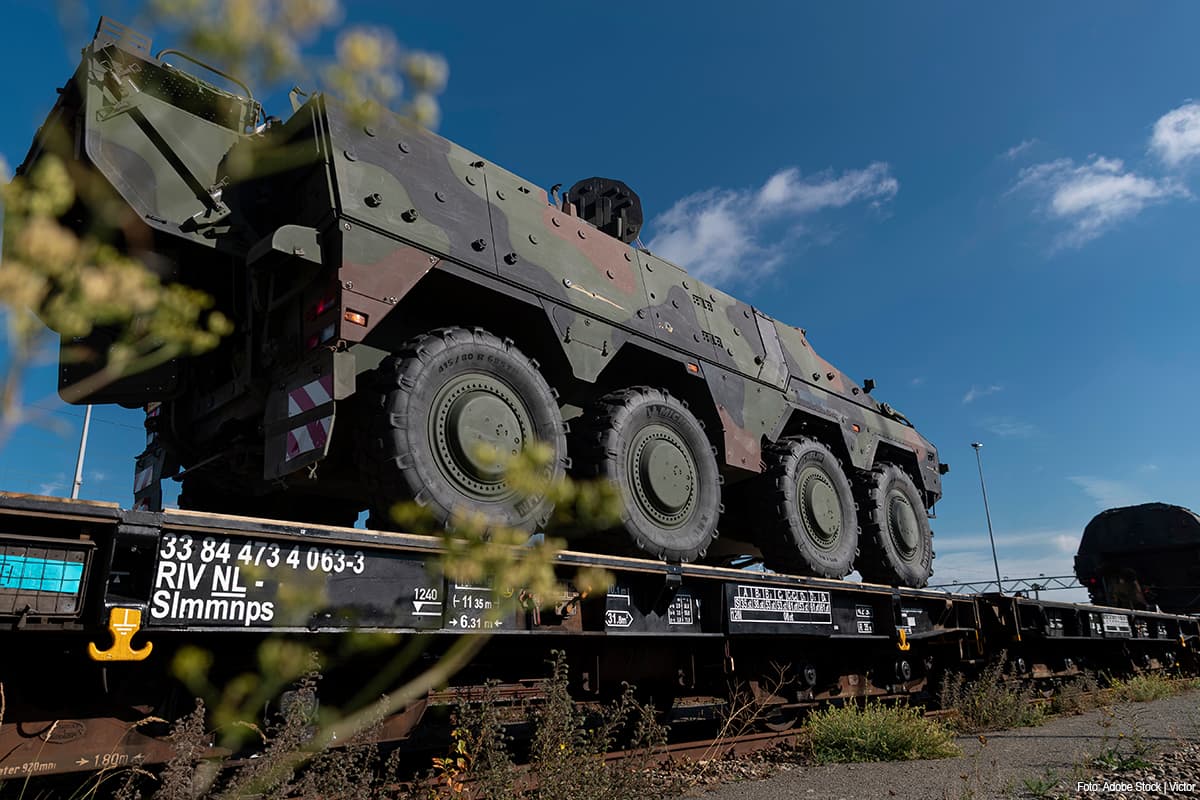
The Netherlands' existing road and rail infrastructure is not adequately prepared to handle extensive military transport operations, according to NATO standards. Significant limitations have been identified in critical areas such as the overhead clearance of bridges, the structural load capacity of various road and rail sections, and the overall width of transport routes and engineering structures.
To bring the national infrastructure up to the required specifications for military logistics, a substantial investment of approximately 9.5 billion euros is projected. This funding would address the identified bottlenecks, ensuring that the Netherlands can effectively facilitate the movement of large military equipment and personnel, which is crucial for collective defense and rapid deployment scenarios within the NATO framework.
For freight forwarders and logistics operators, this news highlights potential future infrastructure improvements that could also benefit commercial oversized or heavy-lift cargo movements. While the immediate focus is military, upgrades to bridge capacities and road widths could indirectly improve routing options and reduce transit complexities for specialized commercial freight, potentially easing restrictions on certain routes and allowing for more efficient planning of project cargo or out-of-gauge shipments. However, in the short term, these deficiencies mean that specific routes might be restricted for very heavy or large commercial loads, requiring careful planning and potentially longer detours.