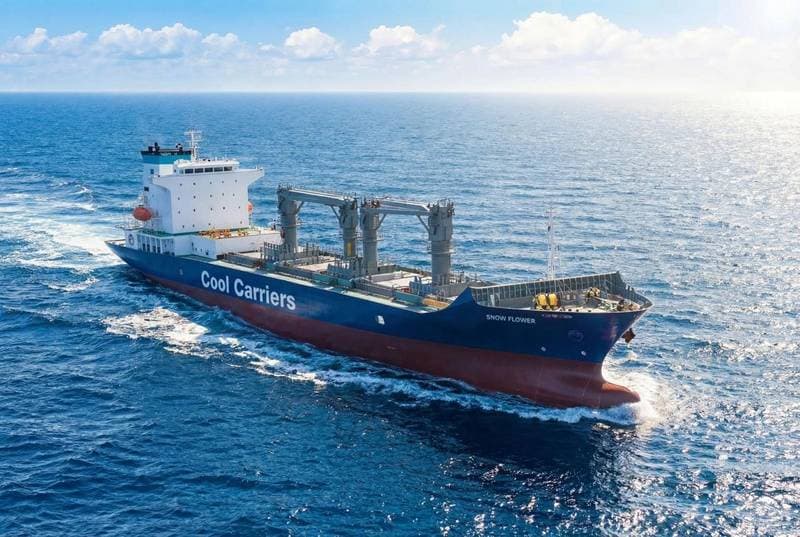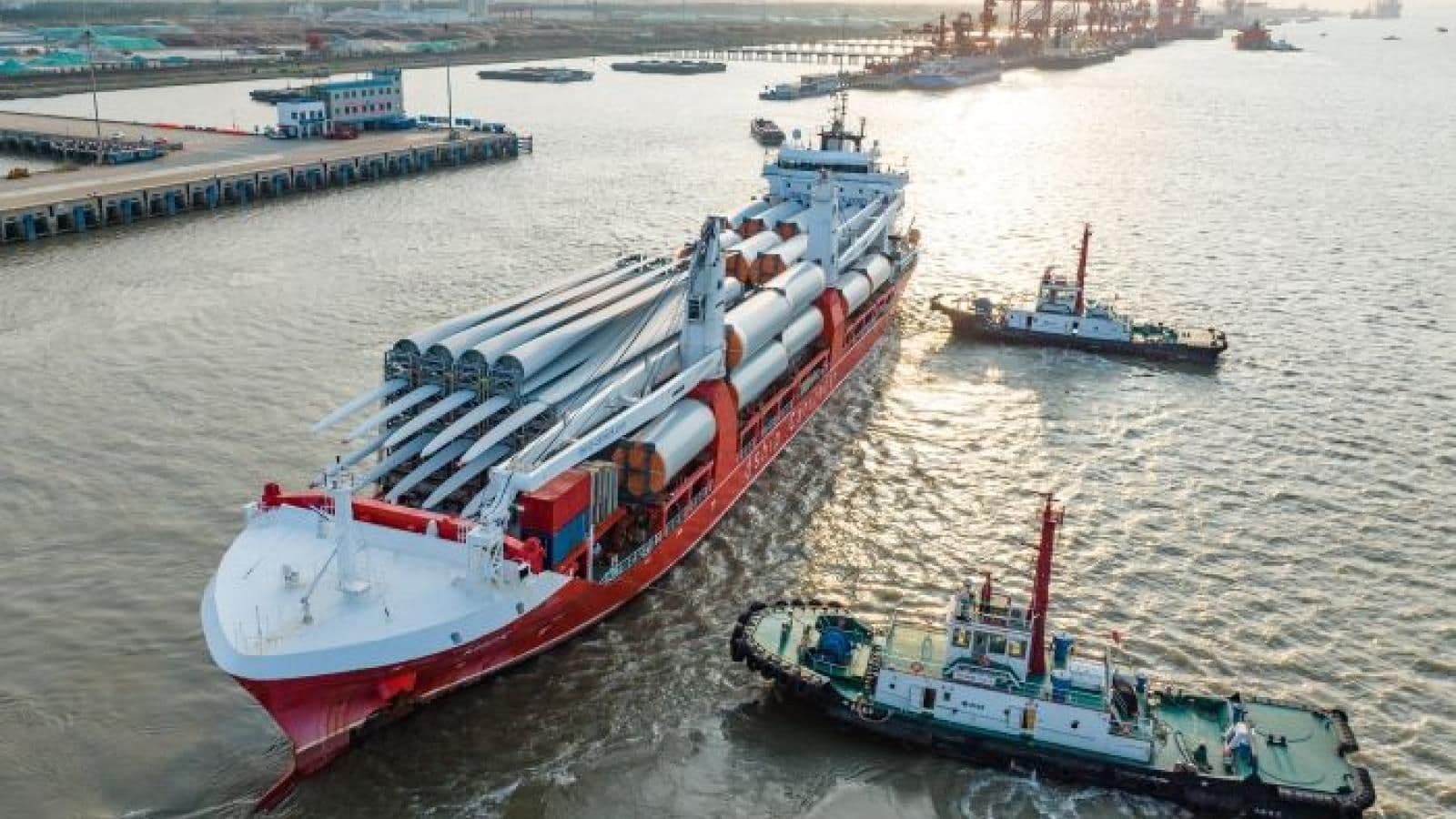
The global fleet for breakbulk and project cargo is experiencing growth, however, the actual capacity available to shippers remains restricted. This limitation is attributed to several key factors, including the increasing specialization of vessels, which can reduce flexibility for diverse cargo types. Additionally, a low rate of vessel demolition means older, less efficient ships remain in service, contributing to overall fleet size without necessarily improving operational capacity. Persistent port congestion and ongoing disruptions to established trade lanes further exacerbate the problem.
For freight forwarders and operations managers, this situation implies continued challenges in securing suitable vessel space for oversized and project cargo. Rates for these specialized shipments may remain elevated or volatile due to the tight supply of effective capacity. Forwarders will need to allocate more time to planning and potentially explore alternative routing or multimodal solutions to mitigate delays and cost increases. Early booking and clear communication with carriers regarding cargo specifications will be crucial.