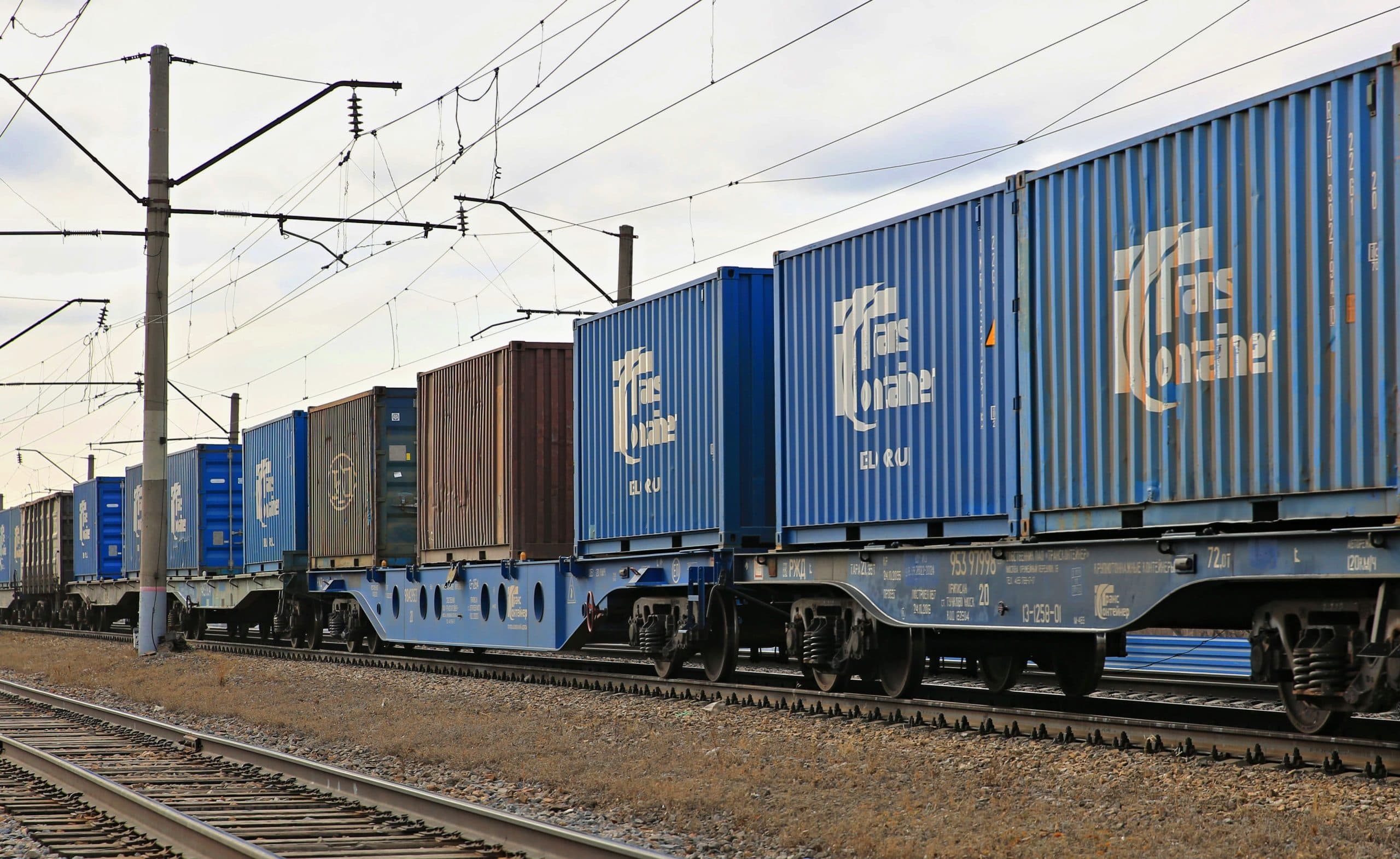
The World Bank recently released a report underscoring the critical need for substantial financial investment to develop the Middle Corridor. This strategic rail route, which links China with Europe through Central Asia, requires significant upgrades to become a truly competitive and efficient alternative for international freight transport.
For freight forwarders and operations managers, increased investment in the Middle Corridor could lead to improved transit times and greater reliability for rail shipments between Asia and Europe. This would offer a valuable alternative to traditional sea routes, especially in times of port congestion or geopolitical disruptions affecting maritime trade lanes. Enhanced infrastructure and operational efficiency could also potentially stabilize or reduce rail freight costs in the long term, providing more predictable pricing and capacity for shippers.
The report's findings suggest that without these investments, the corridor's full potential as a robust multimodal artery cannot be realized. Future developments are expected to focus on modernizing rail lines, improving border crossing procedures, and enhancing intermodal capabilities across the participating countries.