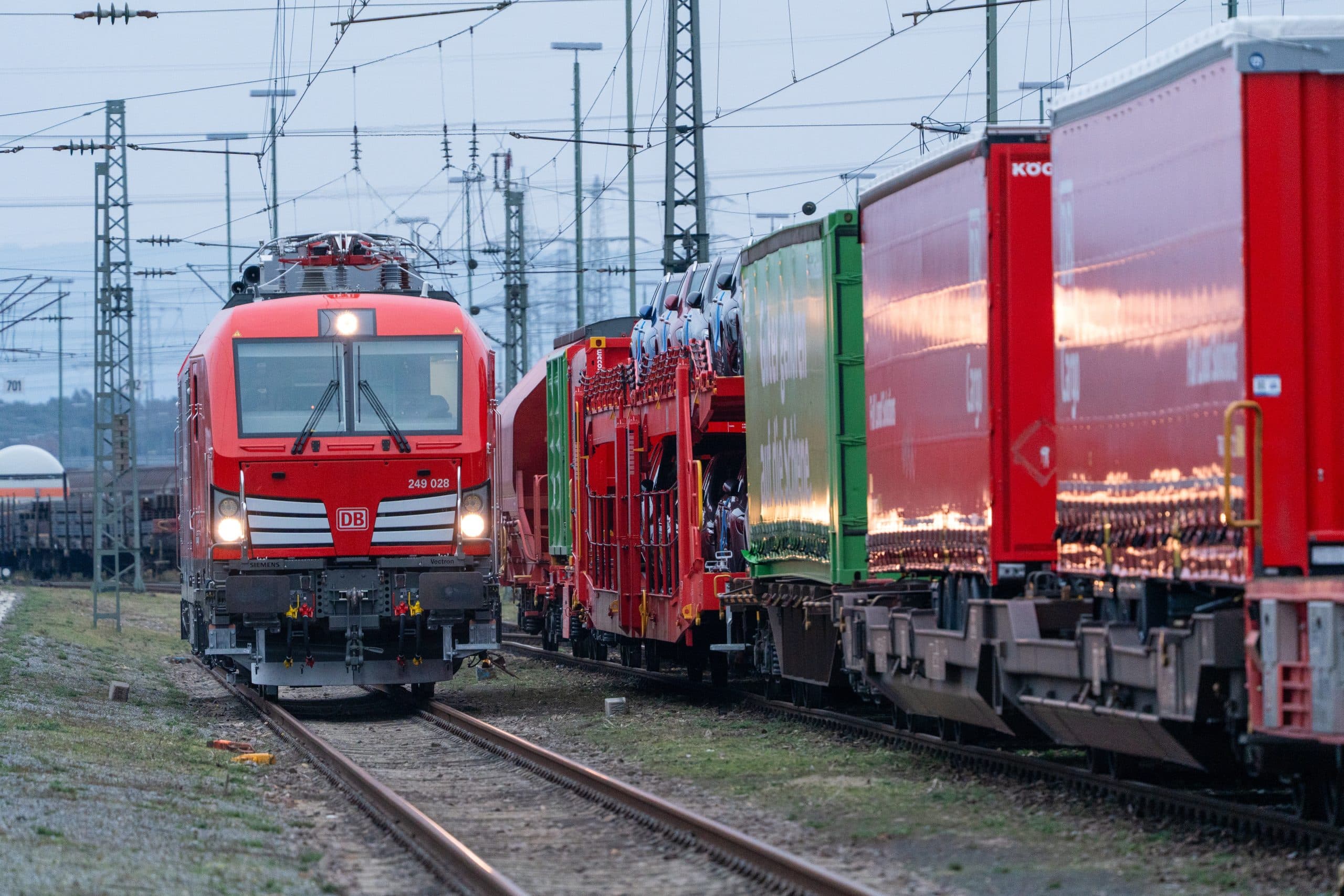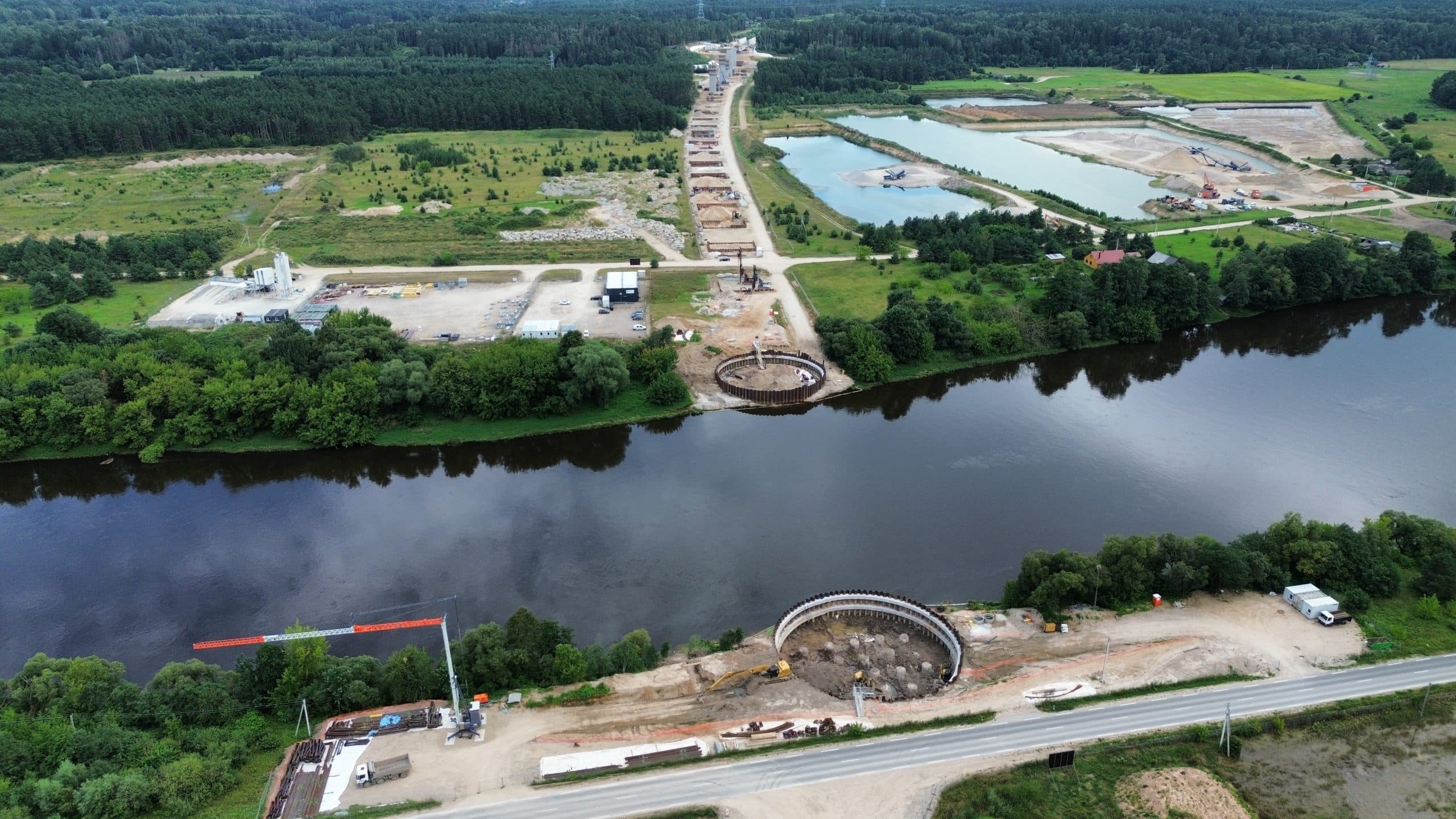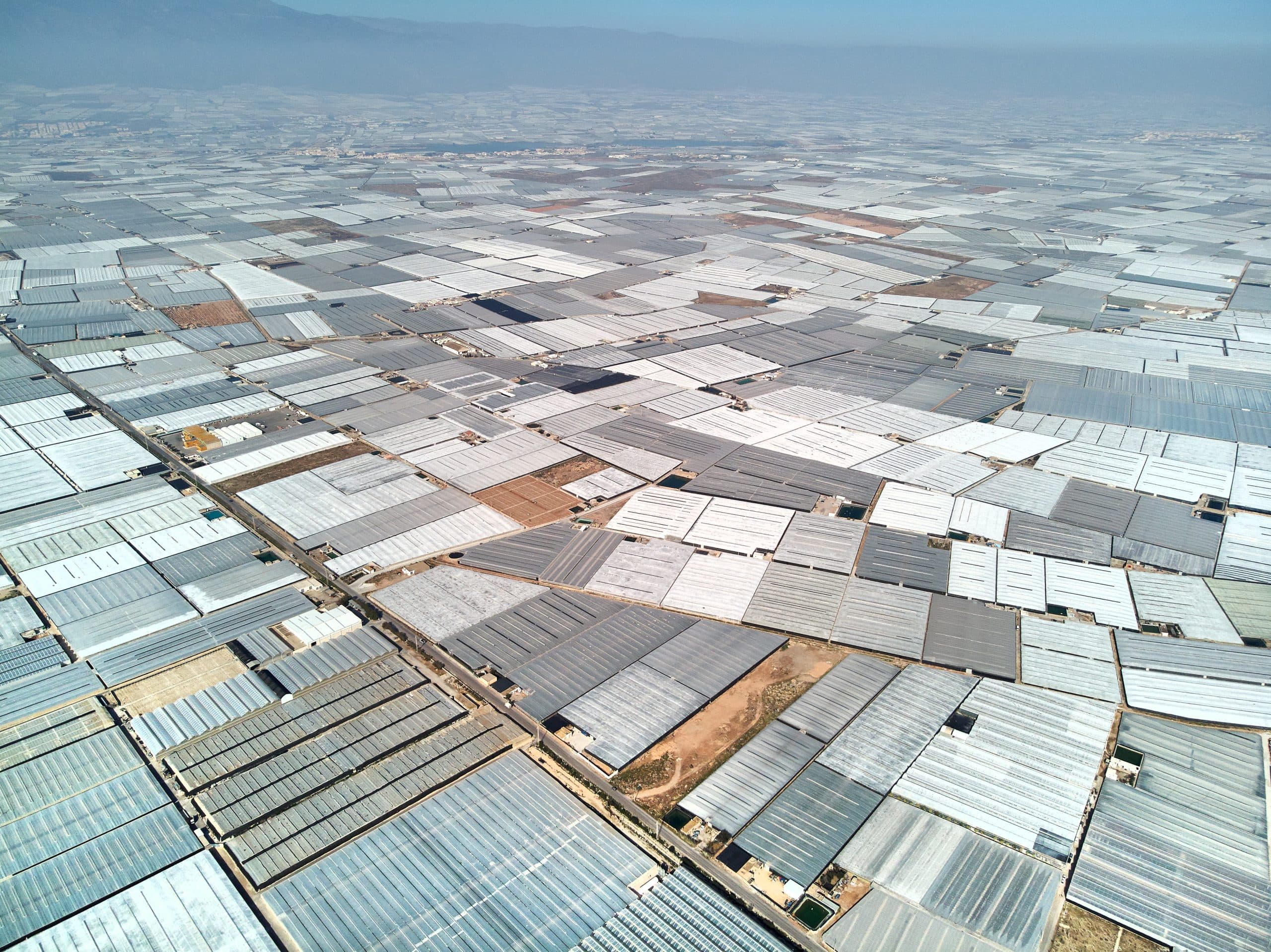
Spanish national rail freight operator Renfe Mercancías is actively pursuing the establishment of a new rail highway designed specifically for the transport of fruits and vegetables. This development is contingent upon the completion of crucial infrastructure upgrades along the Mediterranean Corridor. The project's primary goal is to facilitate a substantial shift of agricultural produce from road to rail, thereby improving logistical efficiency and sustainability within Spain.
For freight forwarders and operations managers, this initiative signifies a potential expansion of intermodal options for perishable goods originating from Spain. A dedicated rail highway could offer more reliable transit times and potentially lower costs compared to long-haul road transport, especially for high-volume shipments. It may also provide a more environmentally friendly solution, aligning with increasing shipper demands for sustainable supply chains. Forwarders should monitor the progress of the Mediterranean Corridor infrastructure works and the operational launch of this rail highway to integrate it into their routing strategies for Spanish agricultural exports.
This new rail service is expected to reduce congestion on road networks and decrease carbon emissions associated with agricultural logistics. The focus on fruits and vegetables highlights a strategic effort to optimize the supply chain for time-sensitive and temperature-controlled cargo, leveraging rail's capacity for bulk transport.