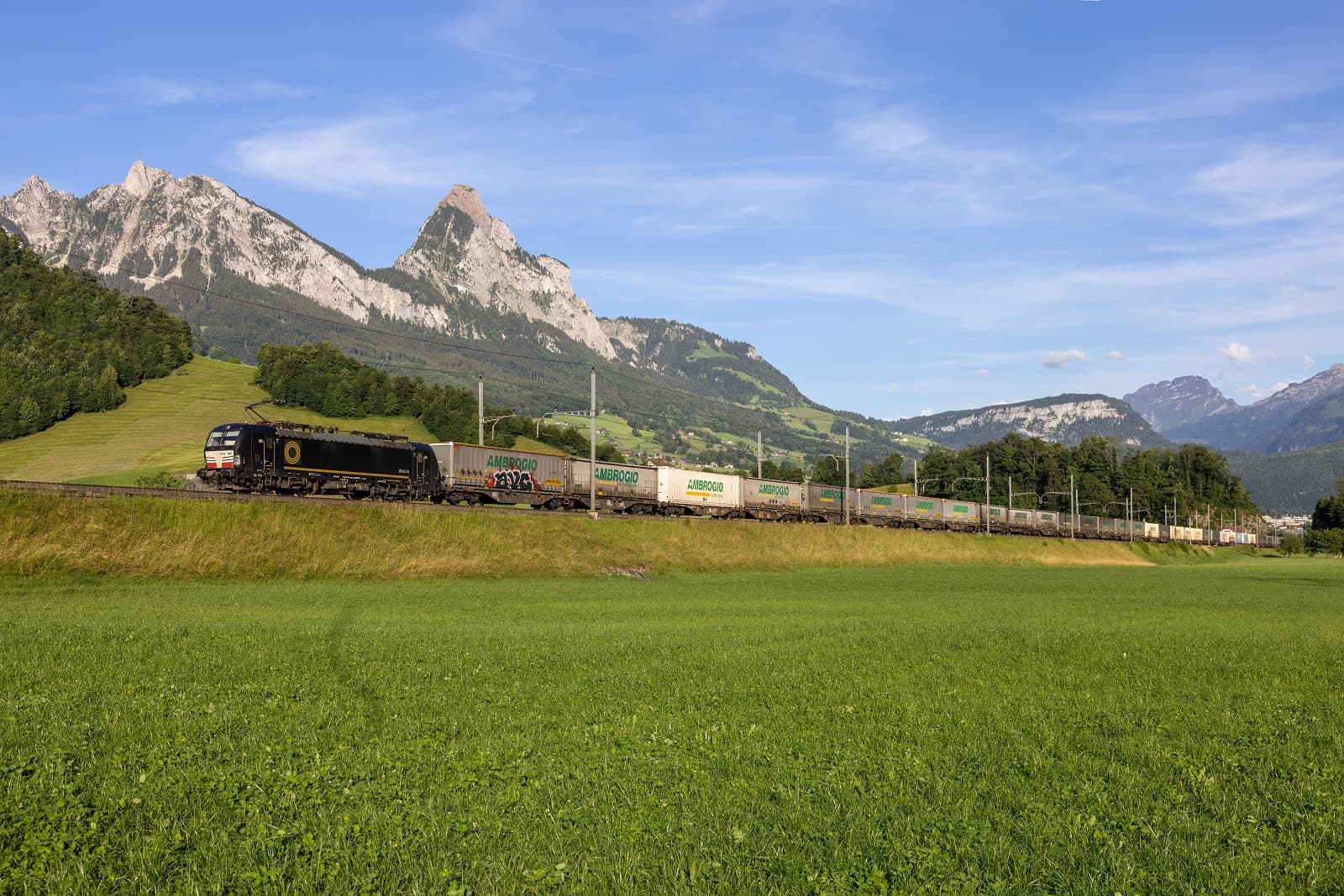
In the first half of 2026, Switzerland's transalpine rail freight traffic experienced a 3.1% increase, with a total of 12.3 million tonnes of goods transported across the Alps by rail. This growth highlights the continued importance of rail for cross-alpine logistics.
However, the article emphasizes that the current rail infrastructure in Switzerland remains a significant hurdle. These limitations can impact transit times and capacity, potentially leading to bottlenecks for freight forwarders relying on these crucial routes. For freight forwarders, this means that while demand for rail services through Switzerland is rising, operational efficiencies might be constrained by infrastructure capacity, potentially affecting lead times and scheduling reliability. Careful planning and communication with rail operators will be essential to mitigate potential delays.
Addressing these infrastructure challenges will be critical for sustaining future growth and enhancing the competitiveness of transalpine rail freight.