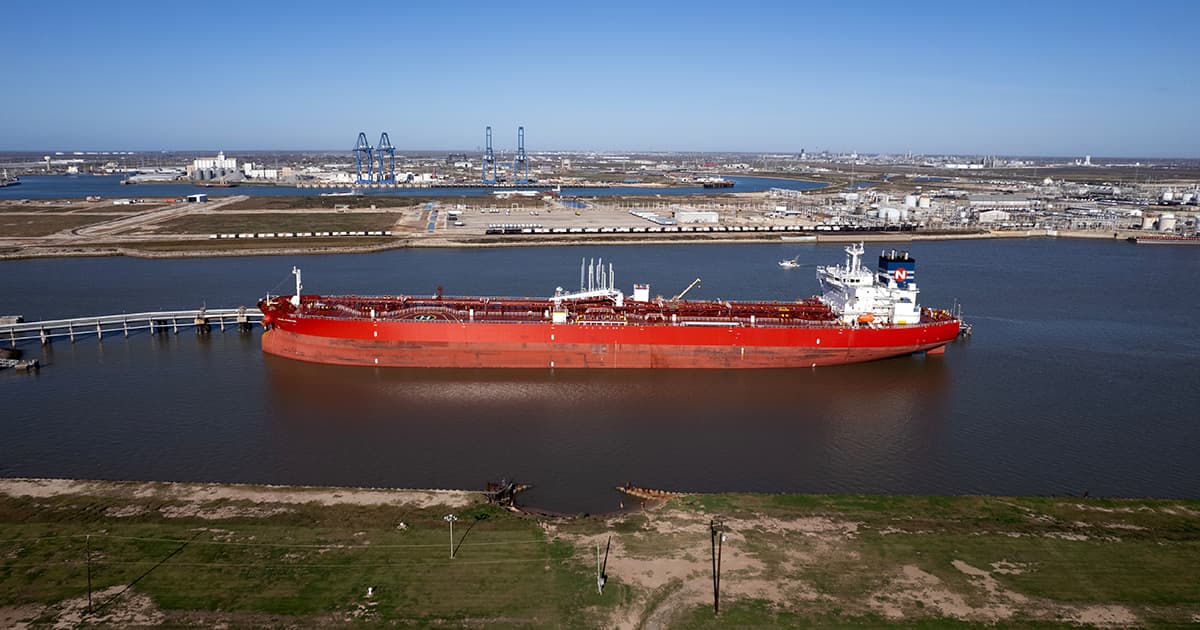
The global oil market is experiencing challenges due to a shortage of Very Large Crude Carriers (VLCCs). This scarcity is leading to higher freight rates for transporting crude oil over long distances. Consequently, the increased shipping expenses are impacting the profitability of some oil refiners, making it less viable for them to convert crude into finished fuels.
This situation creates a disincentive for refiners to acquire oil cargoes that require extensive sea voyages. For freight forwarders and supply chain analysts, this development signals potential shifts in oil procurement patterns and trade lanes. Higher transportation costs could lead to refiners prioritizing shorter-haul crude sources or adjusting their operational margins. This might also influence the demand for specific vessel types and potentially increase pressure on charter rates for available tankers.
Should this trend continue, it could lead to a restructuring of global oil supply chains, with a greater emphasis on regional sourcing where possible. The long-term implications might include investment in new tanker capacity or a re-evaluation of refinery locations relative to crude oil supplies.