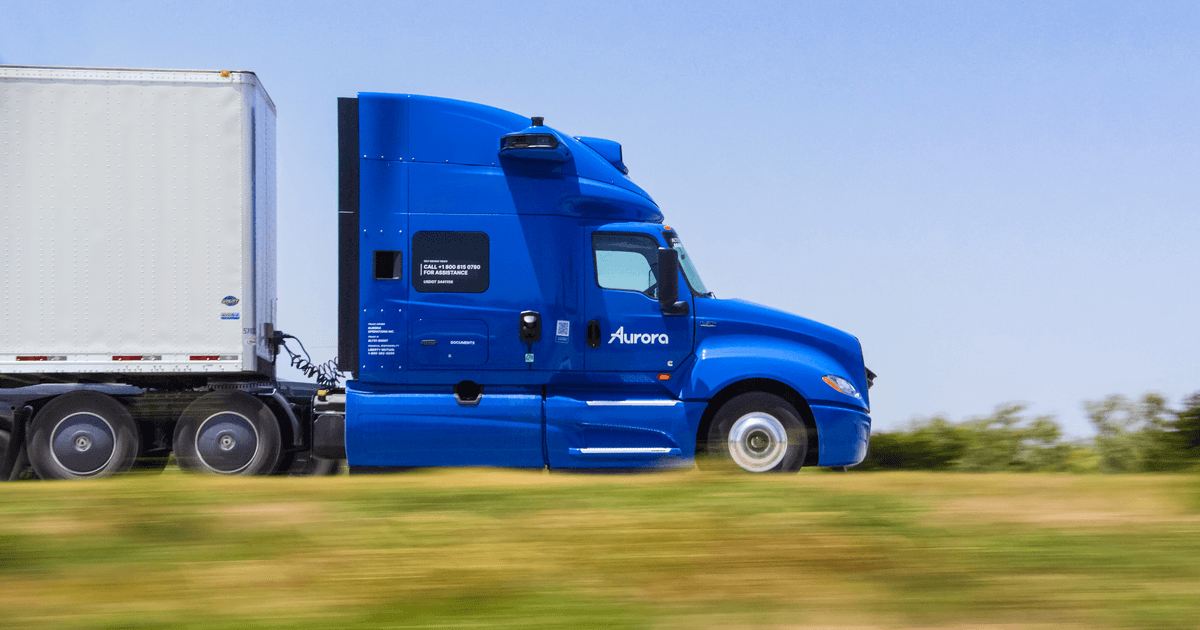
Regulators are currently examining the future of truck safety regulations, with new data and independent assessments shedding light on the capabilities of autonomous trucking technology. This ongoing evaluation aims to understand how self-driving systems can enhance safety and efficiency within the freight industry.
For freight forwarders and operations managers, the advancement and potential adoption of autonomous freight could significantly impact long-haul logistics. Autonomous trucks might offer more consistent transit times due to reduced human error and fatigue, potentially improving schedule reliability. Furthermore, widespread implementation could alleviate pressures from driver shortages, a persistent challenge in the road freight sector. However, initial deployment will likely involve specific lanes or hub-to-hub models, requiring careful integration with existing manual operations and infrastructure. Forwarders should monitor regulatory progress and pilot programs to anticipate changes in capacity, routing options, and potential cost efficiencies.
Looking ahead, the industry will likely see continued testing and refinement of autonomous trucking systems. Regulatory frameworks will evolve to accommodate this technology, focusing on safety protocols, operational standards, and liability. The pace of adoption will depend on technological maturity, public acceptance, and the harmonization of regulations across different jurisdictions.