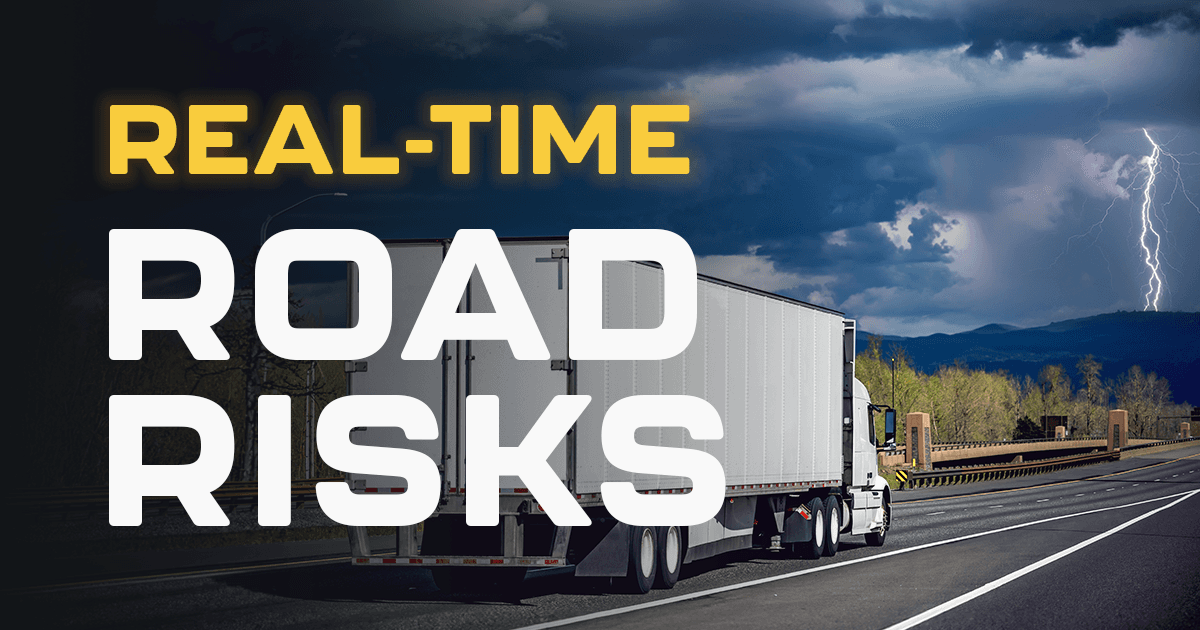
Departments of Transportation (DOTs) and commercial trucking fleets are implementing advanced alert systems to provide drivers with real-time warnings about severe weather. This initiative is designed to enhance safety and operational efficiency by allowing drivers to anticipate hazardous conditions.
Traditionally, drivers have relied on general weather forecasts, which may not offer the granular, immediate information needed to react effectively to rapidly changing conditions. The new systems leverage technology to deliver specific, actionable alerts directly to drivers, enabling them to make informed decisions about their routes and schedules.
For freight forwarders and operations managers, these proactive alerts are crucial for maintaining supply chain fluidity. By minimizing weather-related incidents and delays, they can improve on-time delivery performance and reduce the risk of cargo damage. Forwarders should encourage their carrier partners to adopt such technologies, as it directly impacts transit times and schedule reliability. It also provides an opportunity for better communication with shippers regarding potential delays or route changes.
While the article does not specify future developments, the trend suggests a continued integration of real-time data and communication tools into logistics operations, further enhancing safety and efficiency in the face of environmental challenges.