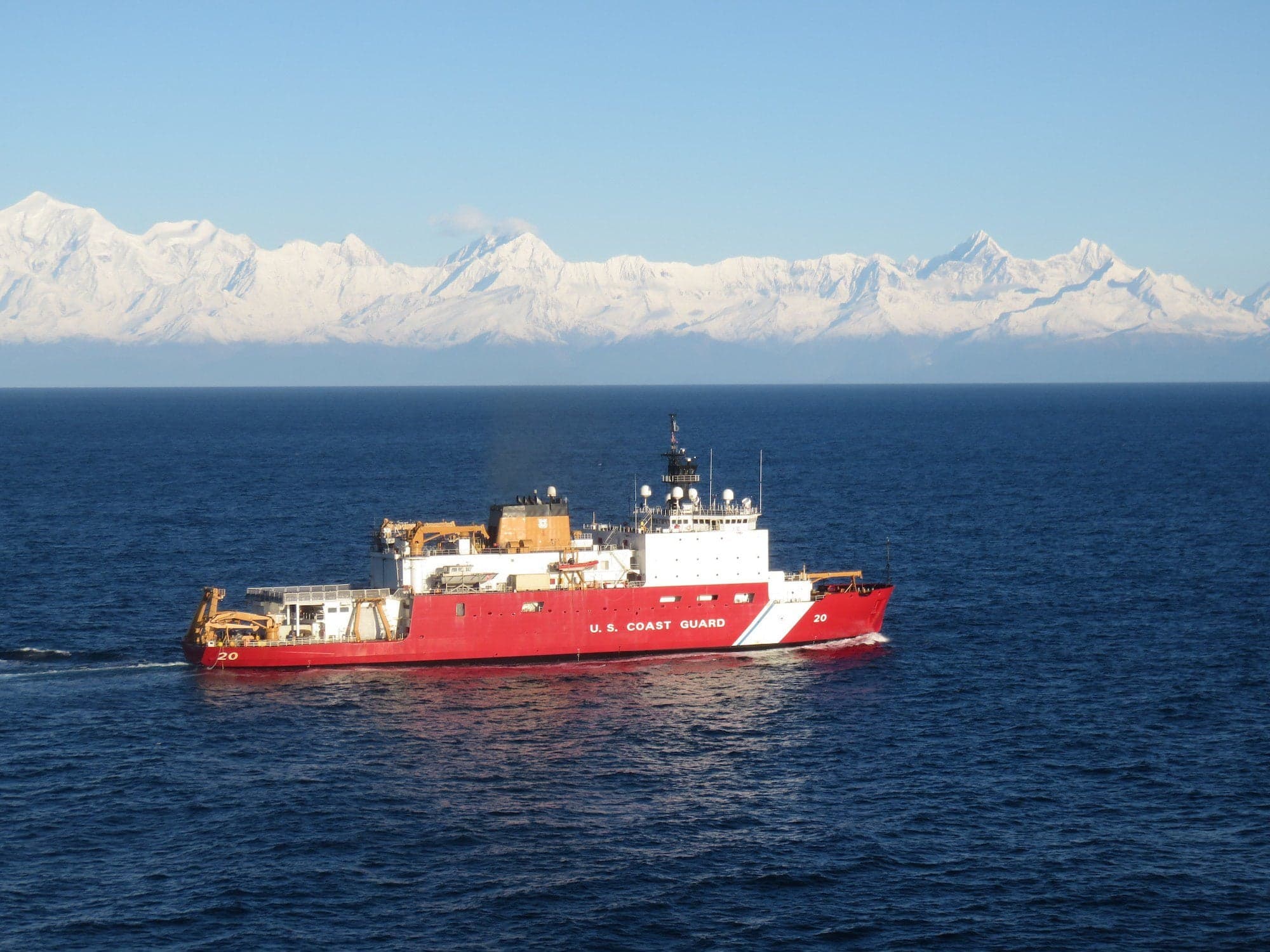
The U.S. Coast Guard icebreaker USCGC Healy recently suffered a mechanical breakdown, leading to the abrupt termination of its scheduled high-latitude mission in the Arctic. This development has significantly impacted the Coast Guard's operational capabilities in a region that is experiencing growing strategic importance and increased maritime activity.
The incident with the Healy, one of only two active U.S. polar icebreakers, highlights a long-standing concern regarding the nation's insufficient icebreaking capacity. The U.S. relies heavily on this small fleet to assert its presence, conduct scientific research, and ensure maritime safety in the Arctic, especially as climate change opens up new shipping routes and resource exploration opportunities.
For freight forwarders and shippers, while this specific incident does not directly affect commercial shipping lanes, it signals potential future challenges for Arctic transit and support operations. A constrained icebreaker fleet could mean reduced availability for escort services or emergency response in the high Arctic, which might become relevant as commercial interest in the Northern Sea Route or other Arctic passages grows. It also underscores the broader logistical complexities and infrastructure demands of operating in extreme polar environments.
The U.S. government has recognized the need to modernize and expand its icebreaker fleet, with plans for new vessels underway. However, these new additions are still years away from deployment, meaning the current operational limitations will persist for the foreseeable future.