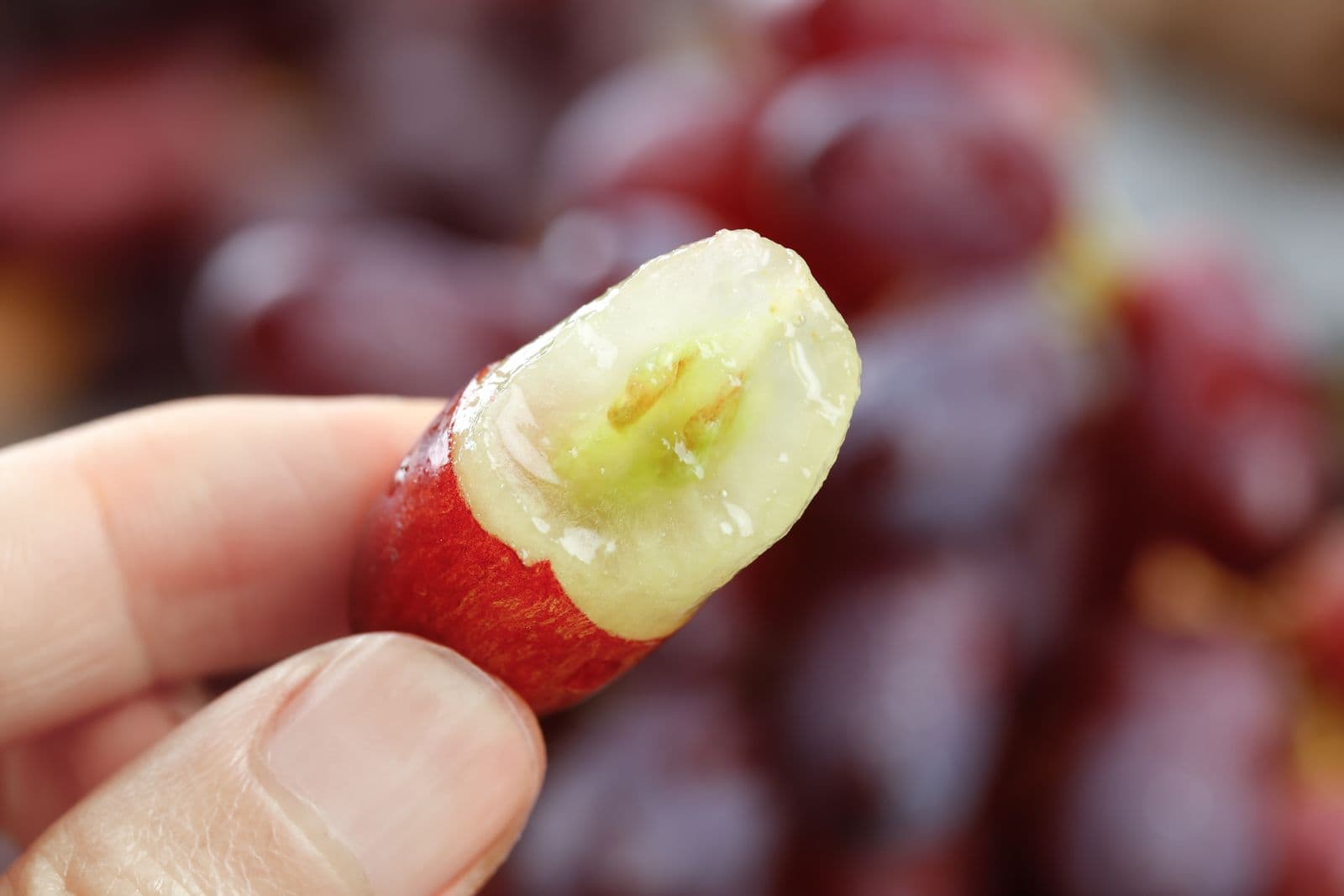
The Chilean table grape market, which is three months away from its peak season, is facing significant changes due to new port calls and service adjustments by both container and specialized reefer shipping lines. These modifications are specifically targeting the US East Coast trade lane, a key destination for Chilean fruit exports.
For freight forwarders and shippers, these service alterations mean a potential shift in preferred routing and port discharge options. It will be crucial to evaluate the new schedules for transit time efficiencies, direct port calls versus transshipment options, and overall reliability. The introduction of specialized reefer services alongside traditional container lines suggests a competitive environment, which could influence freight rates and available capacity for temperature-sensitive cargo. Forwarders will need to adapt their logistics strategies to leverage these new offerings, ensuring optimal cold chain management and timely delivery for their clients.