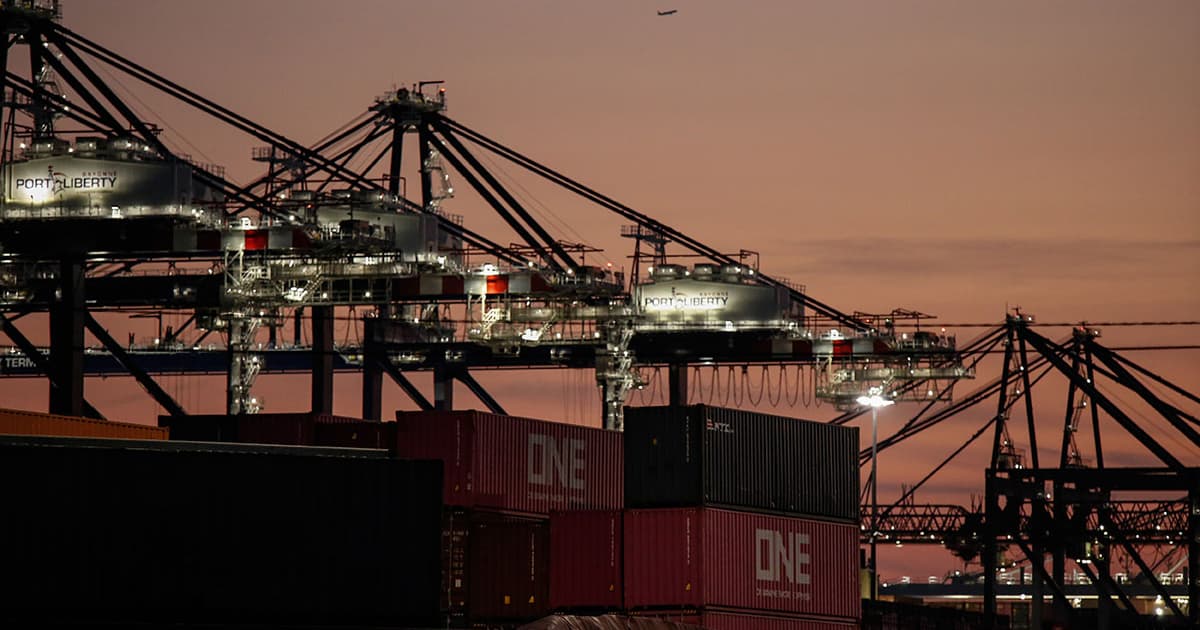
The United States government has opted to postpone the introduction of new tariffs that were expected to address concerns about excess manufacturing capacity among its trading partners. This decision comes ahead of a scheduled summit between President Xi Jinping and President Donald Trump, suggesting a strategic move to facilitate diplomatic discussions before implementing new trade measures.
For freight forwarders and supply chain professionals, this delay offers a temporary reprieve from potential new trade barriers and associated uncertainties. New tariffs typically lead to increased landed costs for goods, which can impact pricing, demand, and ultimately, shipping volumes. The postponement means that current trade policies remain in effect for now, allowing businesses to continue operations without immediate adjustments to their sourcing or pricing strategies due to these specific tariff threats. However, the underlying issue of excess capacity and potential future tariffs remains, necessitating continued monitoring of trade policy developments.
While the article does not specify what will happen next, the delay implies that the outcome of the presidential summit will likely influence the future direction of these tariff discussions.