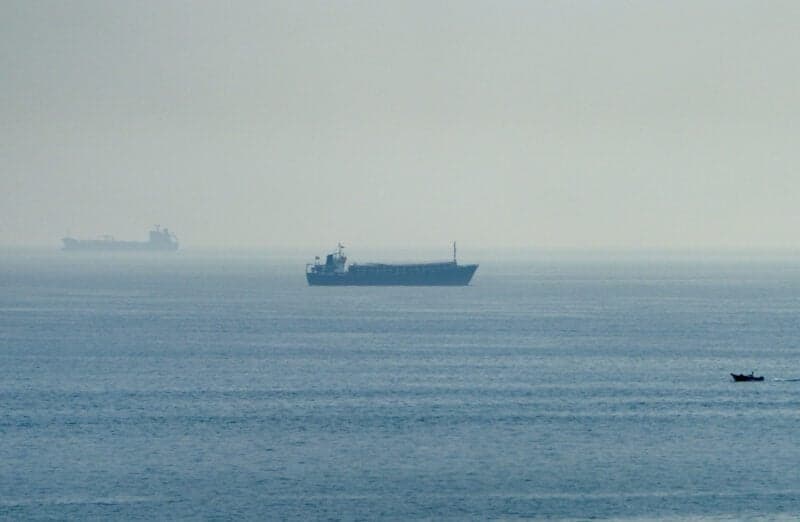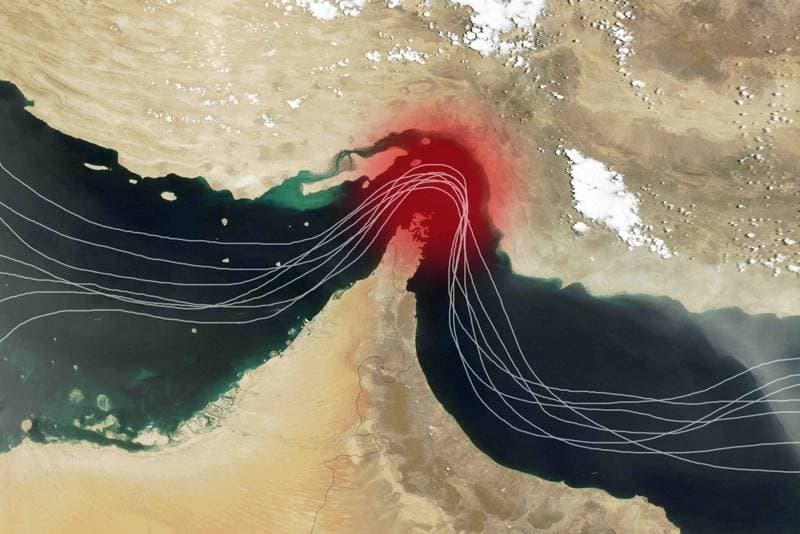
For the first time in recorded history, Iran has experienced a continuous seven-week period without substantial crude oil exports through the Strait of Hormuz. This cessation is attributed to a U.S. naval blockade, which has proven effective in disrupting one of Iran's main avenues for earning foreign currency. This development marks a significant escalation in pressure on Tehran, achieving a level of export disruption that years of international sanctions had not fully accomplished.
This prolonged halt in Iranian crude exports could have implications for global oil markets, potentially affecting supply dynamics and pricing, though the immediate impact on freight rates for other cargo types might be limited. For freight forwarders, while direct involvement with Iranian crude shipments is rare due to sanctions, the broader geopolitical tensions in the Middle East, particularly concerning the Strait of Hormuz, are a critical factor. Increased naval presence and potential for further incidents in this vital chokepoint could lead to higher war risk premiums for vessels transiting the region, affecting overall shipping costs and potentially causing delays for all types of cargo. Forwarders should monitor the situation closely for any ripple effects on insurance costs or routing advisories.