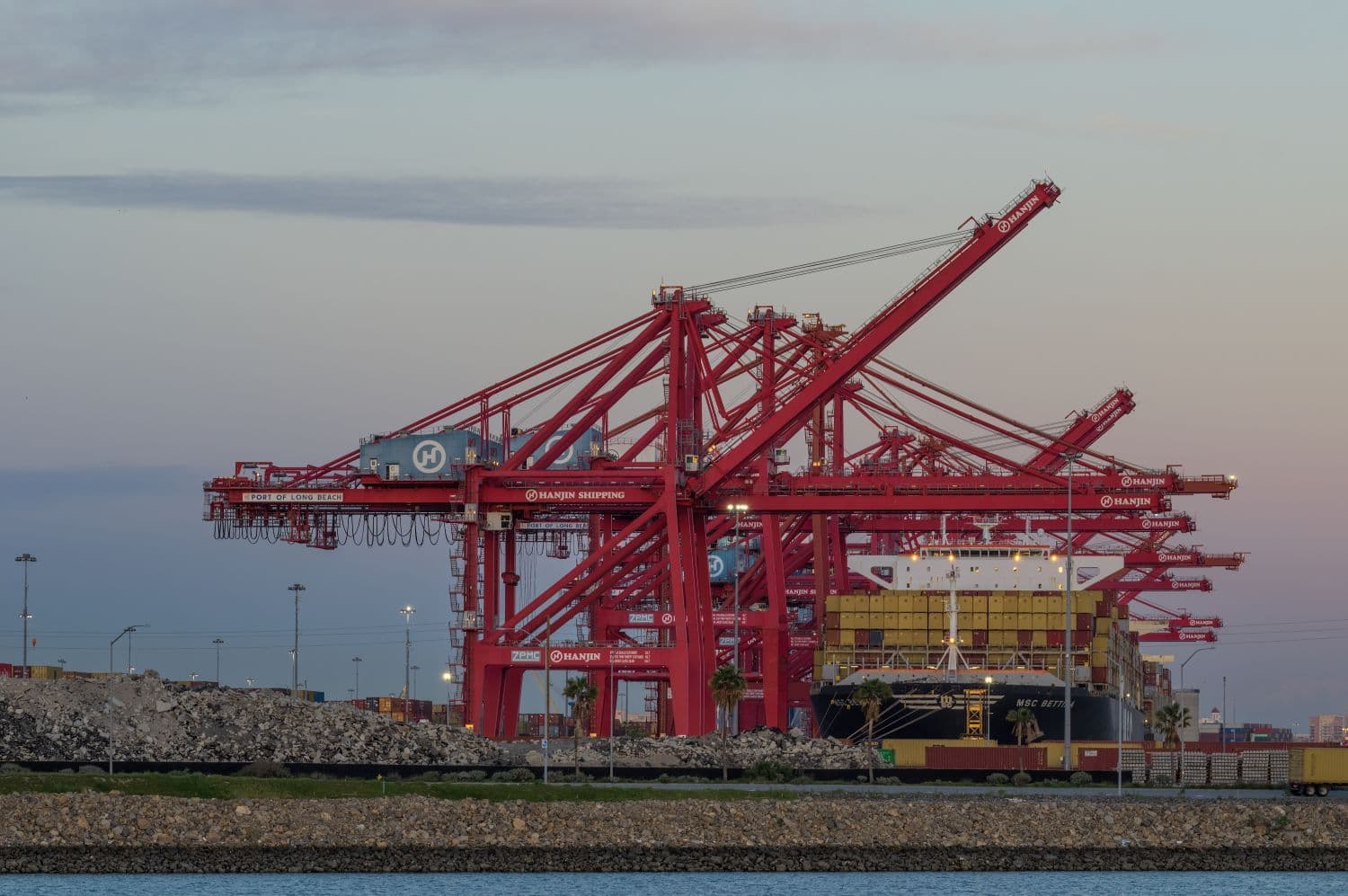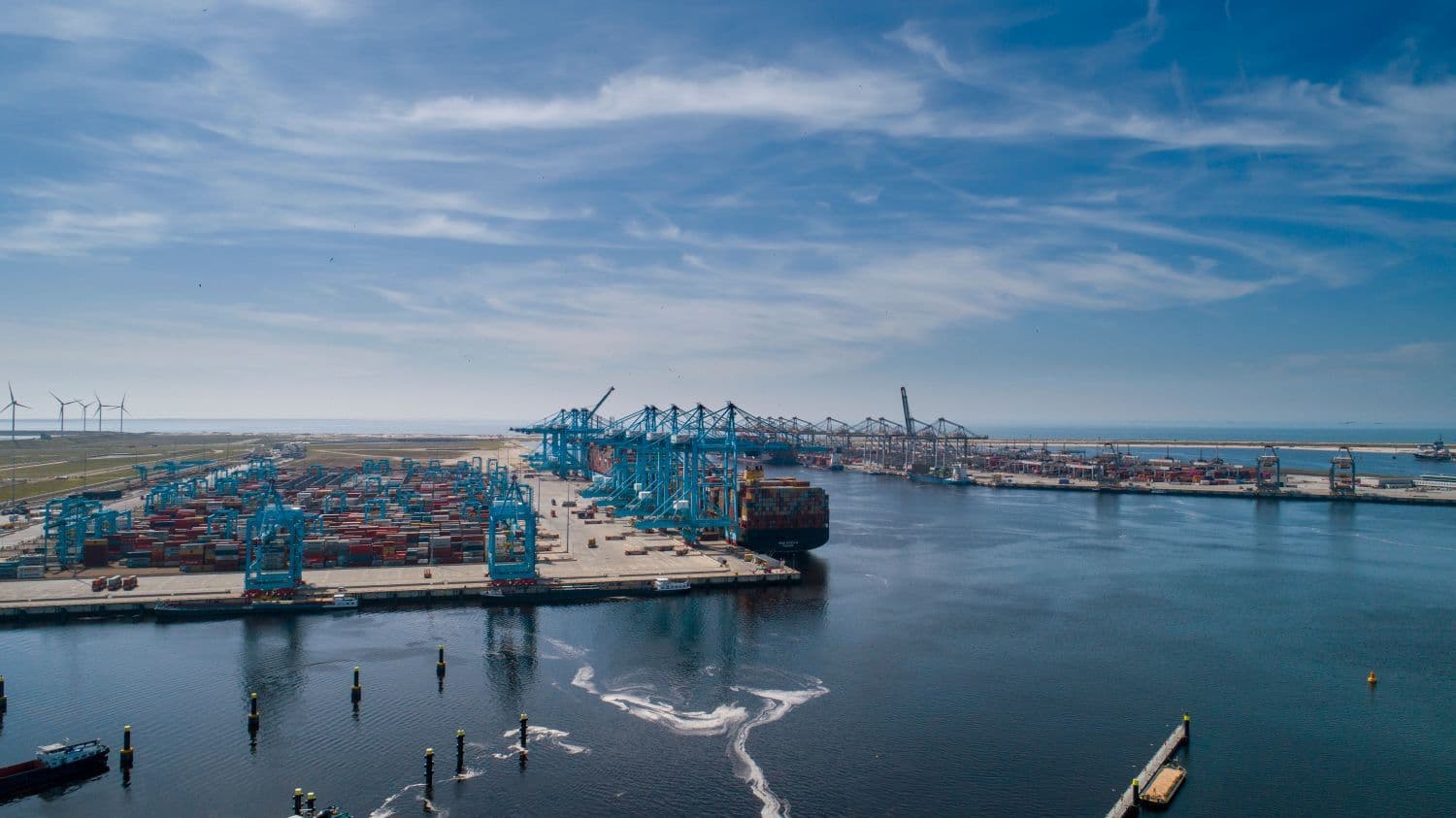
Ocean carriers are increasingly investing in port terminal ownership, a move driven by the desire to reduce operational costs and improve supply chain efficiency. This strategy allows carriers to exert greater control over vessel scheduling, cargo handling, and overall port operations, potentially mitigating delays and optimizing turnaround times. An industry analyst highlights that this acquisition spree is largely supported by the significant profits ocean carriers have accumulated in recent years.
For freight forwarders and shippers, this trend could have several implications. Increased carrier control over terminals might lead to more streamlined operations and potentially better schedule reliability on specific routes where carriers own the infrastructure. However, it could also result in reduced competition among terminal operators and potentially limit choices for forwarders regarding port services or preferred terminal partners. This vertical integration might also influence pricing structures and the availability of capacity, as carriers prioritize their own cargo and services. Forwarders may need to adapt their strategies to navigate a landscape where key port assets are increasingly tied to specific shipping lines.
The analyst cautions that the financial conditions enabling these large-scale investments may not persist indefinitely. The current cycle of high profitability, which provides the capital for such acquisitions, is subject to market fluctuations. Should freight rates decline or operational costs rise significantly, the impetus for further terminal acquisitions might diminish, and the long-term returns on these investments could face scrutiny.