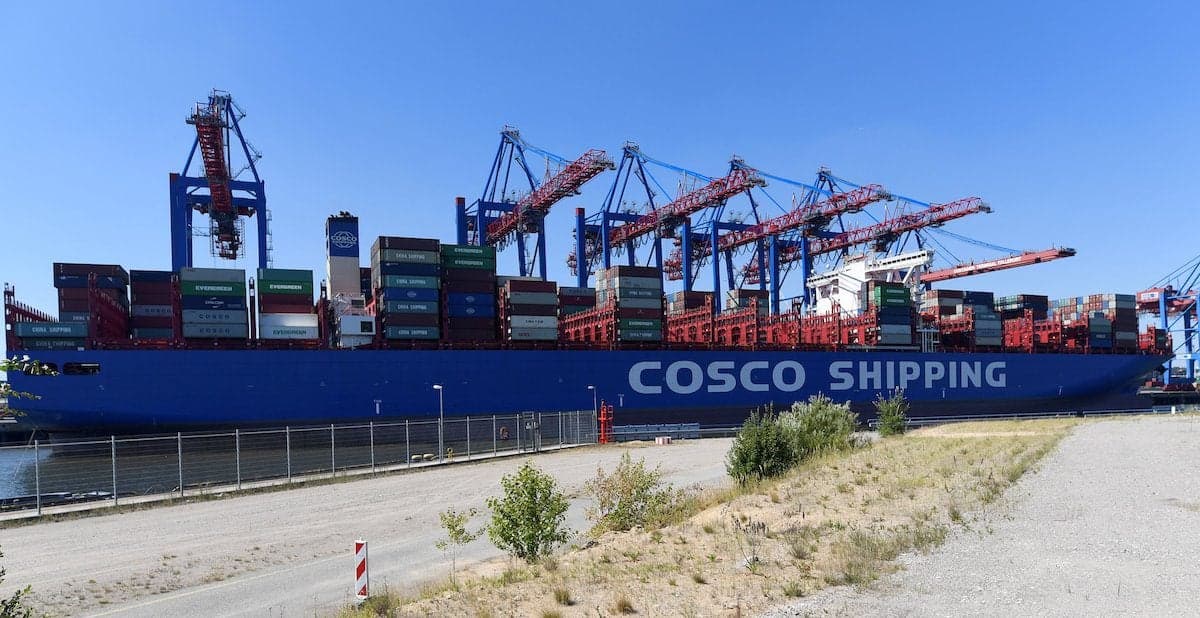
Reports indicate that COSCO, the Chinese state-owned shipping conglomerate, has been utilizing clandestine equipment aboard its fleet to monitor military communications. This surveillance is allegedly conducted near the coastal areas of countries deemed targets, with the United States specifically mentioned. The nature of the equipment and its operational scope remain undisclosed, but the implications point to a sophisticated intelligence-gathering operation.
This development underscores growing concerns among Western nations regarding potential espionage activities by state-affiliated entities. The use of commercial shipping vessels for such purposes blurs the lines between civilian commerce and national security interests, creating a complex challenge for maritime security and international relations.
For freight forwarders and shippers, this situation introduces an elevated risk perception, particularly for cargo moving on COSCO vessels or through ports with significant Chinese state presence. While direct operational impacts like rate changes or capacity shifts are not immediately apparent, the geopolitical tension could lead to increased scrutiny of vessels, potentially causing delays or heightened security checks in certain jurisdictions. Forwarders may need to consider the broader implications of geopolitical risk when advising clients on carrier selection and routing, especially for sensitive cargo or routes near military installations. This could also influence future regulatory actions or port policies aimed at enhancing maritime security.
Further details are expected to emerge as investigations by affected nations progress, which could lead to diplomatic repercussions or new security protocols for international shipping.