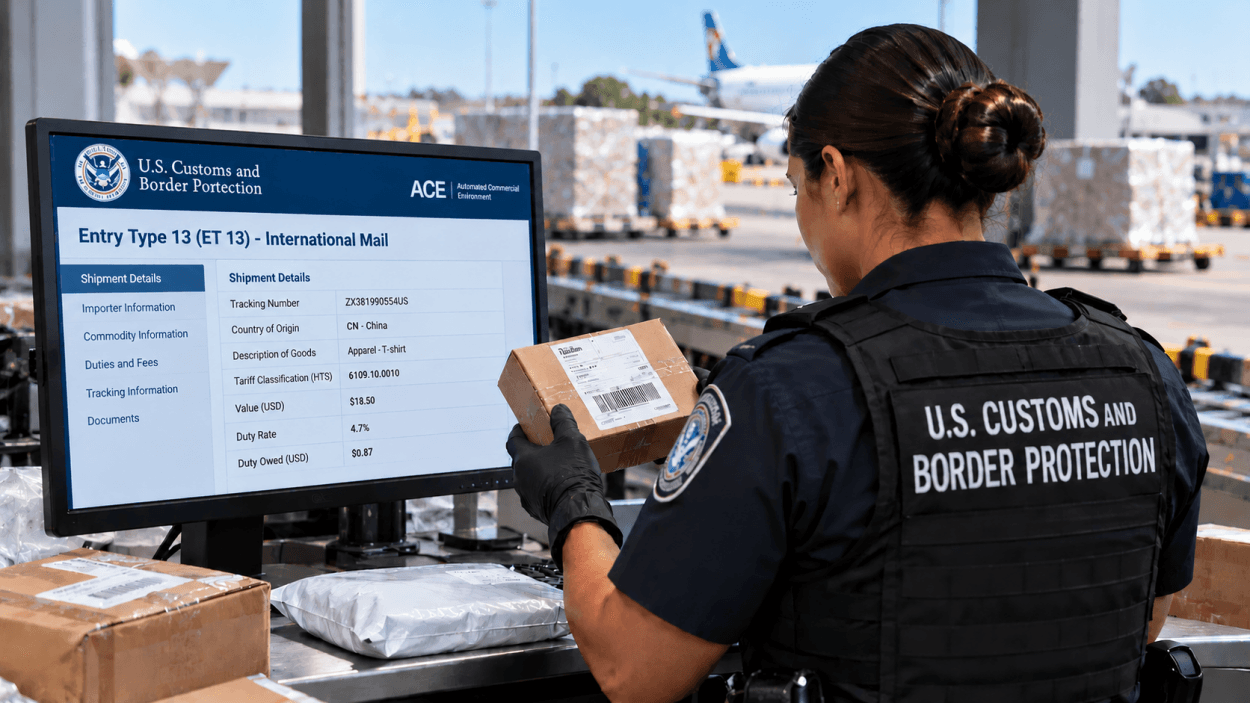
The United States Customs and Border Protection (CBP) is implementing new data requirements that extend to individual parcels, a move designed to strengthen customs enforcement. This reform is poised to introduce additional costs for smaller exporters and could fundamentally alter the landscape of e-commerce, logistics, and global trade supply chains.
Historically, customs processes for small parcels often involved aggregated data. The shift towards requiring detailed data for each individual parcel represents a significant change in compliance burden.
For freight forwarders and operations managers, this development means increased administrative overhead and potentially higher processing fees for small parcel shipments entering the US. Forwarders will need to adapt their systems to capture and transmit more granular data, which could lead to delays if not managed efficiently. Shippers, particularly those in the e-commerce sector dealing with numerous low-value shipments, may face rising operational costs and a need to re-evaluate their shipping strategies to the US. This could impact transit times and overall supply chain efficiency for these types of goods.