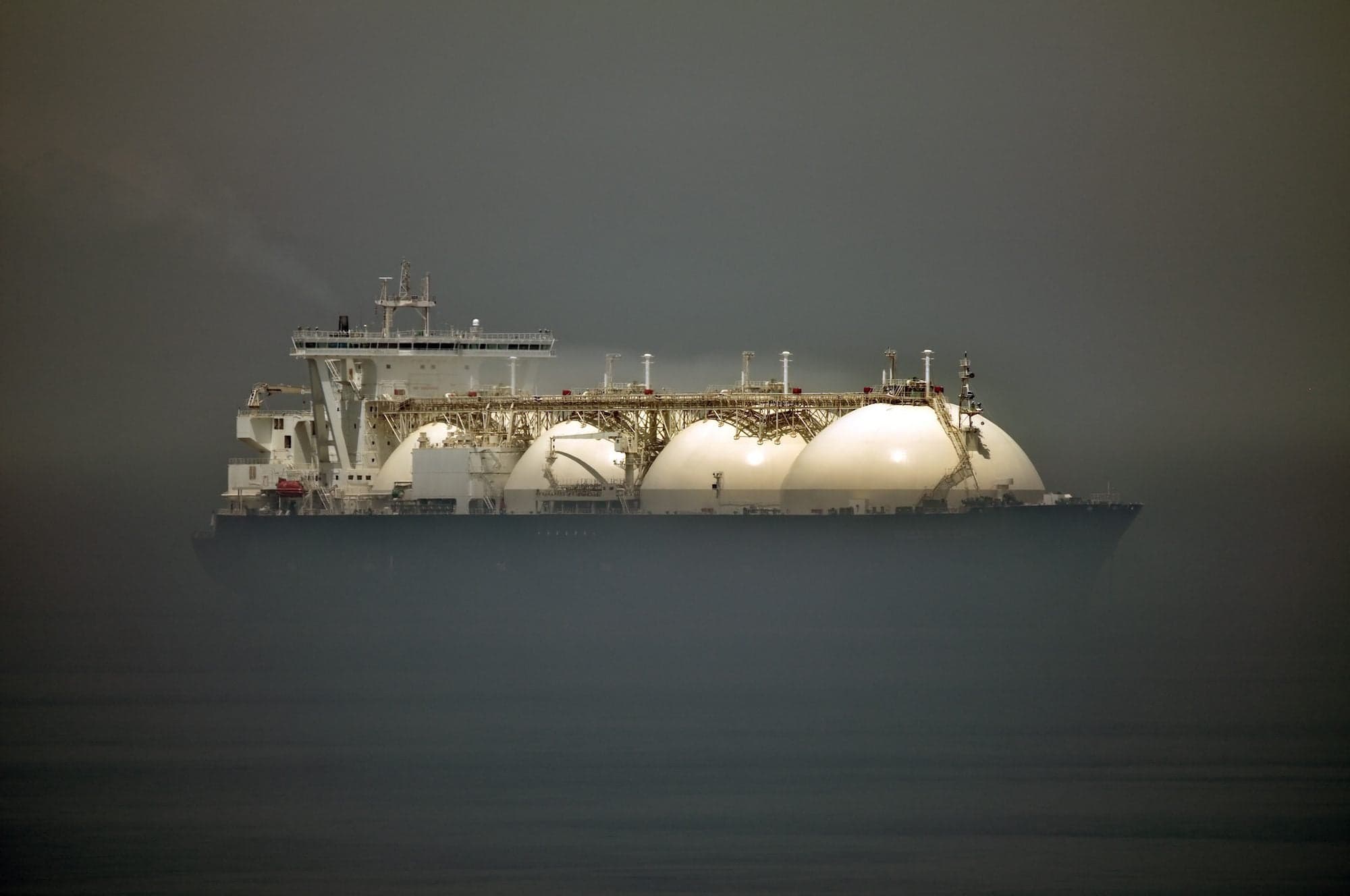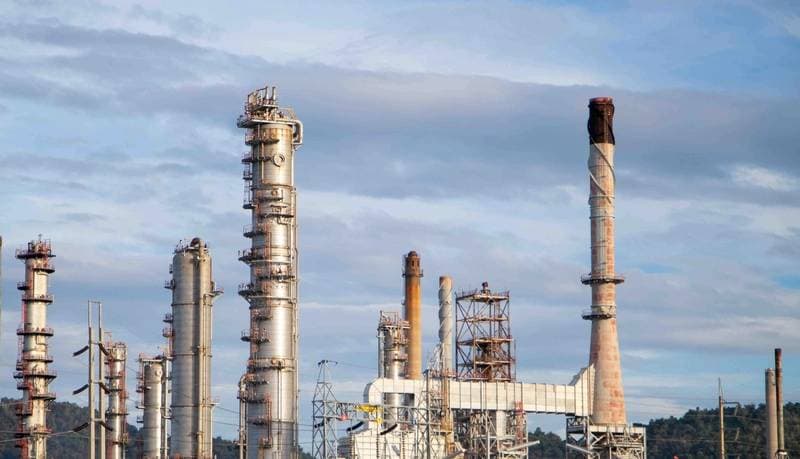
The United Arab Emirates and Kuwait have significantly ramped up their naphtha exports destined for Asia in recent months. This surge in supply is primarily achieved through ship-to-ship (STS) transfers, which are taking place beyond the geographical confines of the Strait of Hormuz. This operational adjustment allows for more efficient and potentially larger volume transfers, directly benefiting Asian petrochemical manufacturers by ensuring a steady and increased supply of crucial feedstock.
For freight forwarders and operations managers, this development indicates a potential increase in tanker demand on routes from the Middle East to Asia. The use of STS transfers outside the Strait of Hormuz could imply a strategic shift to optimize vessel utilization or bypass certain transit complexities, though the article does not specify the exact reasons. This might lead to changes in vessel scheduling and routing, and potentially impact charter rates for product tankers in the region. Forwarders should monitor tanker availability and pricing for naphtha shipments, particularly for clients in the petrochemical sector.