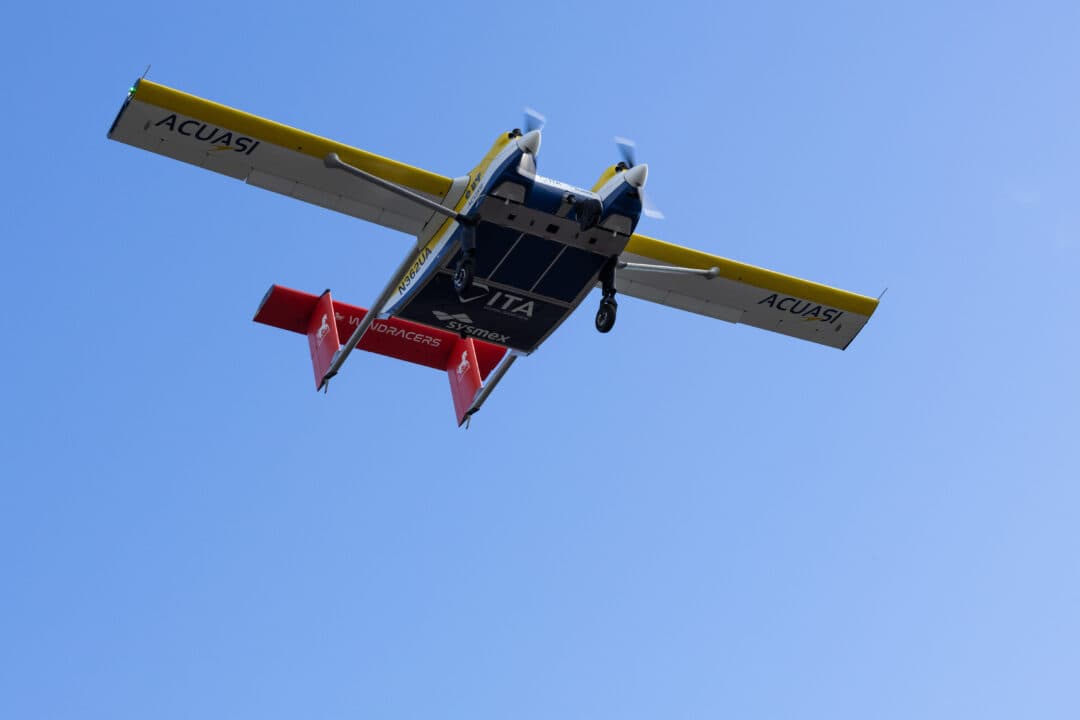
Windracers' ULTRA, an autonomous heavy-lift aircraft designed for dual use, recently finished a 1,000-kilometer flight. The primary objective of this mission was to evaluate the potential for transporting anti-doping blood samples over extended distances while ensuring their integrity. Researchers involved in the study believe that unmanned aerial vehicles (UAVs) are vital for logistics in hard-to-reach areas, citing regions such as Alaska as prime examples.
For freight forwarders and logistics operations managers, the successful completion of such a flight highlights the growing potential of autonomous air cargo solutions for specialized, time-critical, and remote deliveries. While not directly impacting general air freight rates or capacity in the short term, this development points towards future innovations that could open new routes for medical logistics, humanitarian aid, and other niche cargo requiring rapid and reliable transport to underserved locations. It suggests a future where traditional air cargo networks might be supplemented by autonomous systems for specific last-mile or challenging segments, potentially reducing reliance on conventional air infrastructure in certain scenarios.