Shipping industry leaders are projecting sustained strong earnings for the foreseeable future, yet they are simultaneously highlighting significant challenges that demand increased operational flexibility. Key concerns include ongoing geopolitical instability, persistent crewing pressures, and shifts in global trade flows.
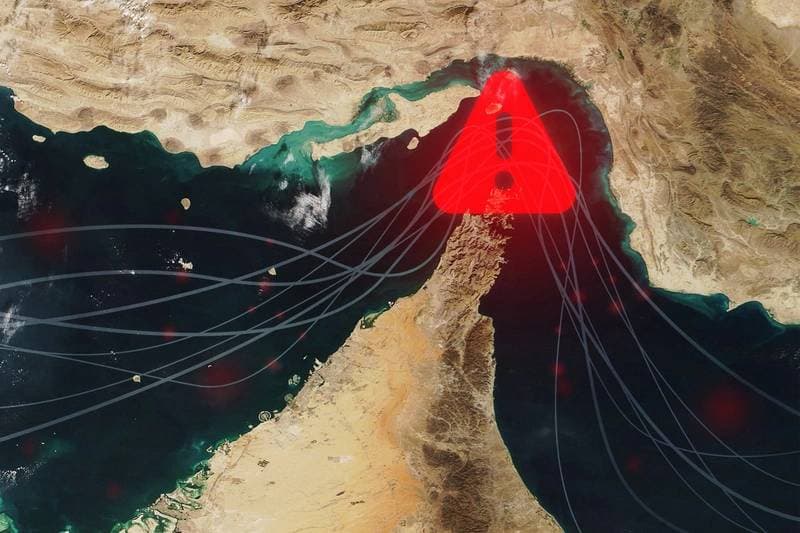
The current market environment is characterized by high volatility, largely driven by geopolitical events such as the Red Sea crisis. This situation is contributing to elevated freight rates and increased operational costs. Beyond immediate disruptions, the industry is also grappling with the long-term implications of new environmental regulations, such as the EU ETS, which add to compliance burdens and necessitate investment in sustainable practices. Furthermore, the need for continuous crew training and development is critical to address skill gaps and ensure smooth operations.
For freight forwarders and operations managers, this outlook suggests a continued need for agile supply chain planning. Expect ongoing rate fluctuations and potential capacity constraints due to geopolitical incidents and evolving trade patterns. The emphasis on crew availability and training indicates that labor costs and operational reliability could remain key factors. Forwarders should also be prepared for carriers to adjust surcharges and routing in response to geopolitical risks and regulatory changes, impacting transit times and overall logistics costs.