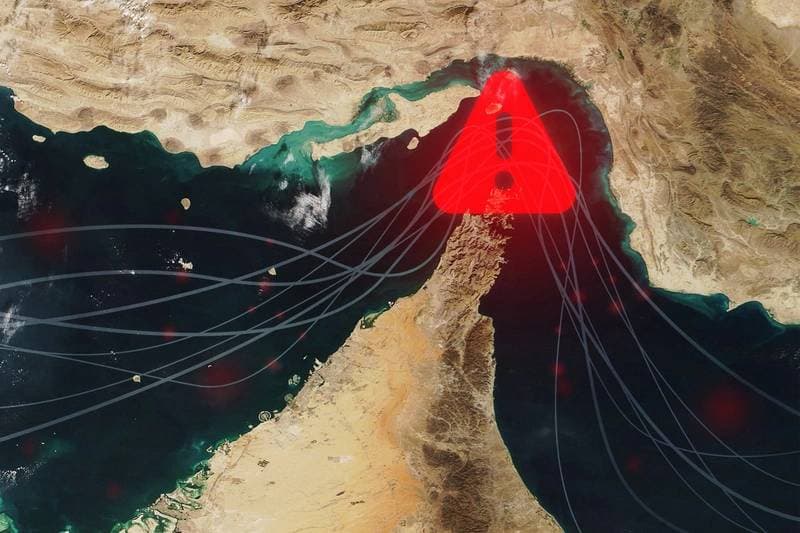
The transportation of small bunker and gasoline cargoes within the Persian Gulf region has increasingly shifted to road haulage in recent months. This trend is primarily motivated by companies seeking to bypass the inherent risks of traversing the Strait of Hormuz, a critical chokepoint. Additionally, using trucks allows for faster delivery times and helps businesses ensure a more stable cash flow by expediting the movement of goods.
This increased reliance on road transport for smaller oil parcels highlights a strategic adjustment by logistics and energy firms in response to geopolitical tensions and operational efficiencies. For freight forwarders and logistics managers, this means a potential increase in demand for specialized road transport services in the region, particularly for hazardous materials. It also underscores the ongoing need for flexible and multimodal solutions to circumvent maritime chokepoints and associated security challenges, impacting routing decisions and cost structures for regional distribution.
While the article does not specify future developments, the current trend suggests that as long as geopolitical uncertainties persist in the Strait of Hormuz, road transport will likely continue to be a preferred option for smaller, time-sensitive, and risk-averse shipments within the Persian Gulf.