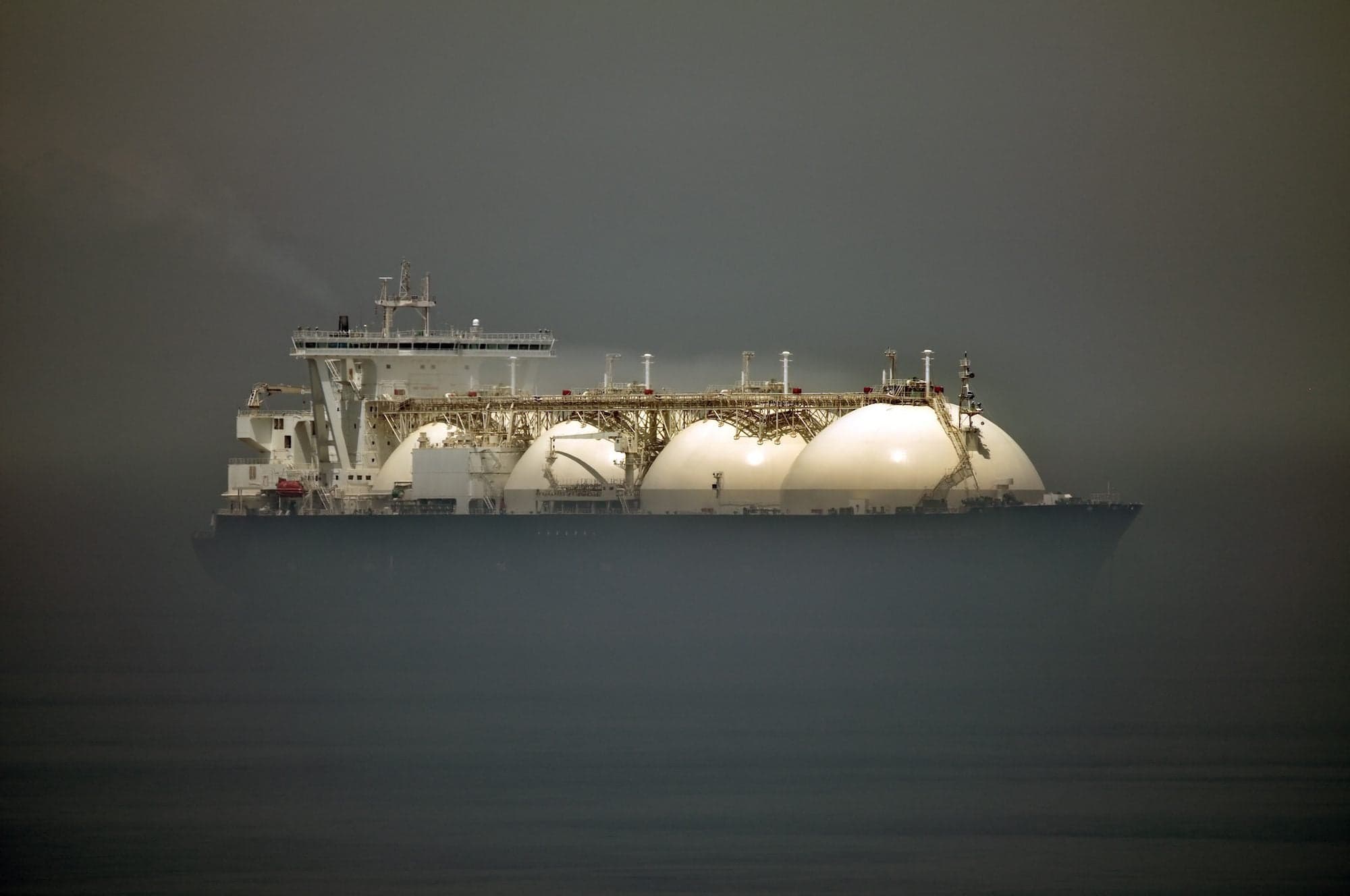
QatarEnergy has announced an extension of its force majeure notices, which will prevent the delivery of liquefied natural gas (LNG) cargoes to key customers, including Italian utility Edison and several clients in Asia. This action is a direct consequence of the continued closure of the Strait of Hormuz, a critical maritime chokepoint for energy shipments.
The Strait of Hormuz is a vital passage for a significant portion of the world's oil and gas, connecting the Persian Gulf to the open ocean. Its closure severely restricts the movement of vessels, including LNG tankers departing from Qatar, one of the world's largest LNG exporters. This ongoing disruption underscores the geopolitical sensitivities and operational risks associated with maritime trade routes in the Middle East.
For freight forwarders and shippers, this development signifies potential disruptions in energy supply chains, particularly for those involved in LNG procurement and distribution. The inability of QatarEnergy to fulfill contracts will necessitate alternative sourcing for affected clients, potentially leading to increased spot market prices for LNG and longer transit times if alternative routes are viable. This situation could also impact vessel scheduling and availability in the region, as LNG carriers face delays or diversions. Forwarders should monitor the situation closely for any updates on the Strait's status and advise clients on potential supply chain adjustments and cost implications.
The duration of the force majeure and the Strait of Hormuz closure remains uncertain. Further developments regarding the geopolitical situation in the region will dictate when normal shipping operations can resume.