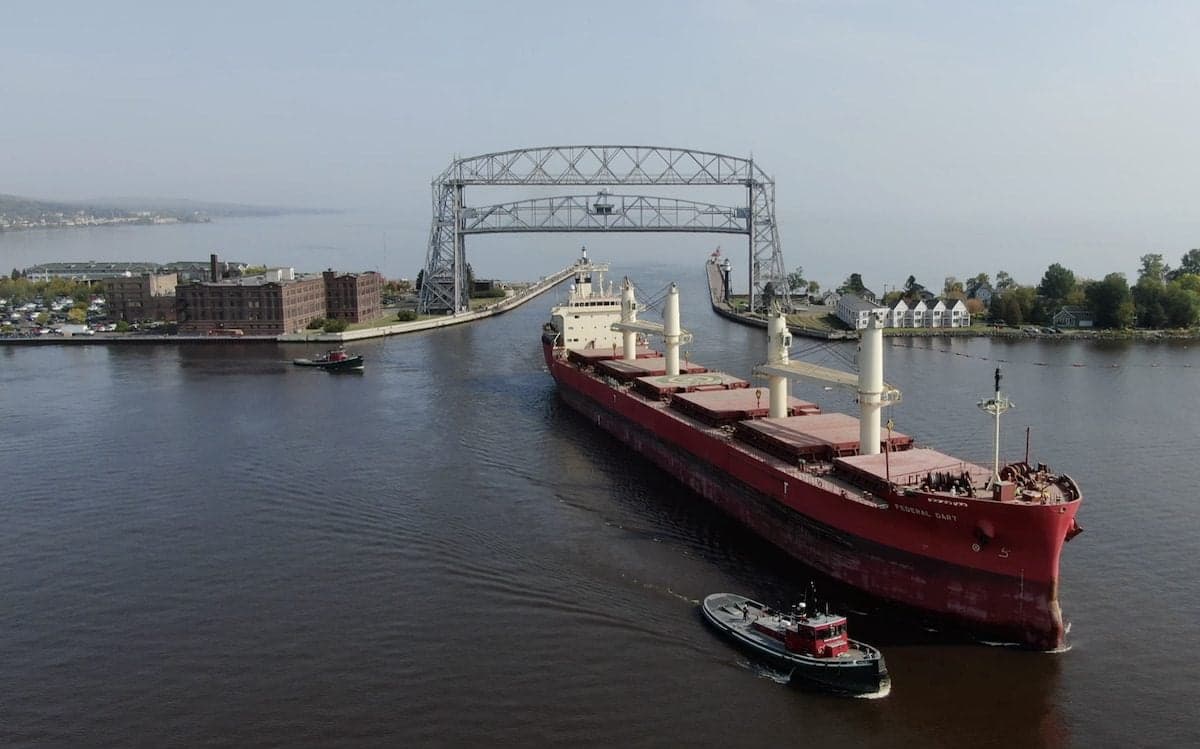
The potential imposition of new tariffs by the United States government is poised to create substantial disruption for shipping operations on the Great Lakes, especially affecting trade with Canada. These tariffs, if implemented, would target a range of goods, including iron ore, which forms a significant portion of the cargo moved by vessels like the *American Century* on this waterway. The economic repercussions could include increased operational costs for carriers and a potential decrease in the volume of goods transported, thereby impacting the profitability and viability of Great Lakes shipping routes.
For freight forwarders and operations managers, these tariffs would likely translate into higher landed costs for goods moving between the US and Canada via the Great Lakes. This could necessitate a re-evaluation of current supply chain strategies, potentially leading to increased transit times or a shift to alternative, more expensive transport modes if the cost burden becomes too high. Forwarders would need to closely monitor the final scope and implementation date of any new tariffs to adjust pricing, advise clients, and manage customs compliance effectively. Capacity on Great Lakes routes might also see fluctuations as carriers adapt to changing demand and cost structures.
While the article does not specify the exact nature or timing of these proposed tariffs, the discussion highlights a growing concern within the shipping industry regarding protectionist trade policies. The Great Lakes region relies heavily on this cross-border trade for economic stability, and any disruption could have ripple effects on various industries dependent on the efficient movement of raw materials and finished goods.