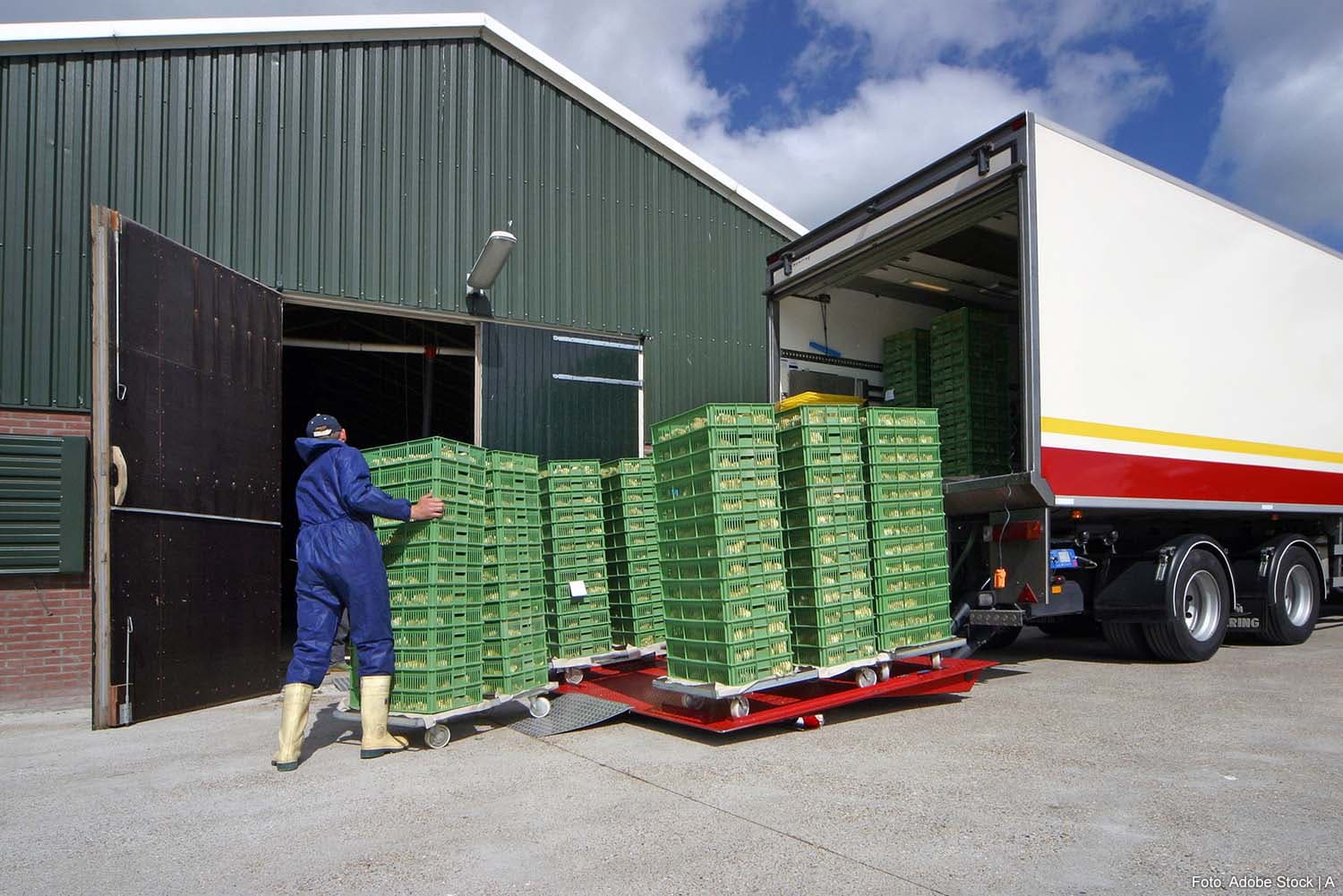
The Dutch Trade and Industry Appeals Tribunal (CBb) has determined that poultry farmers bear significant responsibility for the welfare of chicks during transportation, and cannot entirely delegate this to the catching crew, slaughterhouse, or truck driver. This ruling, detailed in two recently published judgments, clarifies the legal obligations surrounding animal transport regulations.
This decision underscores that the duty of care for livestock extends beyond the farm gate, requiring farmers to ensure that conditions during transit meet welfare standards. The court's stance highlights the complexities of multi-party logistics in the agricultural sector, where responsibilities can become fragmented.
For freight forwarders and logistics operators involved in animal transport, this ruling implies a need for clearer contractual agreements and robust protocols with farming clients. It reinforces the importance of transparent communication regarding animal welfare standards and potential liabilities. While the direct responsibility is placed on the farmer, hauliers may face increased scrutiny regarding their adherence to transport regulations, as farmers will likely seek to mitigate their own risks by demanding higher compliance from their transport partners. This could lead to more stringent checks on vehicle conditions, journey planning, and handling procedures.
The judgments are expected to influence future practices in the Dutch livestock transport sector, potentially leading to revised guidelines or industry best practices to ensure all parties involved in the supply chain uphold animal welfare standards.