MSC is reportedly achieving premium freight rates on the trans-Atlantic shipping route, a success attributed to its strategic flexibility in port calls and dynamic capacity management. This insight comes from the rate benchmarking platform Xeneta, which analyzed market trends and carrier performance.
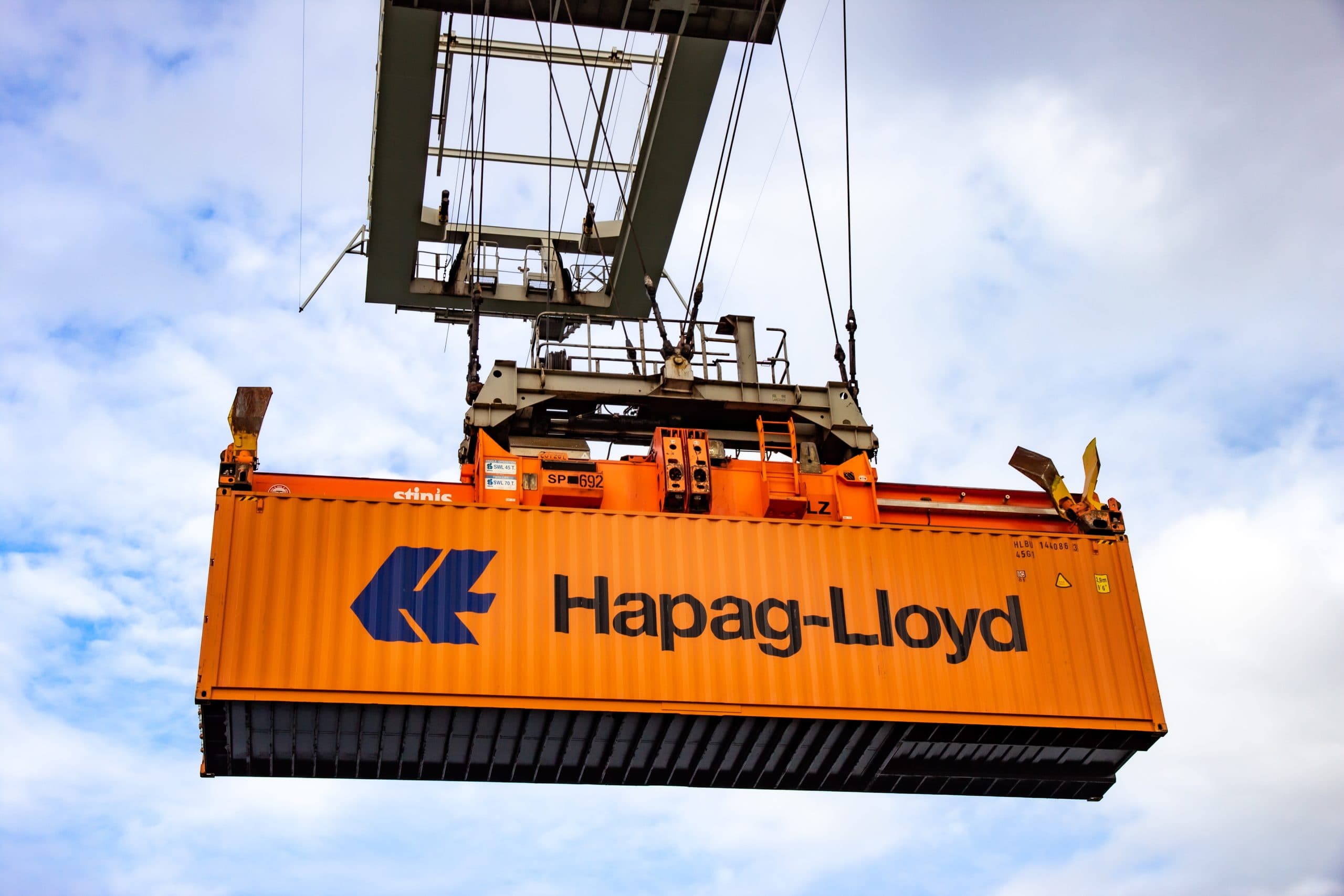
In contrast, the newly formed Gemini Cooperation, comprising Maersk and Hapag-Lloyd, is experiencing average rates that are below the market standard, despite its reported higher schedule reliability. This divergence suggests that factors beyond punctuality, such as the ability to quickly adjust to market demand and optimize vessel utilization, are significant drivers of pricing power.
For freight forwarders and operations managers, this indicates that carriers with agile deployment strategies, like MSC, may offer less predictable pricing but potentially more options for urgent or specific cargo needs. Conversely, while the Gemini Cooperation promises greater reliability, forwarders might find more competitive pricing opportunities with its services. Understanding these carrier-specific strategies is crucial for optimizing routing decisions and managing costs on the trans-Atlantic lane, as it highlights a trade-off between schedule integrity and pricing flexibility.