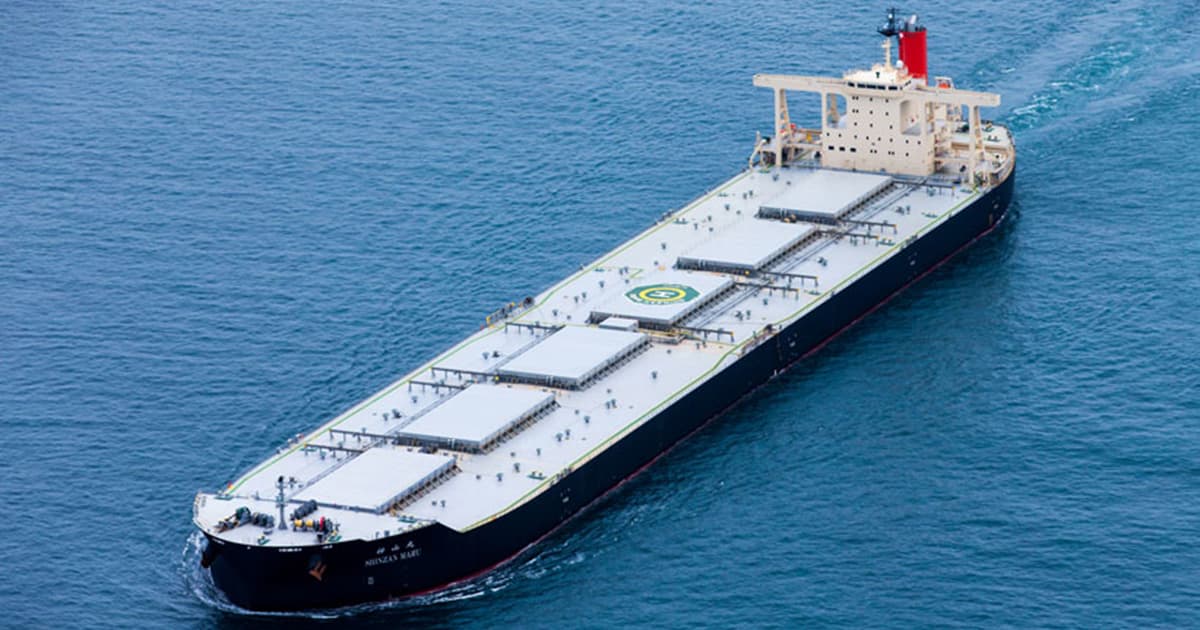
Mitsui O.S.K. Lines (MOL) is reportedly planning to sell some of its older oil tankers, a move influenced by a substantial rise in vessel prices. This surge in asset values is directly linked to ongoing geopolitical conflicts, specifically in the Middle East and Ukraine, which have significantly impacted global shipping dynamics.
These conflicts have led to considerable disruptions in established trade routes, forcing carriers to re-evaluate vessel deployments and leading to longer transit times. Consequently, this has tightened overall shipping capacity in the market, creating a more competitive environment for available vessels. The reduced capacity, combined with increased demand for alternative routes, has resulted in a notable increase in freight rates across various maritime segments.
For freight forwarders and shippers, this development signals a potentially tighter market for tanker capacity, which could indirectly affect other shipping sectors by drawing vessels or investment away. The higher vessel prices also indicate increased operational costs for carriers, which may translate into elevated charter rates or freight charges for cargo owners. Forwarders should anticipate continued volatility in shipping costs and potentially longer lead times for certain routes as the market adjusts to these geopolitical pressures and asset value shifts.