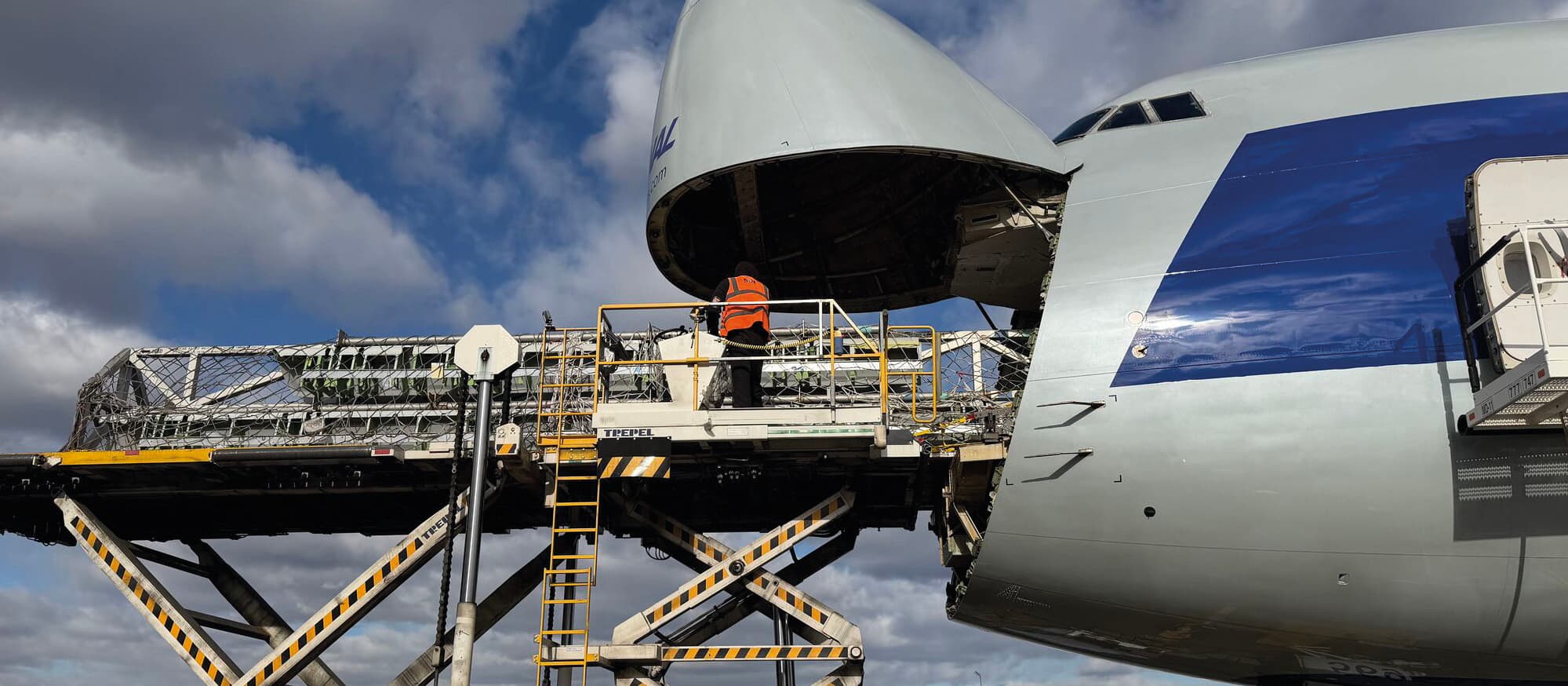
Mid-sized air cargo operators are strategically reorienting their business models from a volume-centric approach to a corridor-led, high-yield growth strategy. This shift involves concentrating on specialized freight segments such as pharmaceuticals and technology-sensitive goods, where reliability and agility are paramount over sheer global scale.
This recalibration is significantly supported by advancements in digitalization. Improved digital tools are enabling these operators to enhance visibility, consistency, and responsiveness across their operations, thereby narrowing the competitive gap with larger, more established integrators. The adoption of artificial intelligence (AI) and predictive orchestration technologies is fundamentally transforming cargo operations, allowing for more efficient handling and optimized logistics processes.
For freight forwarders and ops managers, this trend indicates a potential increase in specialized air cargo services with enhanced reliability for sensitive shipments. It suggests that mid-sized carriers will offer more tailored solutions for high-value goods, potentially leading to more consistent service levels and better visibility on specific trade lanes. Forwarders might find these carriers more competitive for niche markets requiring precise handling and expedited delivery, rather than general cargo on broad global routes. This could influence carrier selection for specific commodities, emphasizing service quality over pure capacity.