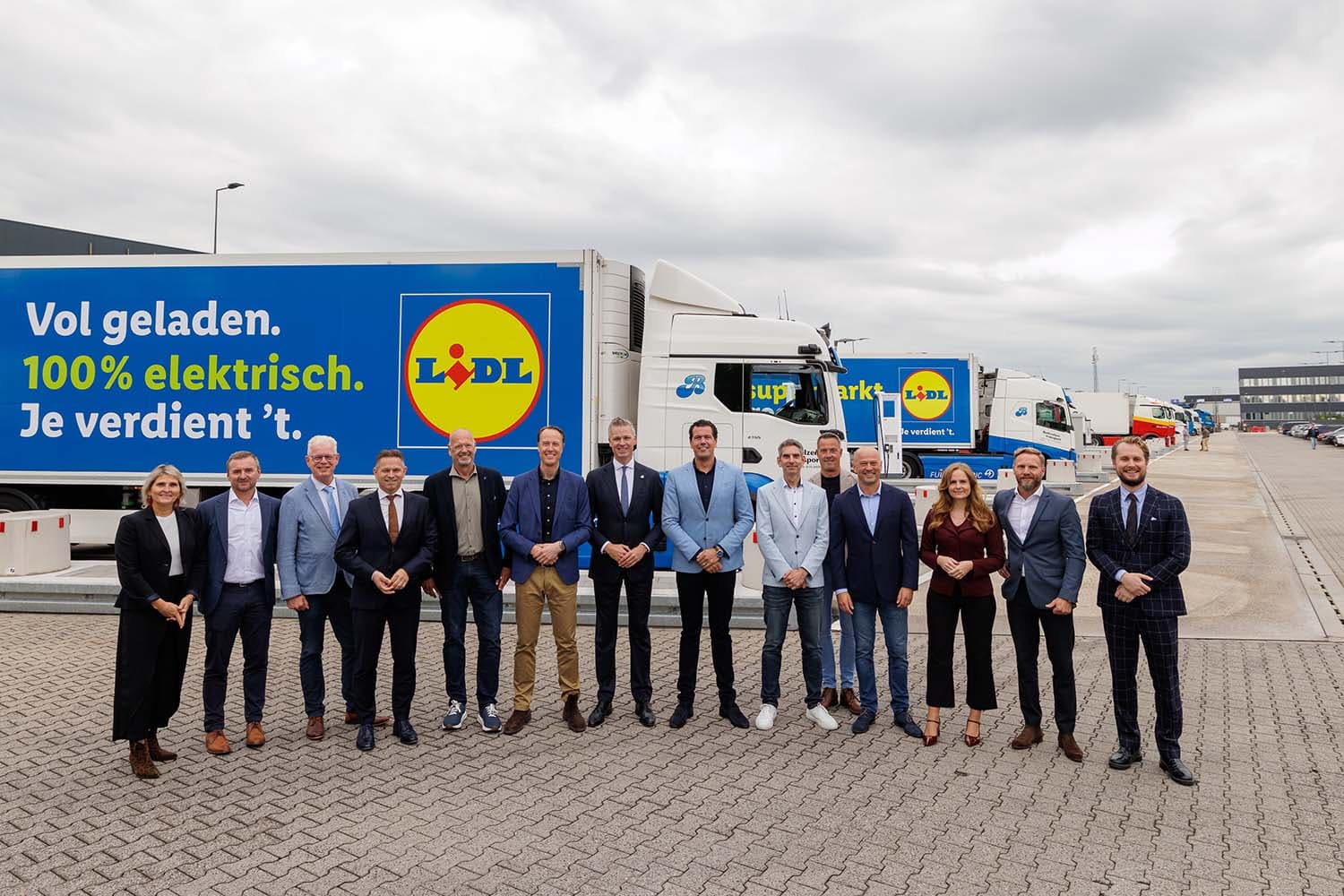
Lidl Netherlands has activated its sixth rapid charging facility for electric trucks, located at its distribution center in Waddinxveen. This development means that all of the supermarket chain's regional distribution centers are now equipped with dedicated charging infrastructure for their electric vehicle fleet. The company has set an ambitious target to transition all its Dutch store deliveries to a fully electric and emission-free model by 2027.
For freight forwarders and logistics operators, this initiative by a major retailer like Lidl signals a growing trend towards sustainable logistics and electrification in last-mile and regional distribution. As more shippers commit to zero-emission targets, demand for electric trucking services and associated charging infrastructure will increase. Forwarders operating in the Netherlands, especially those handling retail distribution, may need to invest in electric vehicles or partner with carriers that have such capabilities to meet evolving client requirements. The availability of these charging stations to other transport companies could also alleviate some infrastructure concerns for smaller carriers looking to electrify their fleets, potentially fostering a broader shift in the market.
This move aligns with broader sustainability goals within the logistics sector, driven by both corporate responsibility and impending environmental regulations. The opening of these charging hubs not only supports Lidl's internal fleet but also contributes to the wider electric vehicle ecosystem in the Netherlands, potentially influencing other retailers and logistics providers to accelerate their own electrification plans.