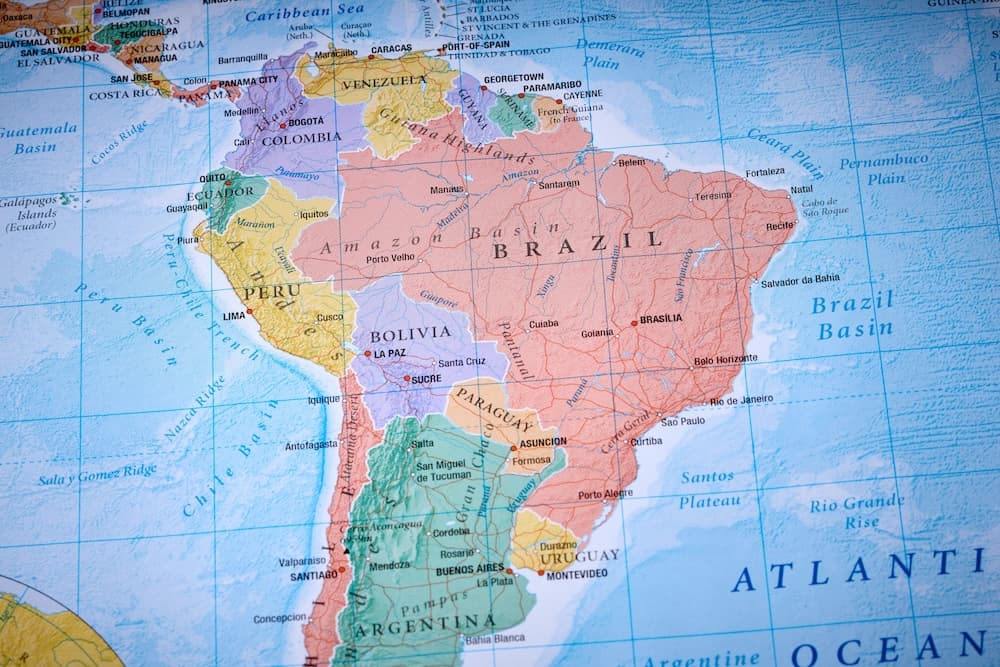
The air cargo market in Latin America is demonstrating relative stability amidst ongoing global disruptions, including increased fuel expenses and capacity constraints. This resilience is largely attributed to the region's significant exports of air-dependent commodities such as flowers, fresh produce, and seafood, which have limited alternative transport options when air capacity becomes tight.
While other global trade lanes face challenges from geopolitical events, Latin America's key air corridors connecting to North America and Europe have remained relatively insulated. This allows for more predictable operations and pricing compared to routes impacted by airspace restrictions or hub congestion.
For freight forwarders and shippers, this stability in Latin America presents a strategic advantage. It suggests more reliable capacity and potentially less volatile rates for perishable goods originating from the region, making it a comparatively safer bet for time-sensitive cargo. Forwarders should monitor these lanes for continued stability and potential opportunities to optimize routing and pricing for clients with Latin American exports.